
Why Stable Ad Accounts Beat Aggressive Scaling
Stable ad accounts keep signals clean, control CPA, and reduce volatility. Learn execution rules for budgets, creative tests, and scaling constraints.
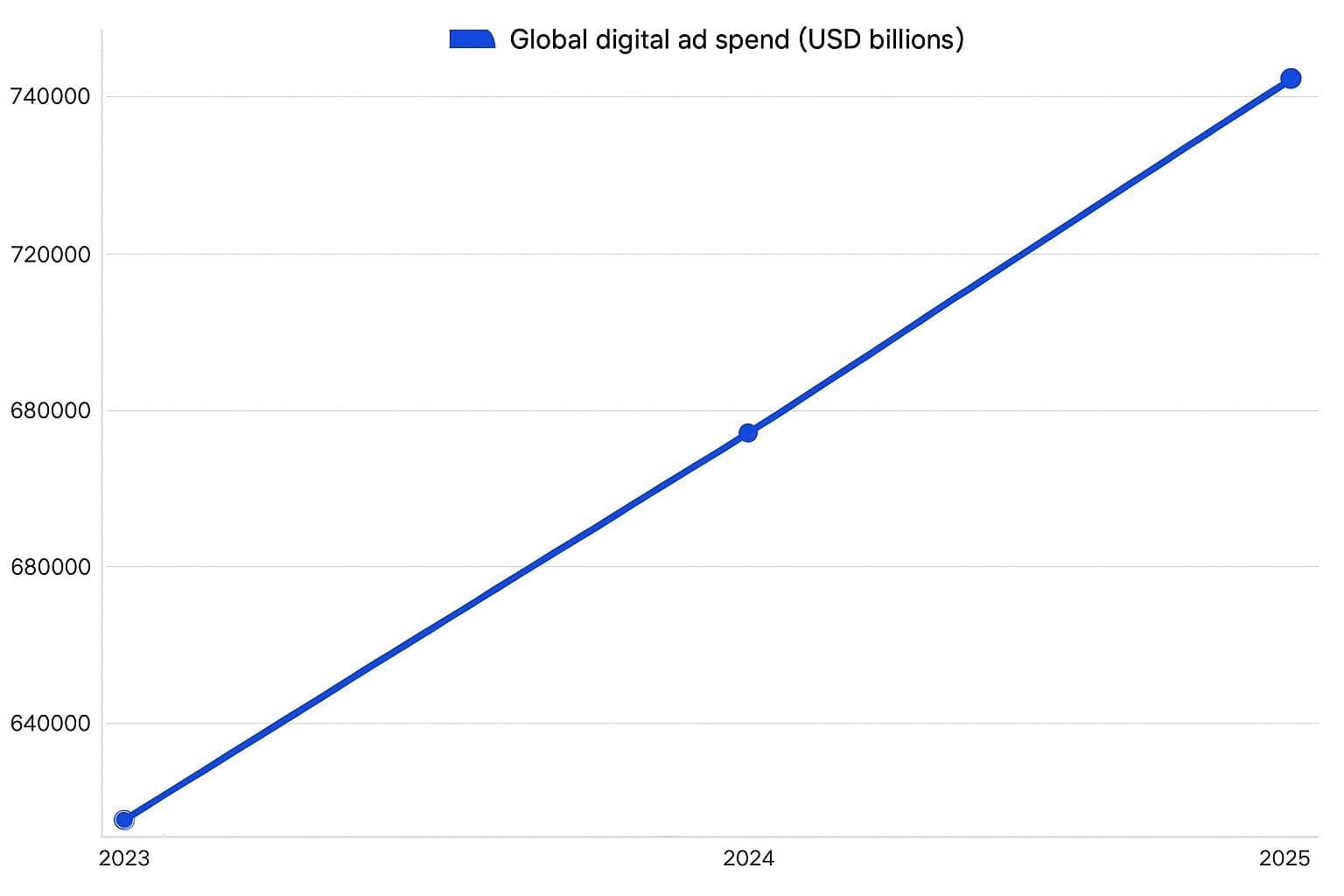
Aggressive scaling can push volume fast, but in paid media it usually trades short term spend for long term fragility. Big budget spikes, targeting swings, and rapid creative swaps read as volatility. That increases delivery uncertainty and makes performance harder to control.
Stable ad accounts beat aggressive scaling because they keep signals clean, preserve learning continuity, and reduce the odds of risk or policy flags. Stability is not slow. It is scaling without breaking trust, data quality, and conversion feedback loops.
If you want durable acquisition and reliable ROAS, the lever is not a hack. It is building a stable operating system for the account: controlled change, clean measurement, and repeatable decision rules.
Stability is an algorithm advantage, not just a safety choice
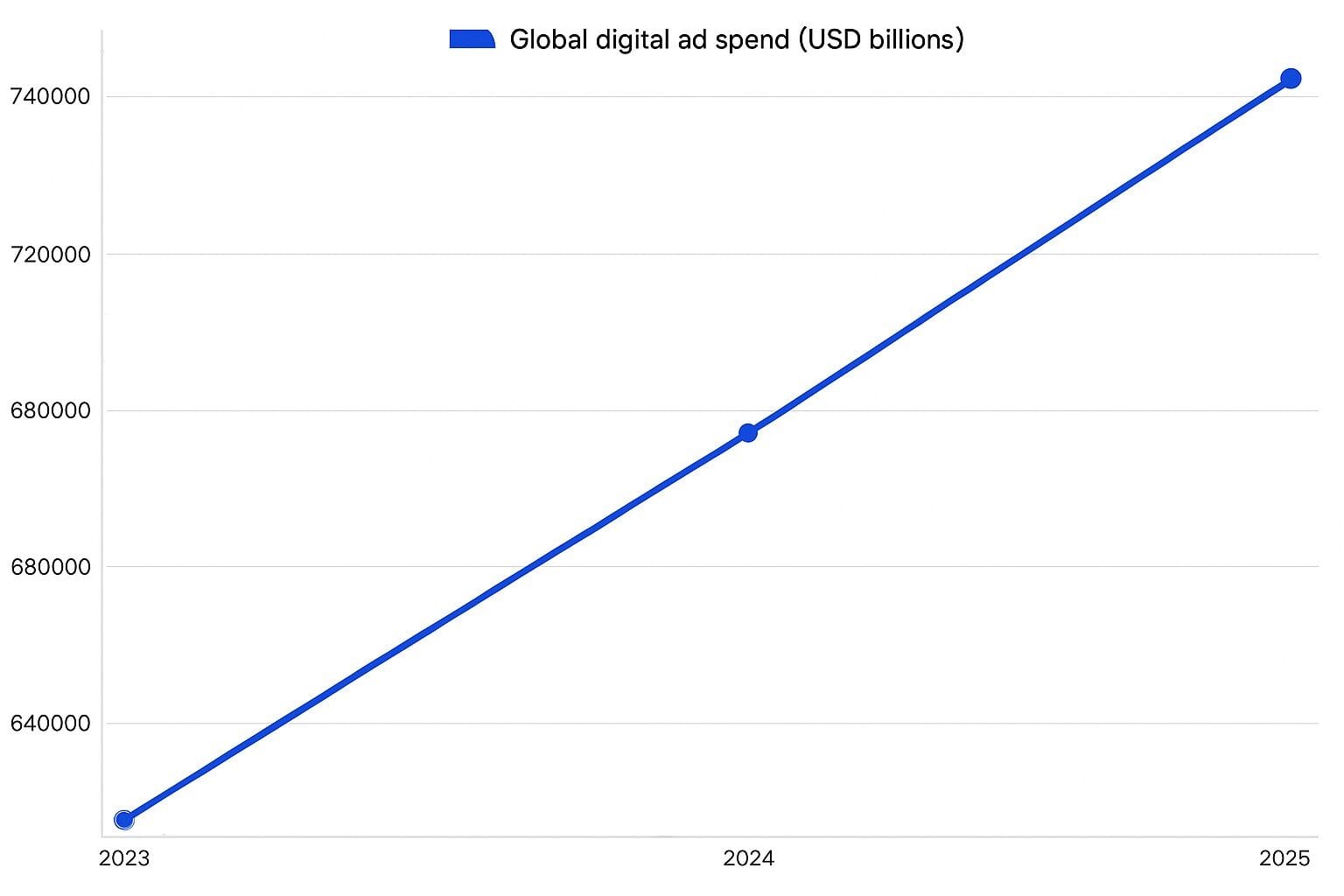
Platforms optimize off patterns. Stable accounts feed consistent inputs: conversion events fire cleanly, budgets move in controlled steps, and audiences are tested with discipline. That consistency reduces signal decay and helps the system hold onto profitable pockets instead of constantly re exploring.
Aggressive scaling usually changes too many variables at once. If you raise budget 300%, swap creative, broaden targeting, and change the optimization event in the same week, you lose attribution clarity. More importantly, you create signal noise that can reset learning and force inefficient exploration.
Stable accounts compound because conversion history accumulates without constant resets. The platform gains confidence in who converts, when to serve, and what bids clear efficiently. That confidence is what makes volume stability possible as spend grows.
How stable scaling works in the real world
Stable scaling is a process: you grow spend while protecting data quality and preserving cause and effect. The goal is controlled experimentation with a testing velocity the account can absorb.
A practical stability checklist before you scale
- Lock measurement first: confirm your primary conversion event is firing accurately and consistently, because scaling magnifies any tracking gaps and attribution noise.
- Change one major variable at a time: adjust budget, creative, or targeting in isolation so you can attribute movement and avoid learning resets.
- Use incremental budget increases: raise budgets in steps the account can absorb, keeping delivery predictable and reducing auction volatility.
- Protect winning segments: keep a dedicated structure for proven audiences and creatives so tests do not cannibalize baseline performance.
- Set guardrails for CPA or ROAS: define thresholds that trigger pauses, rollbacks, or budget holds, so decisions stay rule based under pressure.
To judge stability, focus on week level trends, not daily noise. Monitor week over week efficiency such as CPA, ROAS, or contribution margin alongside delivery health such as frequency, CPM, and impression share. If efficiency slides while delivery gets erratic, you are scaling faster than your signals can support.
Risks and mistakes that make aggressive scaling backfire
The fastest way to lose momentum is treating scaling as one lever. When accounts get unstable, you will see rising costs, inconsistent conversion volume, and longer recovery time after a bad week. In severe cases, erratic behavior increases the chance of reviews, restrictions, or payment risk actions depending on the platform.
Avoid these common pitfalls:
- Budget shocks: large jumps push the system into broad exploration, spending into lower intent inventory before efficiency returns.
- Creative churn: rotating too many new ads at once dilutes spend, blocks winners from building data, and accelerates creative fatigue.
- Moving the goalposts: changing optimization events or attribution windows mid flight disrupts learning and makes reporting unreliable.
- Audience over expansion: broadening targeting before you have strong creative message fit can spike CPMs and compress CVR.
- Ignoring account health: payment failures, inconsistent domain verification, or policy edge cases become hidden constraints that cap spend when you need it most.
Build a rollback plan before you push. Decide what happens if CPA rises by a defined percentage for a full week: revert the last budget increase, restore the prior creative mix, or reallocate budget back to the most stable ad set. This prevents panic edits that compound volatility.
Advanced ways to scale while staying stable
Once the foundation is stable, you can scale harder without chaos by widening capacity on purpose. That means improving conversion quality, increasing creative volume with structure, and adding redundancy so one failure does not take down the account.
Use these advanced, stability first levers:
- Segment by intent: separate high intent retargeting from prospecting so efficiency stays interpretable and budgets do not cannibalize.
- Scale via creative, not just budget: expand reach and CVR by launching new angles and formats while keeping proven winners live.
- Improve conversion signal quality: tighten landing speed, offer clarity, and after the click experience so each dollar sends stronger feedback.
- Use spend caps and pacing rules: limit how quickly budgets can rise across the account to keep daily volatility low.
- Track blended outcomes: pair platform ROAS with incrementality aware indicators like new customer rate or contribution margin to avoid scaling campaigns that only shift demand.
Set a testing cadence that cannot threaten core revenue. Allocate a fixed percentage of spend to experiments and keep the remainder in stable campaigns. That keeps iteration cycles moving without breaking the baseline.
Diagnose scaling ceilings by separating auction pressure from conversion issues. If CPM rises while CTR and CVR hold, you are hitting supply limits and need new audiences or geos. If CTR drops and CVR drops, your creative or offer is failing at scale and needs iteration before more budget goes in.
Stable ad accounts beat aggressive scaling because they protect algorithm confidence, keep learning intact, and keep optimization decisions measurable. Stability makes growth repeatable: cleaner signals, clearer tests, and fewer self inflicted setbacks.
When you scale with disciplined change, you can expand spend while keeping CPA control tight, volume stability high, account health strong, and reporting trustworthy. That is how performance compounds instead of resetting.
If you want a stability first scaling plan tailored to your account structure, tracking setup, and growth targets, Contact us