
Why Most Ad Accounts Fail Before They Can Scale
Media buyers: fix scaling constraints before raising spend. Tighten conversion signals, reduce attribution noise, manage creative fatigue, and stabilize CPA control.
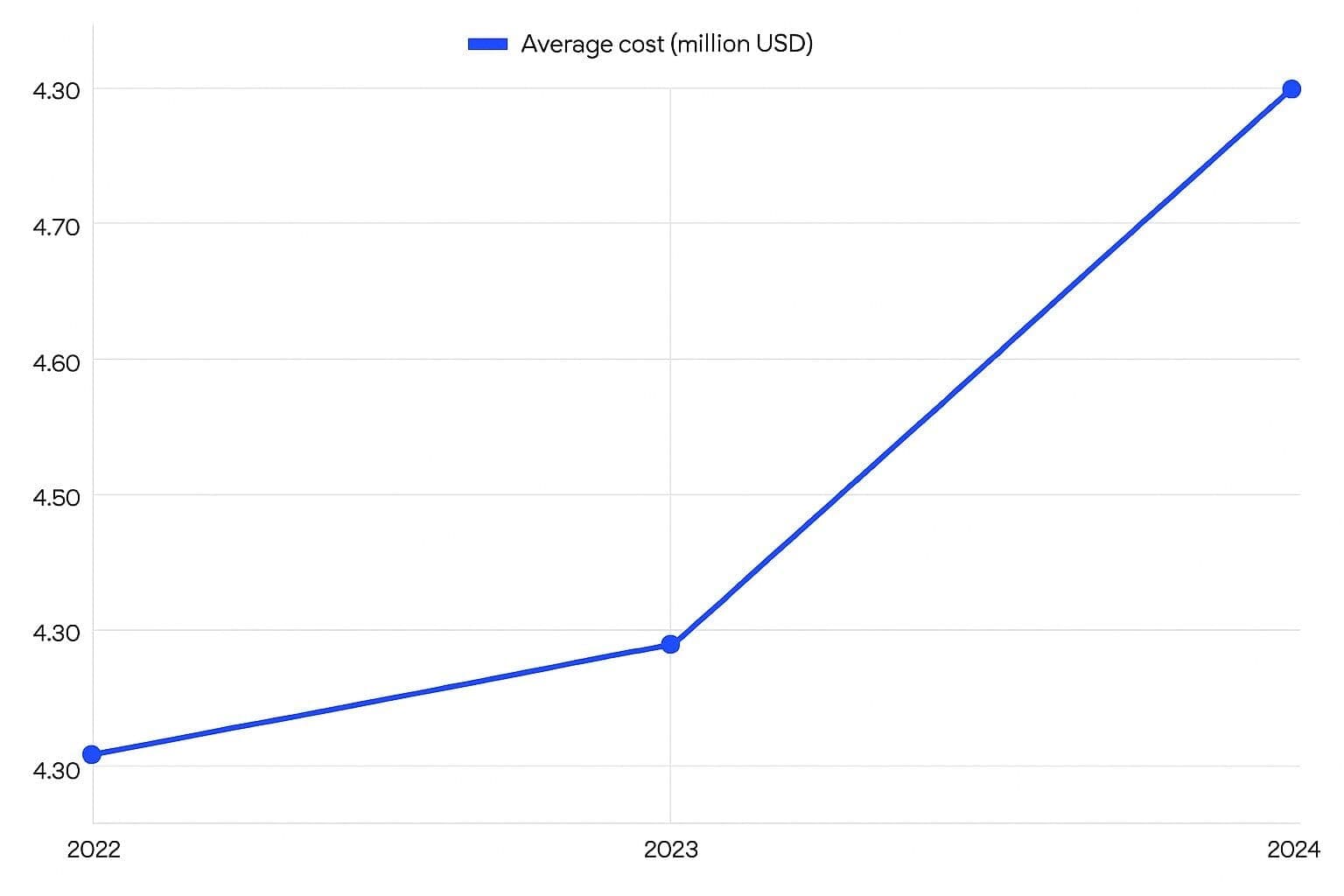
Most ad accounts fail before scaling because the foundation is already unstable long before budgets move. When performance looks acceptable at low spend, teams assume scaling is just budget allocation. Higher spend simply exposes every hidden constraint in tracking, creative, audience quality, and offer fit.
Scaling is not a single lever. It is an operating system problem. The account needs clean signals, measurement you can trust, and repeatable iteration cycles. Without that, optimization drifts, costs inflate, and volume stability never locks in.
This breaks down why accounts stall, what to fix first, and how to build a structure that can take more spend without collapsing.
Scaling fails when the system cannot learn
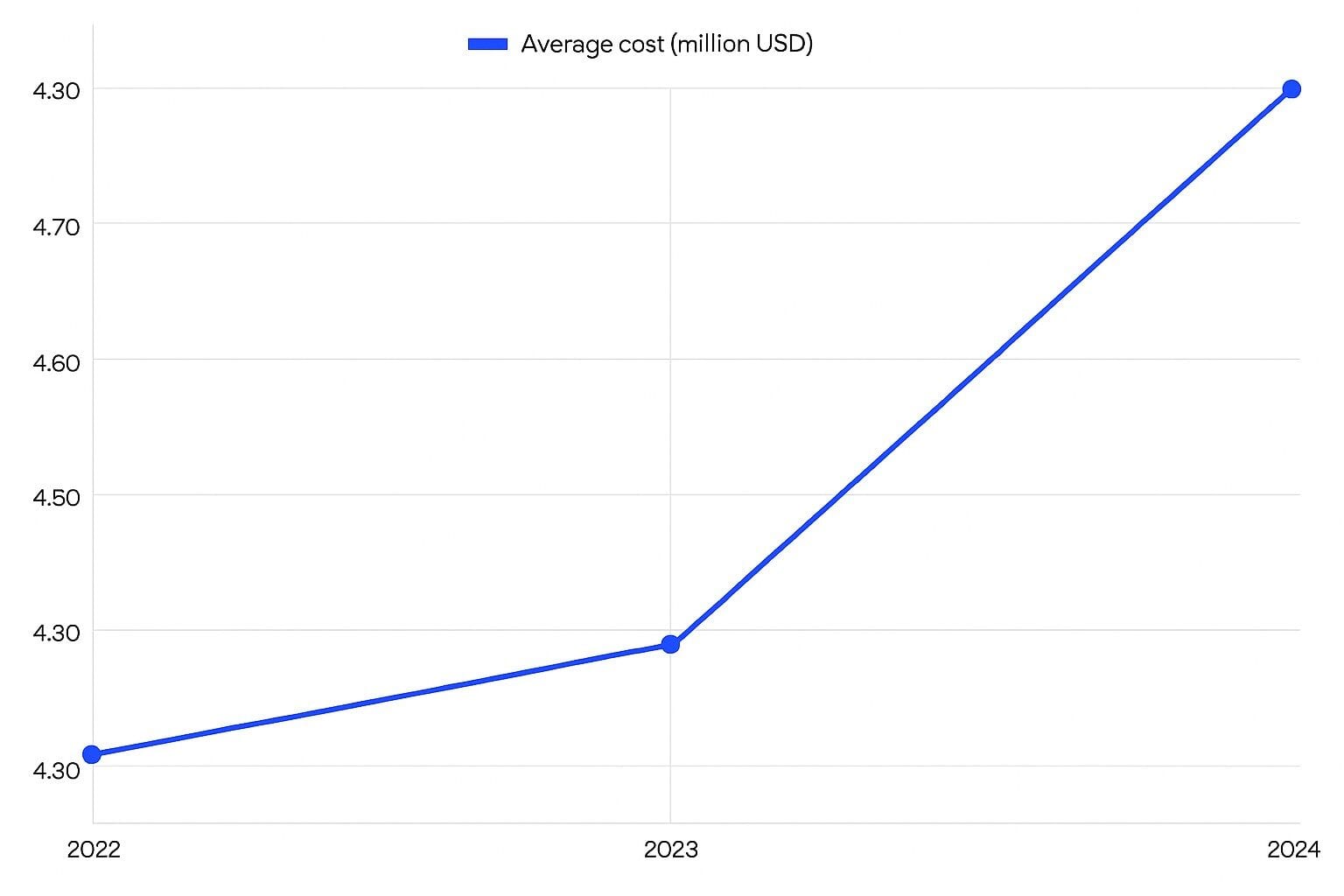
Platforms reward accounts that generate clear, consistent conversion signals. When measurement is noisy or inputs change too often, the algorithm learns the wrong patterns and volatility becomes your baseline. Low spend can hide this. Higher spend cannot.
The most common constraint is signal quality. If your primary event fires late, duplicates, or undercounts, you get signal decay and the platform reallocates into lower intent pockets. The second is offer clarity. Scale magnifies positioning gaps. If the promise is vague or the path to conversion is messy, you pay more for less intent. The third is creative fatigue. Scale increases frequency. If testing velocity cannot keep up, CPM and CPA climb and you blame the algo.
To judge scale readiness, look for repeatability. Can you launch a new creative variant, keep targeting stable, and see predictable movement in CTR, CVR, and CPA. If not, you do not have a scaling system. You have a fragile experiment.
A practical process to build a scale ready ad account
Scaling becomes realistic when you treat the account like an operating system. The goal is predictable feedback loops. Test, measure, learn, iterate. That requires stable tracking, clean structure, and a plan for creative throughput.
A scale readiness checklist you can apply this week
- Audit conversion tracking: confirm the primary conversion event fires once, attributes correctly, and reconciles to backend numbers. Optimization is only as good as the signal.
- Define one primary KPI per campaign: separate prospecting and retargeting and assign clear success metrics. Blended goals create conflicting optimizations.
- Lock your landing page baseline: validate page speed, mobile UX, and message match before increasing spend. More traffic amplifies drop offs and wastes budget.
- Build a creative testing cadence: commit to a weekly volume of new hooks, angles, and formats. Creative is the lever that sustains performance as frequency rises.
- Set guardrails for budget changes: increase spend in controlled steps and only when performance is stable over a defined window. Aggressive changes reset learning and spike CPA.
Actionable insight: if results are inconsistent, stop adding complexity. Reduce variables by testing one thing at a time, such as a single offer with multiple creatives, so you can isolate what is driving performance.
Actionable insight: use a diagnostic split between traffic quality and conversion efficiency. If CTR is strong but CVR is weak, focus on landing page and offer. If CTR is weak, focus on creative and positioning. This prevents random changes that add attribution noise and make scaling harder.
Common mistakes that cause failure before scaling
Accounts fail because teams scale the wrong input. They scale spend before they scale what produces conversions. Compelling creative, clean measurement, and a conversion path that holds under pressure.
One of the fastest ways to break CPA control is optimizing to the wrong event. If you optimize for clicks or low intent leads, you can scale volume while profitability collapses. Another is fragmenting the account into too many campaigns and ad sets, which splits data and slows learning. A third is ignoring unit economics. Scaling without allowable CPA, payback window, and margin is how spend grows while the business shrinks.
- Chasing platform hacks instead of building fundamentals like tracking accuracy and creative iteration, which leads to temporary spikes but no durable growth.
- Too many simultaneous changes (creative, targeting, bidding, landing page), which makes results impossible to interpret and stalls learning.
- Under investing in creative volume, which increases fatigue and pushes CPM and CPA up as spend rises.
- Over restricting targeting, which shrinks reach and forces higher frequency, reducing performance during scale attempts.
- Misreading attribution by relying on one dashboard, which causes teams to kill winners or fund losers based on incomplete data.
Actionable insight: create a weekly truth set report that reconciles platform numbers with analytics and backend sales or CRM. If discrepancies are large, fix measurement before scaling budgets. Scaling on broken attribution is budgeting in the dark.
Actionable insight: set a rule that any major structural change must be justified with a clear hypothesis and a success metric. Uncontrolled experimentation produces noise, not learning.
How to optimize for sustainable scaling
Sustainable scaling comes down to systemizing two things. Decision making and creative production. Decision making means clear thresholds for when to increase spend, when to hold, and when to cut. Creative production means you can keep shipping new variants that hold performance as reach expands and audience saturation increases.
Protect your learning phase. Avoid changes that reset optimization unless you have enough conversion volume to recover quickly. Then connect spend to outcomes with incrementality discipline. What happened because of ads, not just alongside them. That is how you scale profit, not dashboards.
- Scale in layers: increase budgets only on campaigns with stable conversion volume and consistent CPA, then expand with new creatives before new audiences.
- Use creative matrices: test multiple hooks against the same offer and page so you can identify which message drives intent, not just clicks.
- Monitor frequency and fatigue: when frequency rises and CTR falls, refresh creatives before costs spike.
- Standardize naming and reporting: consistent taxonomy makes it faster to diagnose what is working and replicate it.
- Validate profitability: track blended ROAS, margin adjusted CPA, and payback period so scaling decisions reflect the business, not only the ad account.
Actionable insight: treat creative as an inventory system. Maintain a backlog of new angles, customer objections, and proof points, and ship on a schedule. Scaling depends on creative throughput more than micro bidding tweaks.
Actionable insight: when you find a winner, do not only duplicate it. Extract the principle, hook type, proof format, offer framing, and build a family of variants. This extends performance and reduces single ad dependency.
Most ad accounts fail before scaling because inputs are unstable. Measurement is unreliable, the offer is unclear, and creative output is too slow to keep up with rising frequency. Fix those and you give the platform clean signals and the business a path to profitable growth.
If you want predictable scaling, focus on systems over shortcuts. Clean conversion signals, disciplined testing, and a repeatable creative engine. When those are in place, increasing spend becomes a controlled decision, not a gamble.
If you would like a hands on audit of your tracking, structure, and creative strategy to identify what is blocking scale, Contact us.