
Why CPM Inflation Is More Than a Market Problem
CPM inflation is often self inflicted. Learn how to isolate drivers by segment, protect CPA control, and keep volume stable with better signals and testing.
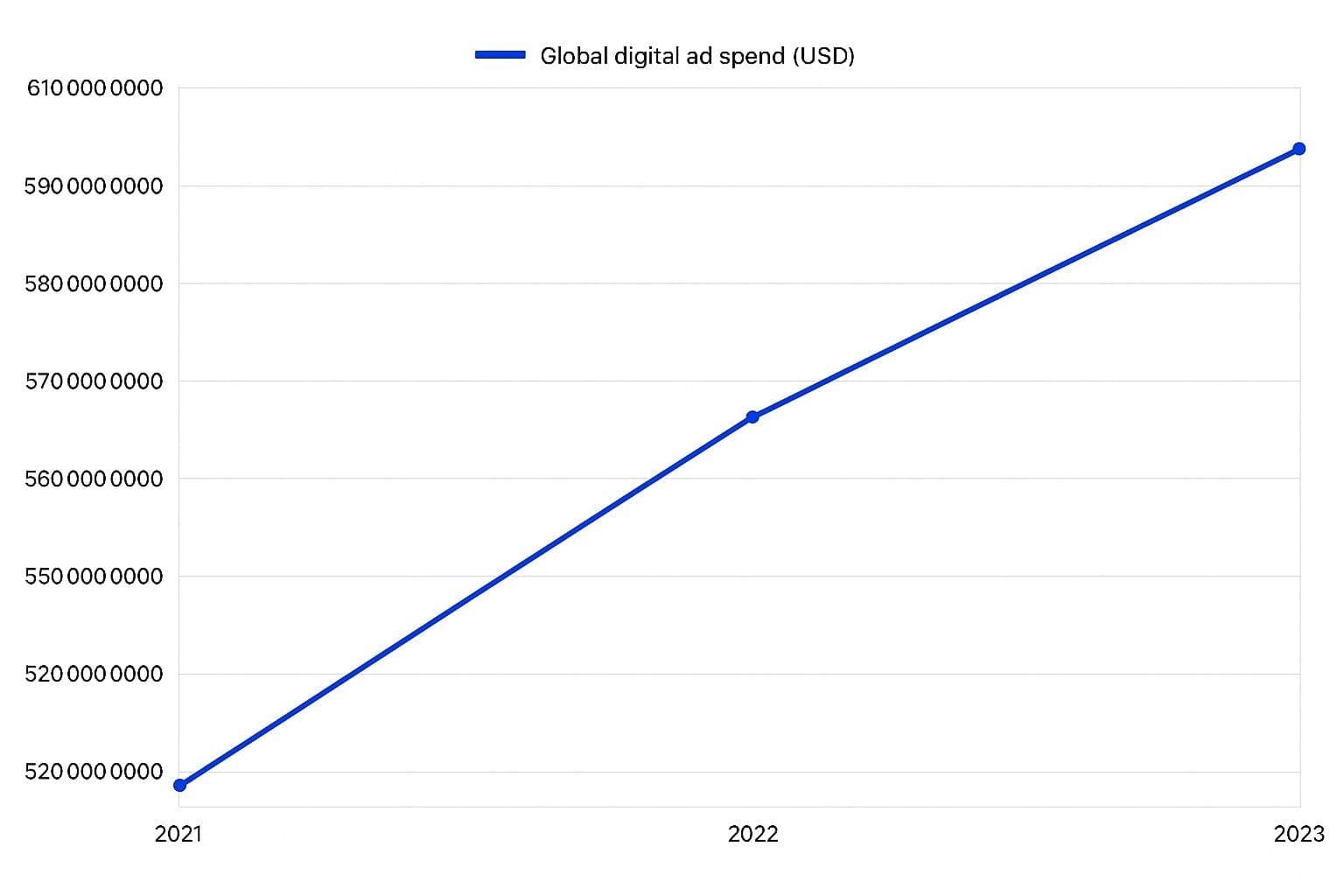
CPM inflation gets blamed on the market like it is evenly distributed and unavoidable. In practice, when efficiency slides week over week, the driver is rarely one macro shift. It is usually a mix of demand changes, supply constraints, signal loss, measurement drift, and fixable buying and monetization gaps.
Treating CPM inflation as purely external gets expensive fast. It trains teams to accept higher prices without auditing impression quality, auction pressure, or whether the same budget could hold CPA and volume with tighter controls.
Read CPM inflation as a signal. It can point to increased competition, reduced addressability, inventory quality drift, or auction mechanics that reward the wrong inputs. The move is not to panic or cut spend blindly. Diagnose the source, then pull the levers you actually control.
Why CPM inflation is often self inflicted
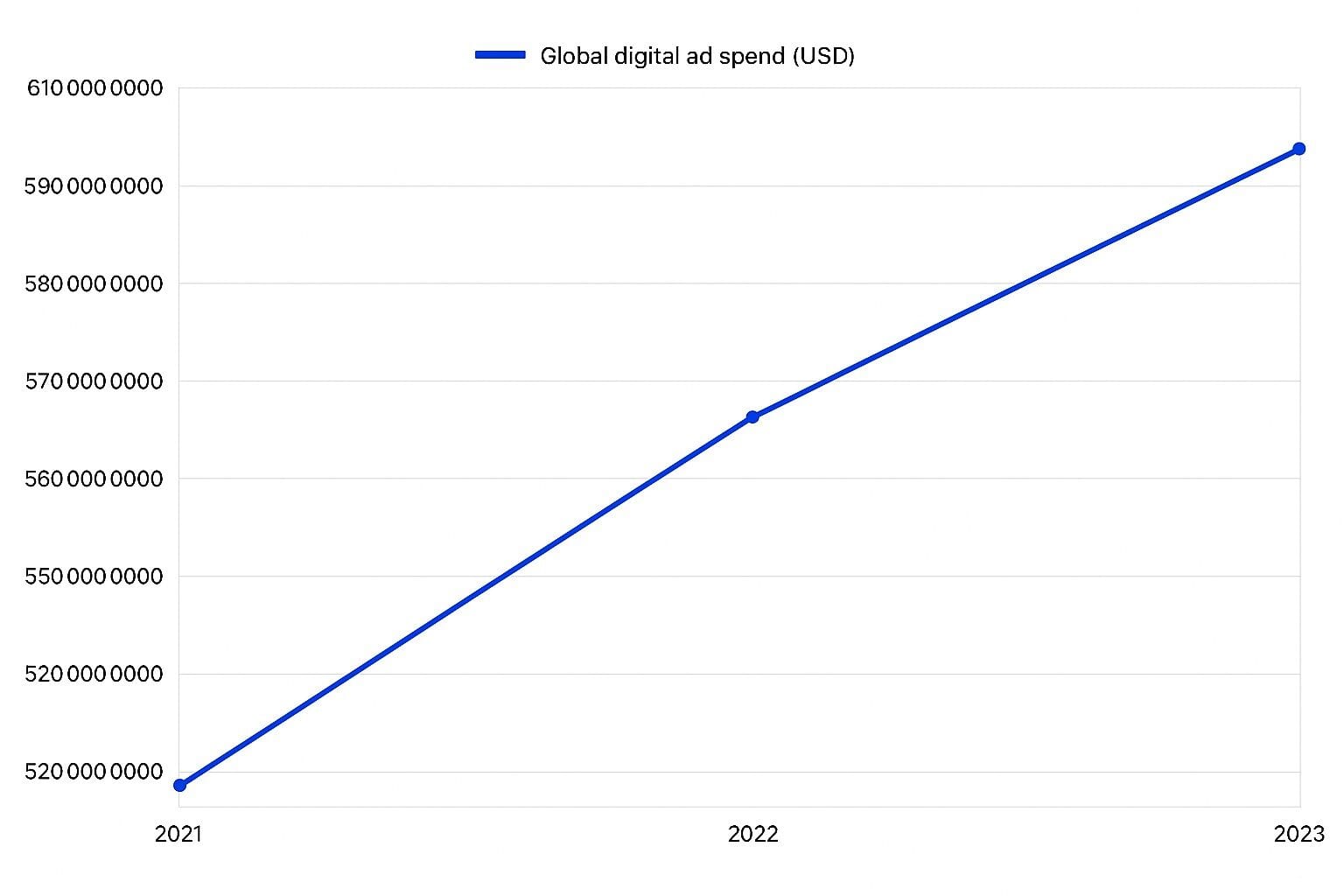
Yes, market dynamics matter. Seasonality, advertiser demand, and platform changes can push CPMs up. But a lot of inflation narratives are really efficiency failures hidden behind a convenient explanation.
On the buy side, CPMs climb when you sit in crowded auctions with broad targeting, soft conversion signals, or creative that is already fatigued and no longer earns engagement. On the sell side, CPMs move the wrong way when floor prices are off, when traffic quality slips, or when identity loss reduces buyer confidence and bid density.
Separate price from value. Higher CPM can be fine if it buys incremental reach, higher attention, or higher conversion probability. It is a problem when it is driven by waste, duplicate reach, poor viewability, or non human traffic. The same CPM can be efficient or expensive depending on downstream impact.
How to diagnose CPM inflation in practice
You cannot fix what you do not measure. Strong teams treat CPM inflation as hypotheses to test, not a single number to explain away.
A practical diagnostic workflow
- Decompose CPM by segment: Break out CPM by geo, device, placement, audience, and daypart to find where inflation concentrates and where efficient pockets still exist.
- Compare CPM to attention and outcomes: Track viewability, time in view, click quality, conversion rate, and cost per incremental result so you can see whether higher CPMs are buying better performance.
- Audit auction competitiveness: For programmatic, check bid density, win rates, and timeout rates. Low competition often signals supply path issues, identity loss, or brand safety filters removing buyers.
- Validate inventory quality: Run regular checks for IVT, abnormal refresh patterns, and placement transparency. CPM inflation can be a symptom of quality decay that reduces effective scale.
- Review frequency and reach overlap: High frequency with flat reach signals saturation. You are paying more to hit the same users, not to expand impact.
Actionable read: if CPM rises but CPM to viewable CPM stays flat, it is often measurement or reporting. If viewable CPM rises while conversion rate falls, look at targeting, creative, or landing experience. If CPM rises alongside win rate improvements, you may have moved into higher quality inventory. Validate incrementality before you pull budget.
Risks and common mistakes that make CPM inflation worse
The biggest mistakes come from reacting to CPM inflation with blanket moves that slow learning and reduce volume stability.
Chasing the lowest CPM is the classic trap. Cheap impressions can hide costs: low attention, high invalid traffic, or placements that never move behavior. Another common error is trying to fix CPM by narrowing targeting too aggressively. That can raise auction pressure, reduce algorithm learning, and create scaling constraints that push costs higher while CPA control gets worse.
For publishers, raising floors to fight CPM inflation can backfire. If floors sit above market clearing prices, you lose bids, reduce fill, and train buyers away from your supply. Overblocking through brand safety or keyword exclusion can also shrink demand and reduce bid density.
Actionable read: set guardrails that prevent overreaction. Use outcome based thresholds like cost per qualified visit, cost per incremental conversion, or revenue per mille of viewable impressions, not CPM alone. If CPM rises but incrementality improves, cutting spend can reduce total profit.
How to control costs and improve efficiency over time
Beating CPM inflation means building a system that reallocates budget toward value and away from waste. The target is not lower CPM. It is better effective CPM, more business outcome per thousand impressions.
- Optimize to quality adjusted metrics: Shift reporting and optimization toward viewable CPM, attention proxies, and conversion quality so pricing tracks impact, not raw delivery.
- Strengthen owned signals: Improve event tracking, consented identifiers, and conversion APIs so platforms can find efficient users without overbidding in broad auctions.
- Refresh creative with a testing cadence: Keep testing velocity high across message, format, offer, and landing page. Creative fatigue often looks like CPM inflation when engagement drops and delivery gets less efficient.
- Control frequency with intent tiers: Use frequency caps and sequencing so high intent users see more and low intent users see less. This reduces duplicated impressions that inflate costs.
- Clean up the supply path: Consolidate on high performing SSPs, enforce ads.txt and sellers.json alignment, and reduce hops to improve auction efficiency and buyer trust.
- Use lift and holdout testing: Confirm whether higher CPM placements drive incremental results. Keep what creates lift, cut what only shifts attribution amid attribution noise.
Actionable read: run a weekly inflation scoreboard with CPM, viewable CPM, reach, frequency, win rate, and cost per incremental outcome. When CPM moves, you can quickly separate healthy inflation that buys value from harmful inflation that buys waste.
CPM inflation is not just a market problem because it is rarely uniform and never purely price based. It comes from auction dynamics, signal quality, inventory trust, and day to day operational choices. Treat it as a diagnostic and you gain levers: measurement, segmentation, creative iteration cycles, frequency controls, and supply path decisions.
The teams that win do not wait for the market to cool. They build systems that define value clearly, validate incrementality, and reallocate budgets quickly when costs rise. If you want help identifying what is truly driving CPM inflation in your campaigns or inventory and turning that analysis into measurable improvements, Contact us