
Why Compliance Is a Growth Strategy for Modern Teams
Compliance keeps testing velocity high and deals moving by cutting security review drag, reducing risk incidents, and improving volume stability.
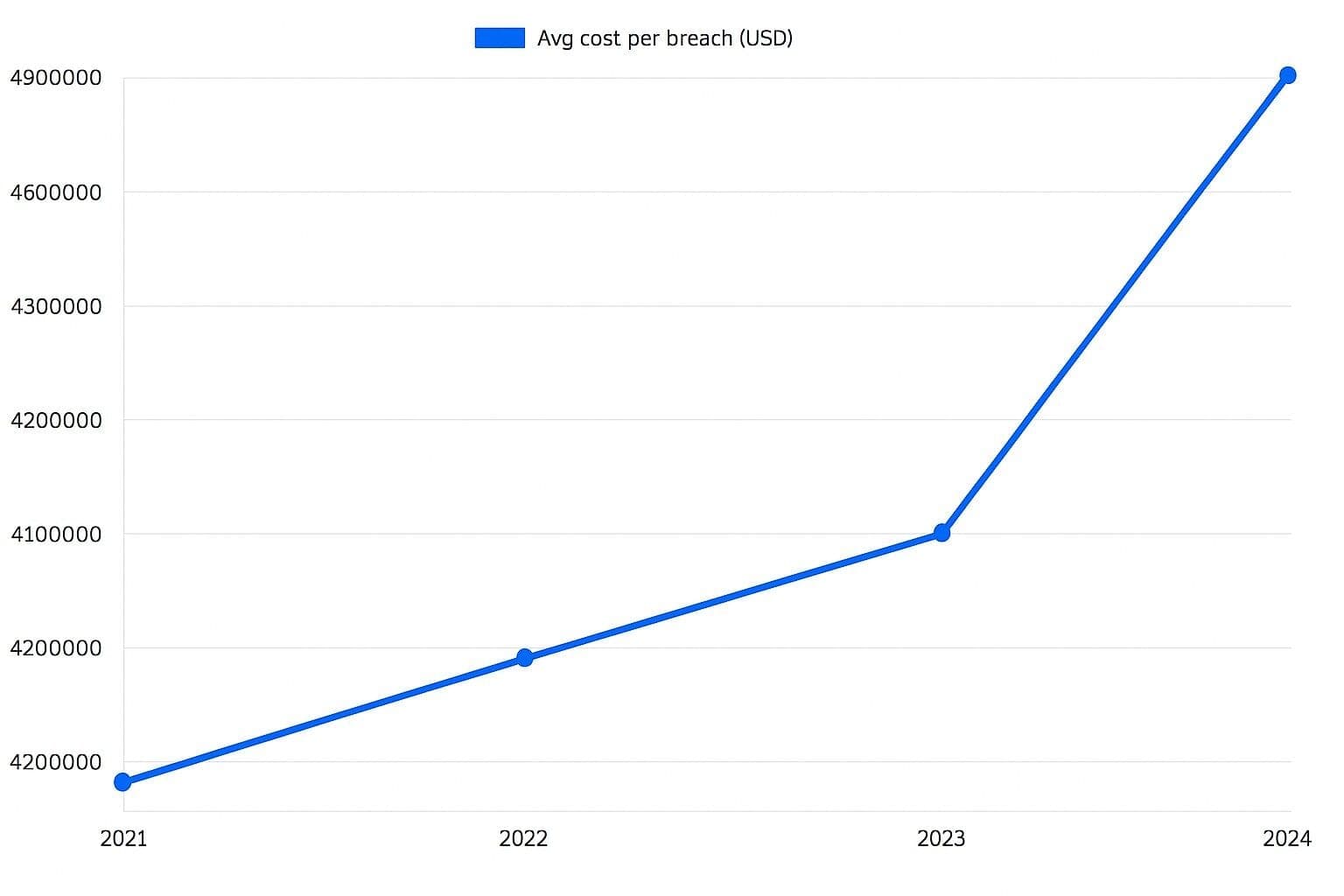
Most teams treat compliance like a box to tick after growth. That is how you end up with slow security reviews, surprise audit gaps, and last minute scramble when a big buyer asks for proof. The cost shows up as longer sales cycles, delayed budget unlocks, and deals stuck in procurement.
The better play is to run compliance like you run spend. Bake it into operating cadence so trust is earned early, not negotiated late. When controls are real and evidence is on demand, you move into regulated categories faster and you stop losing momentum to questionnaire back and forth.
Done right, compliance is a system that protects volume stability. The goal is not paperwork. The goal is predictable delivery, customer confidence, and operational resilience that supports scaling.
Compliance creates leverage, not red tape
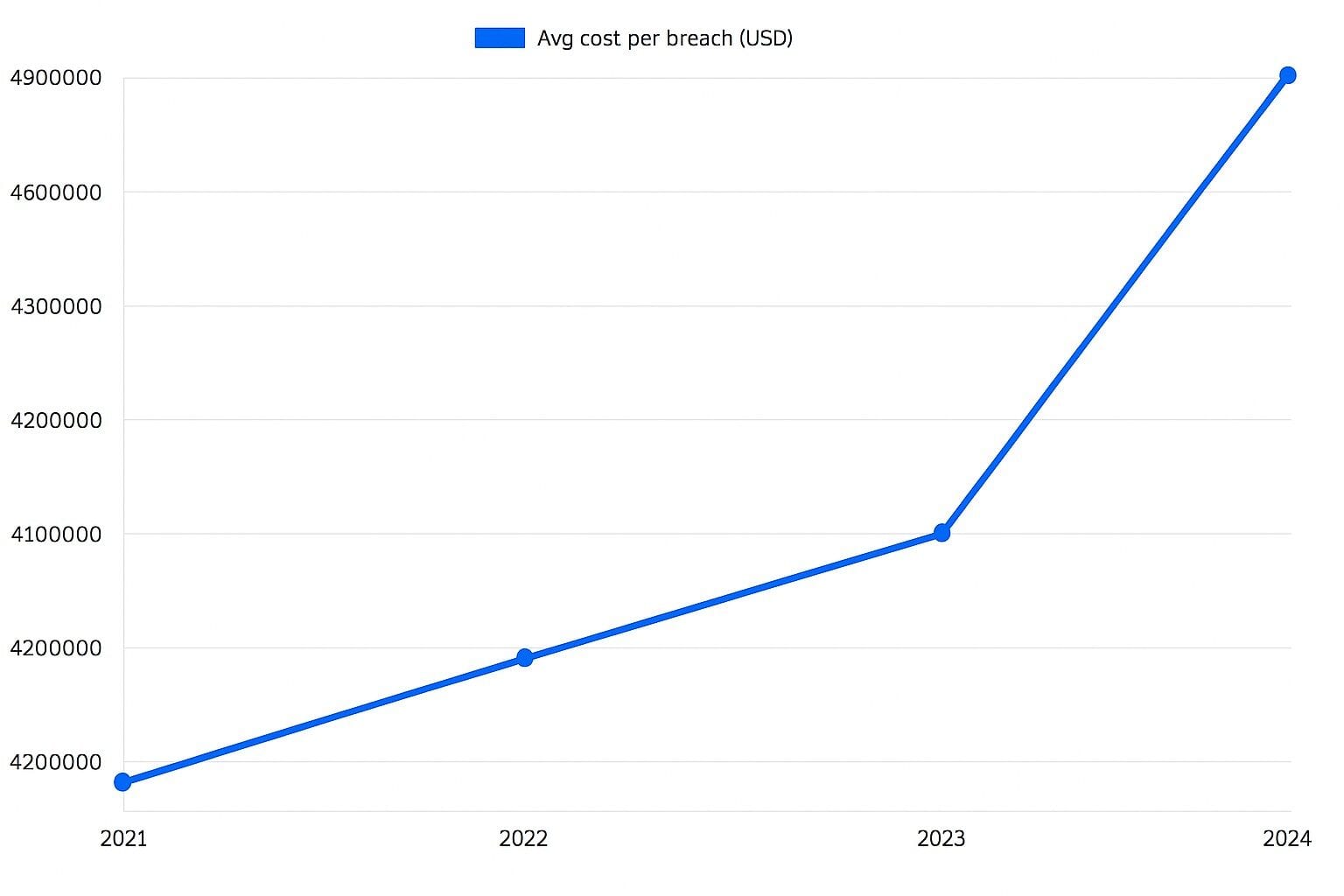
Growth requires trust. Enterprise buyers, partners, and regulators want evidence you can handle sensitive data, maintain uptime, and respond fast when something breaks. A mature compliance posture turns that due diligence into leverage through standardized controls and verifiable governance.
Compliance also forces operational clarity. When you map policy to actual workflow, you lock down who approves access, how changes ship, and where critical data lives. That reduces rework and speeds onboarding because teams stop improvising. In practice, strong compliance lifts sales velocity by shortening security reviews and protects CPA control by preventing reliability and privacy failures that create churn and refunds.
To see if compliance is enabling growth, look at outcomes you can track. Fewer questionnaires stuck in review, faster vendor approvals, fewer production incidents, and cleaner escalation ownership. If the documentation exists but those metrics do not move, you have documentation without adoption.
How to operationalize compliance as a growth engine
The fastest path is to align compliance to revenue constraints and embed it into daily work. Do not start with policy decks. Start with business risk and buyer requirements, then implement controls that map to your products, data, and processes. This is where risk based prioritization matters. Focus on what reduces exposure and removes scaling constraints.
A practical implementation playbook
- Define the target framework and scope: Choose what your buyers expect (for example SOC 2, ISO 27001, HIPAA, GDPR) and scope systems that store or process sensitive data. This prevents wasted effort on irrelevant assets.
- Inventory data flows and crown jewels: Document where customer data enters, where it is stored, who can access it, and how it leaves. This is the foundation for improving privacy, access control, and incident response.
- Turn policies into real controls: Implement enforceable mechanisms like SSO, MFA, least privilege roles, logging, and change management checks. A policy without a control is not defensible.
- Assign owners and cadences: Make each control owned by a role, not a committee. Set review intervals for access, vendors, backups, and incident runbooks to ensure continuous compliance instead of annual fire drills.
- Collect evidence automatically: Connect systems to pull logs, access reports, and configuration states. Automation reduces audit fatigue and improves accuracy.
As you implement, validate effectiveness with quick tests. Can you revoke access within minutes. Can you produce evidence within hours. Can you restore critical services within stated objectives. These tests turn compliance from theory into operational readiness and cut attribution noise from preventable outages and data incidents.
Common mistakes that turn compliance into a bottleneck
Compliance becomes a constraint when it is treated as paperwork, owned by one person, or disconnected from engineering and operations. The failure modes are predictable and they show up like creative fatigue. You feel the drag first, then performance breaks.
Copy paste policies are a common miss. When policy does not match reality, nobody follows it and audits surface gaps fast. Another miss is controls that are too restrictive without understanding workflow. That creates shadow tooling and weakens security because people route around friction.
Watch for these warning signs and fix them early:
- Over scoping: Including every tool and system increases cost and evidence burden, delaying certification and distracting teams from real risk.
- Under scoping: Excluding key systems may pass internally but fails customer due diligence and exposes you during incidents.
- Evidence panic: Building evidence at the end leads to inconsistencies, missing logs, and high consulting costs.
- Unclear ownership: Controls without owners decay quickly, making compliance brittle and audit outcomes unpredictable.
- One time compliance: Treating compliance as an annual event undermines trust and increases incident likelihood between audits.
To avoid these issues, run control effectiveness checks like you run testing velocity. Sample access reviews monthly, test incident response quarterly, and verify backups and restore procedures on a schedule. If a control cannot be tested, it cannot be trusted.
Scaling compliance for faster growth over time
Once the baseline is stable, the focus shifts to efficiency and differentiation. Mature teams use compliance to speed decisions, streamline procurement, and expand into new verticals without adding headcount in lockstep.
Start by building reusable assets that reduce sales friction. Maintain a security and privacy package with current controls, data handling, and incident response. Keep a standard response library for questionnaires, and track metrics that prove execution like patch timelines and access review completion. This turns compliance into trust enablement for revenue teams and stabilizes budget allocation discussions.
For advanced optimization, focus on these levers:
- Automate evidence and monitoring: Use continuous checks for configuration drift, privileged access, and logging coverage to reduce surprises and shorten audits.
- Integrate controls into CI/CD: Add security and compliance gates for code review, dependency scanning, and infrastructure changes so issues are caught before release.
- Build a vendor risk program: Tier vendors by data sensitivity, require standard security clauses, and review high risk vendors regularly to protect your supply chain.
- Measure what matters: Track time to grant and revoke access, mean time to detect incidents, audit evidence turnaround time, and the percentage of systems covered by centralized logging.
- Use compliance for market expansion: Choose certifications and privacy practices that unlock specific industries and regions, turning compliance into a deliberate growth roadmap.
Over time, the best programs move from checking requirements to strengthening the operating model. That compounding effect looks like fewer disruptions, faster iteration cycles, and a reputation for reliability that supports premium positioning.
Compliance is a growth strategy when it is built into how work gets done, measured through outcomes, and continuously improved. It helps you earn trust faster, reduce risk related setbacks, and scale operations without chaos. The teams that win treat compliance as an output of strong execution and as an input to better execution.
If you want to turn compliance into a practical system that accelerates sales, reduces risk, and scales with your business, Contact us