
Why Ad Platforms Prefer Predictable Advertisers
Ad platforms reward stable signals. Learn pacing, measurement, and testing habits that improve delivery stability, reduce attribution noise, and protect CPA control.
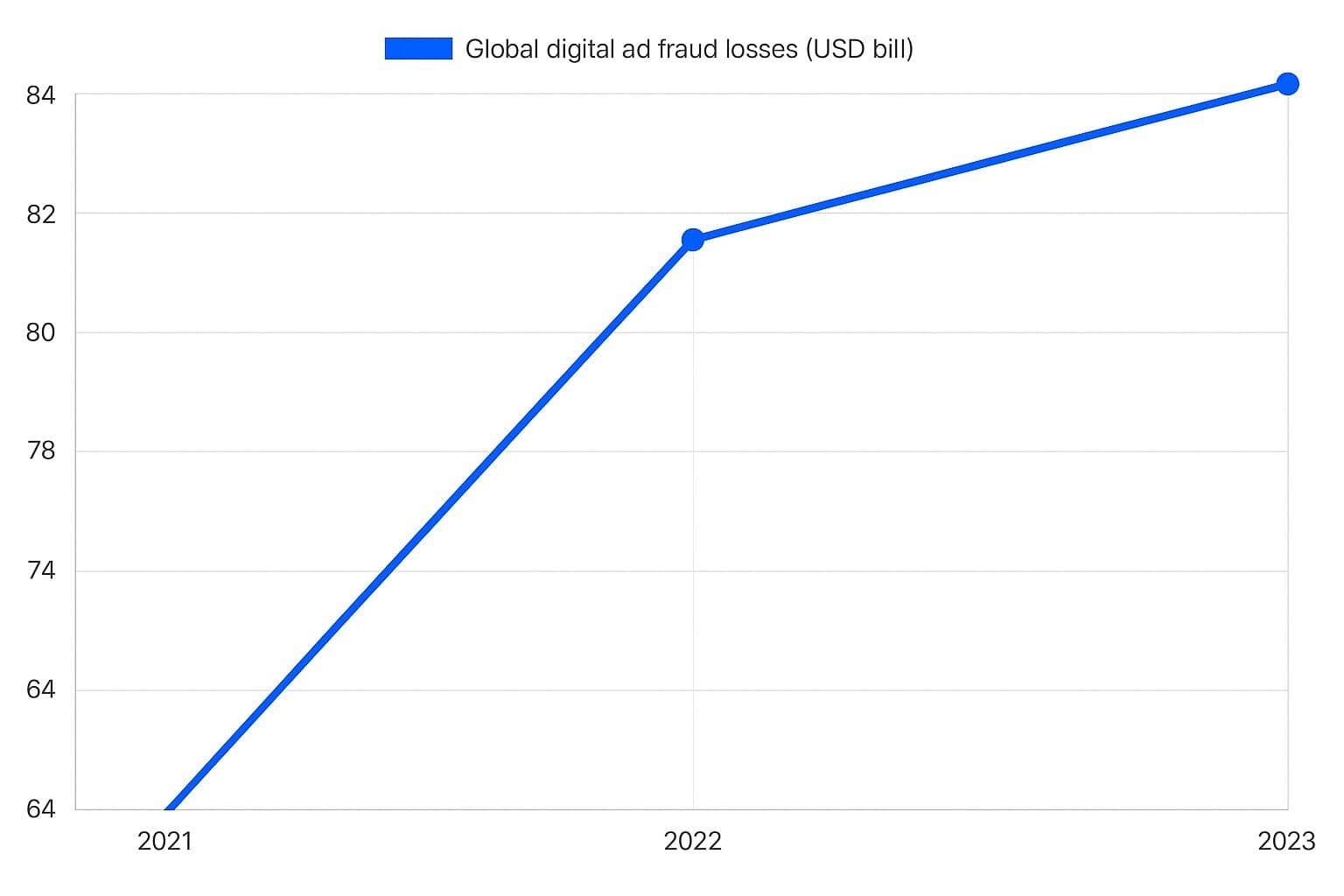
Ad platforms allocate attention based on expected outcomes, not vibes. When spend, targeting, and conversion signals stay stable, the system can price inventory, route delivery, and keep volume stable without over correcting. Predictability usually shows up as lower effective CPMs, steadier CPA control, and less learning drag.
Predictable advertisers are not just high spenders. They run reliable measurement, repeatable creative performance, and disciplined budget pacing. From the platform view, they reduce uncertainty. Fewer spikes, fewer compliance surprises, fewer campaigns that churn after a week and leave the model with dead ends.
If you understand why the auction rewards predictable behavior, you can build account structure and iteration cycles that work with the system. The upside is compounding performance, not one week wins that disappear when signals shift.
How predictability improves auction outcomes
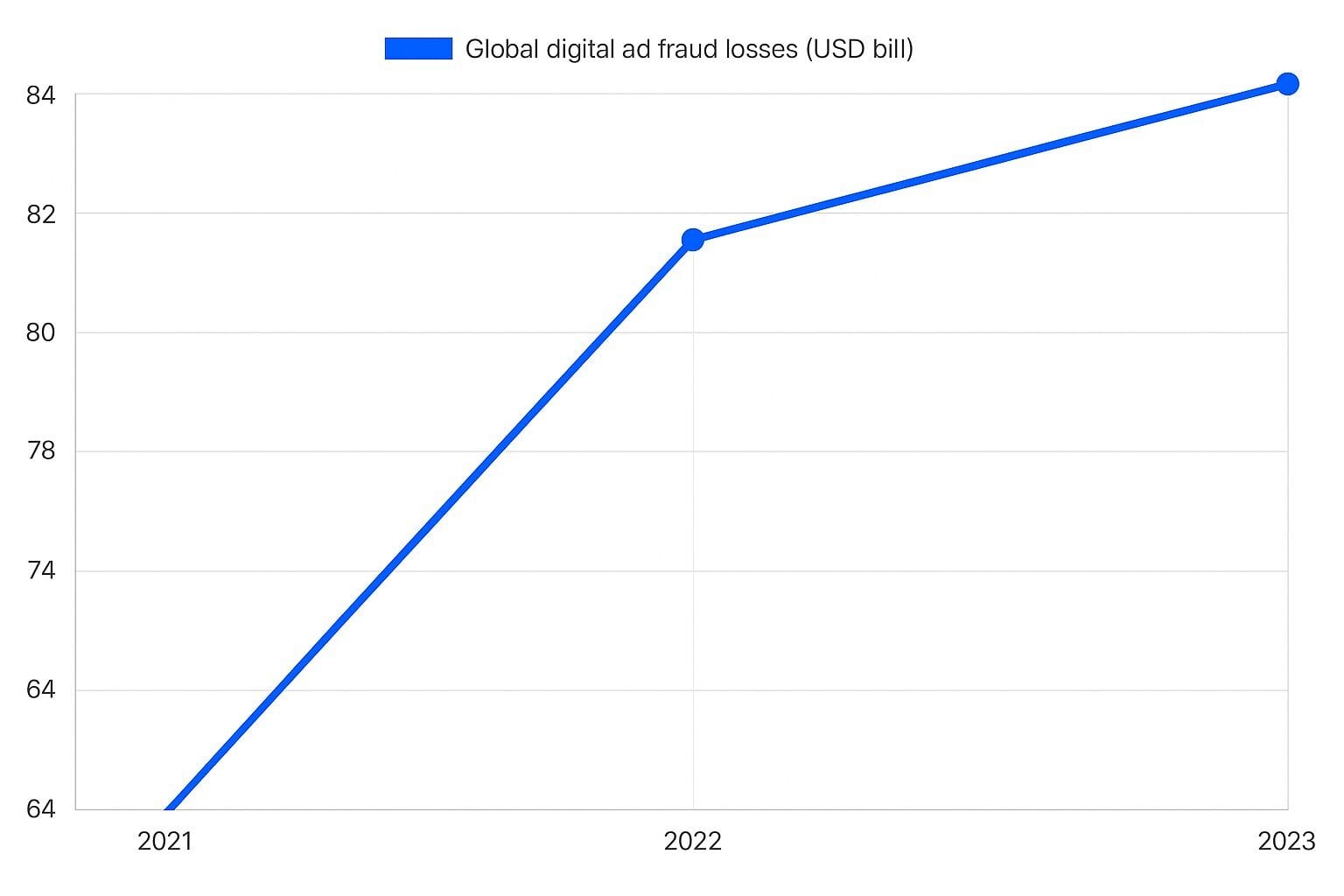
Platforms optimize for long run revenue and user retention. They need consistent conversion feedback to keep delivery efficient and complaint rates low. Advertisers who send clean, steady signals make the model more confident, which typically improves performance distribution on your side too.
Predictability matters because of three core mechanics:
Model confidence rises when conversion events come in at a steady cadence with consistent attribution. That reduces attribution noise, improves matching, stabilizes CPM and CPC, and cuts performance whiplash.
Budget efficiency improves when spend is paced smoothly. Large overnight changes can blow through scaling constraints, force the system into weaker inventory, shift reach too fast, and slow learning.
Risk management is easier when creatives, landing pages, and compliance patterns are stable. Accounts that trigger fewer reviews and fewer negative signals are less likely to see throttling, limited delivery, or tighter scrutiny.
What predictable advertisers do differently in practice
Predictability is an operating system. It is how you measure, how you structure, and how you iterate. The objective is stable inputs that produce stable outputs, even as you increase testing velocity.
A practical predictability checklist
- Standardize conversion events: choose one primary conversion per objective and keep it consistent so the platform can learn what success means. Monitor event volume stability and attribution consistency week to week.
- Control budget pacing: ramp spend in measured increments instead of doubling overnight. Abrupt shifts change auction participation and can disrupt learning. Use a rule tied to sustained CPA or ROAS performance across multiple days.
- Keep targeting and structure steady: avoid frequent major edits to geo, audiences, or optimization goals. Fewer structural changes preserve historical learnings and improve comparability of tests.
- Run creative iterations, not creative chaos: refresh on a schedule and test variations against a stable control. This isolates the variable, reduces noise, and helps you spot creative fatigue faster.
- Maintain landing page consistency: large changes to page speed, offers, or tracking can shift conversion rate and attribution. Validate with pre and post comparisons and confirm tracking still fires cleanly.
Every item above reduces ambiguity across the chain from impression to conversion. Platforms like it because prediction improves. You like it because forecasting gets tighter and scaling becomes less fragile.
Common mistakes that make an advertiser look unpredictable
Most underperformance is not product. It is signal decay and instability created by reactive ops. If the system cannot form a stable view of what drives outcomes, it cannot allocate efficiently.
Over optimizing too frequently is the classic failure mode. Daily edits to bids, budgets, creatives, audiences, and conversion settings keep campaigns in permanent turbulence. You get movement, not learning.
Fragmenting data is another. Splitting spend across too many campaigns or ad sets starves each unit of conversion volume. That weakens signal quality, slows learning, and makes CPA control harder. Consolidation is not always better, but fragmentation without a volume plan is expensive.
Inconsistent measurement kills trust fast. If pixels, SDKs, or offline uploads fail intermittently, the platform sees erratic conversions and optimizes toward the wrong pockets. The outcome is higher CPA, unstable delivery, and reporting that you cannot act on.
Finally, reactive pausing and restarting creates self inflicted volatility. You interrupt momentum, reset distribution, and force the system to re map who to reach. If you must intervene, do it with controlled pacing and a clear hypothesis.
How to become more predictable without slowing growth
Predictability is not stagnation. It is controlled change on top of a stable baseline. Strong operators run two lanes. A performance core built for volume stability, and a test sandbox built for learning.
- Define a weekly operating cadence: pick specific days for analysis, budget adjustments, and creative swaps. This prevents random edits and makes trends easier to interpret.
- Set guardrails for scaling: increase spend only when key metrics hold for a defined window, such as 3 to 7 days. Guardrails reduce whiplash and keep delivery stable while you scale.
- Instrument end to end attribution: audit pixels, SDKs, server side signals, and offline conversion imports monthly. Better instrumentation improves conversion integrity and reduces attribution noise.
- Use holdouts and controls: keep a stable control creative or campaign so you can separate real lift from market movement, seasonality, and audience saturation.
- Forecast with ranges, not single numbers: set expectations using volatility bands based on recent performance. This keeps budget allocation rational and avoids panic changes that create instability.
Advanced teams improve predictability by aligning internal stakeholders. When sales, finance, and marketing agree on conversion definitions, lead quality thresholds, and acceptable CAC ranges, the account stops oscillating between conflicting objectives.
Platforms prefer predictable advertisers because predictability makes optimization possible. When measurement is consistent, pacing is controlled, and testing is structured, you earn steadier delivery and a clearer scaling path. You spend less time reacting to noise and more time compounding what holds.
If you want help building a predictable advertising system that platforms can optimize efficiently, Contact us.