
TikTok Ads Volatility. Opportunity or Structural Risk?
Understand TikTok ads volatility, spot auction noise vs structural risk, and run weekly workflows for CPA control, stable volume, and cleaner scaling.
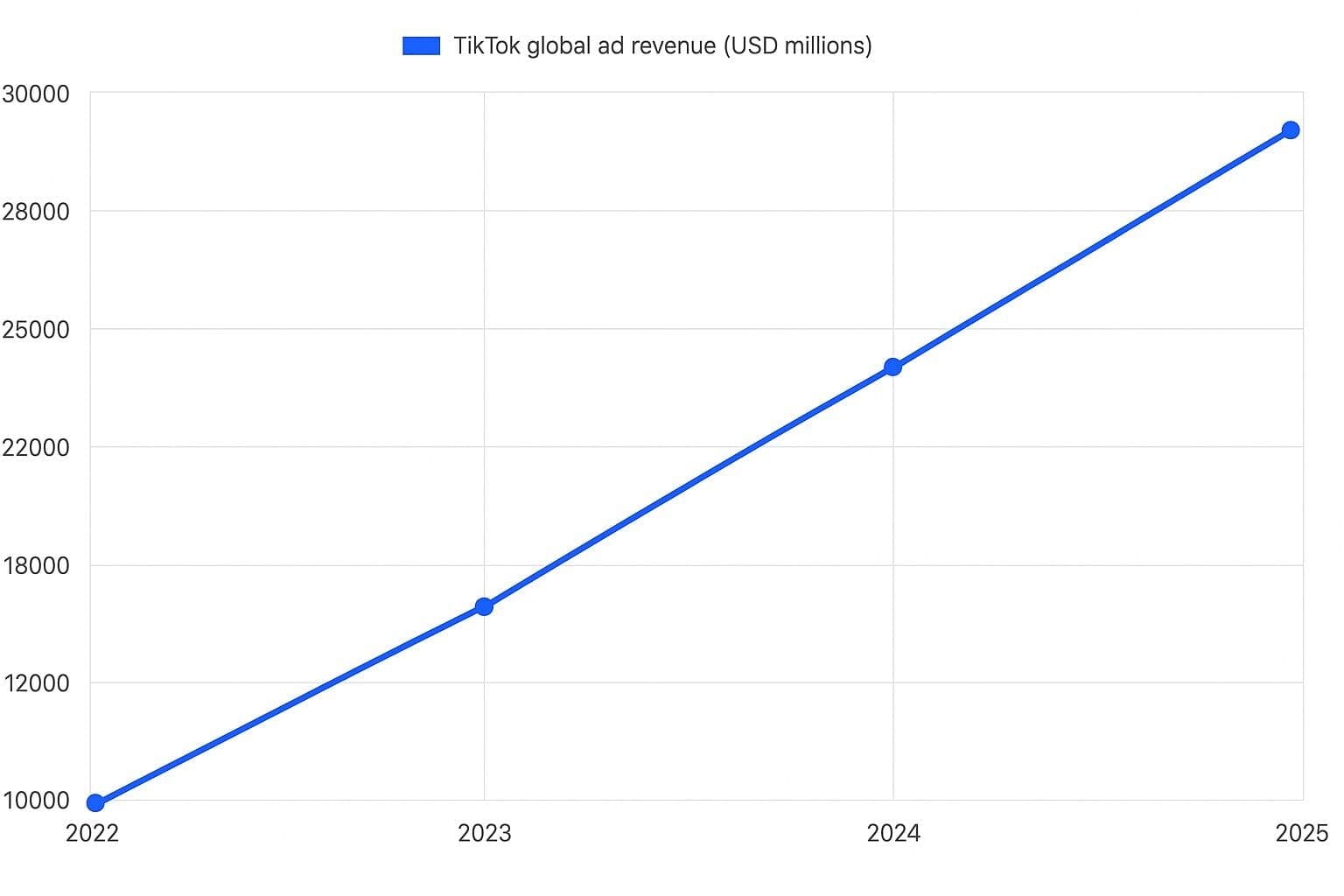
TikTok ads volatility is now a core feature of performance marketing on the platform. CPMs reprice fast, conversion rates move without warning, and what held volume last week can stall today. For some buyers, that variability creates edge through faster learning. For others, it exposes structural risk in forecasting, creative planning, and budget governance.
The question is not whether TikTok is volatile. The question is whether your account is built to convert volatility into signal, then into profit. When measurement, creative, and bidding are aligned, variability becomes useful. When those foundations are weak, volatility becomes wasted spend and slow decision cycles.
This article breaks down where the swings come from, how to tell opportunity from structural risk, and what to do next when results feel inconsistent.
Why TikTok ads volatility happens and why it matters
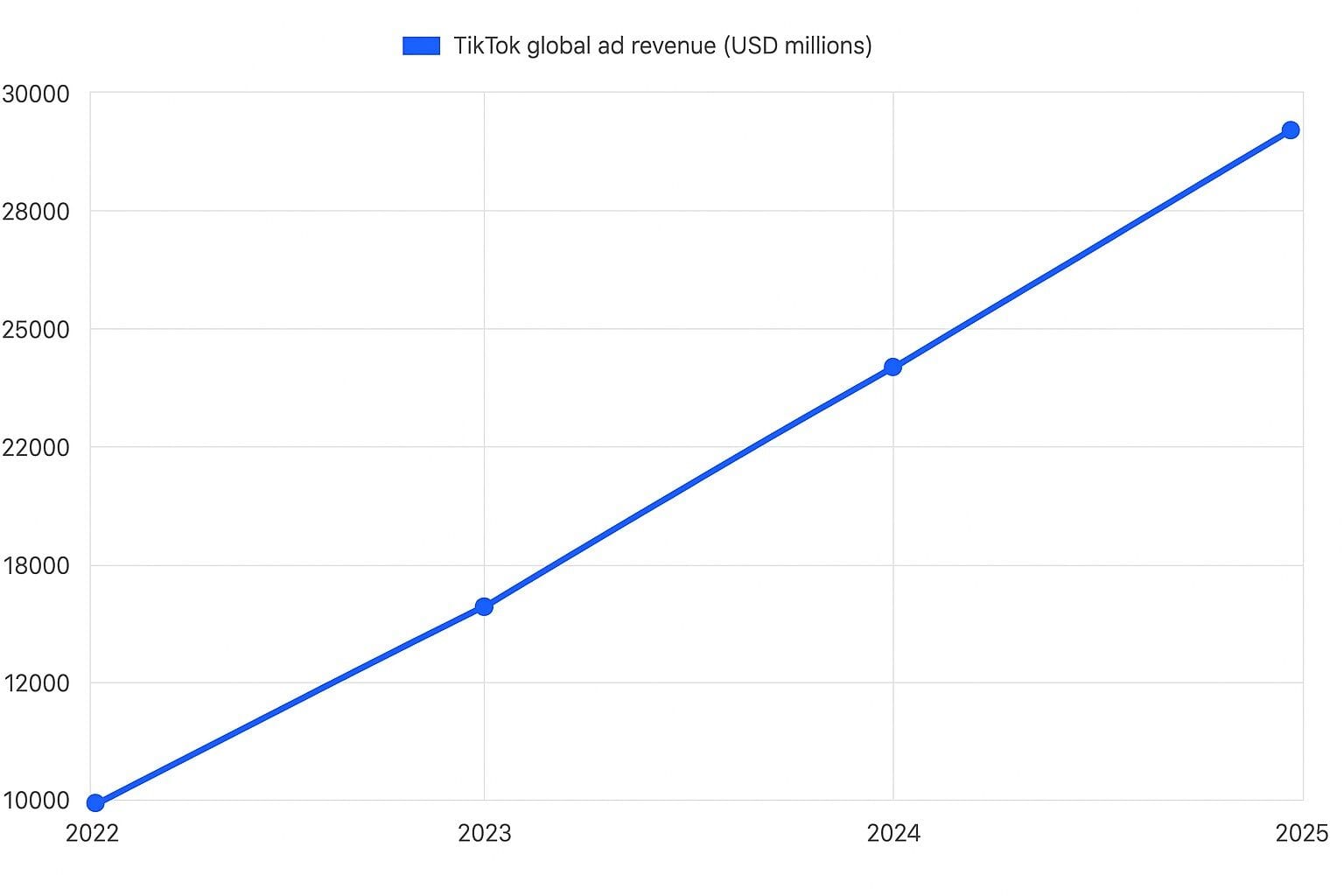
TikTok is driven by fast shifts in user attention, creator trends, and auction pressure. That environment rewards high testing velocity and disciplined iteration cycles. It punishes teams that need stable baselines to make calls. In practice, volatility hits cash flow planning, creative throughput, and attribution confidence.
Several platform mechanics make the swings sharper. TikTok leans hard on creative performance signals, so one new concept can change delivery, pacing, and audience expansion. The auction reprices quickly around seasonal demand, news cycles, and competitor pushes. Optimization also depends on event quality, so any tracking gaps create unstable learning, faster signal decay, and inconsistent distribution.
The upside is speed. Volatility can surface a new angle or pocket of efficiency faster than slower channels. The downside is that attribution noise can mask measurement issues or weak offer market fit. The job is separating normal auction noise from structural breakdown in the funnel.
How to turn volatility into a repeatable operating system
If you run TikTok like set and forget, volatility feels random. If you run it like a controlled testing engine, volatility becomes usable data. The goal is decisions off patterns, not single day spikes.
A practical weekly workflow for volatile performance
- Separate testing and scaling budgets by campaign so learning does not disrupt core revenue. Mixed objectives create noisy signals and unstable delivery.
- Set decision windows such as 3 day and 7 day views and evaluate on blended metrics, not daily swings. This improves CPA control and reduces overreaction.
- Track creative at the concept level such as hook, promise, proof, CTA rather than by individual video. This makes winners repeatable and keeps production aligned to what is actually working.
- Use holdout checks such as geo splits or controlled budget pauses on small segments. This validates incrementality when attribution looks too clean or too jumpy.
- Define a scaling rule such as increasing budgets only when CPA stability holds across two time windows. This avoids scaling into a short lived spike.
To decide whether volatility is opportunity or risk, look for stability in the system underneath. If impressions and clicks are stable but conversion rate swings, the problem is usually landing page execution, offer clarity, or tracking. If conversion rate is stable but CPMs and CTR swing, the drivers are usually creative fatigue, audience overlap, audience saturation, or competitor pressure in the auction.
Structural risks and common mistakes that make swings worse
Volatility gets expensive when it triggers bad interventions. Many accounts underperform not because TikTok is unpredictable, but because buyers respond to noise with edits that reset learning and compound instability.
Watch for these common errors and the consequences they create:
- Editing too many variables at once such as creative, targeting, bidding, and budget. This kills causality and often forces permanent learning resets.
- Chasing last click ROAS without validating incrementality. This can shift spend toward low quality conversions and inflate reported performance until it snaps back.
- Over scaling a single winner while under investing in the pipeline. When that concept fatigues, volume stability breaks because there is no replacement ready.
- Ignoring event quality such as misfiring purchase events, duplicated events, or missing value. Weak signals produce unstable optimization and inconsistent audience expansion.
- Letting attribution settings drift across campaigns and time. When windows and models change, reporting volatility may be measurement, not performance.
A simple diagnostic helps. If performance worsens after frequent edits, you are likely creating volatility. If performance worsens despite stable operations and consistent creative output, volatility is more likely auction driven or product market related. Either way, the fix starts with measurement integrity and a repeatable experimentation cadence.
Optimization strategies for scaling in a volatile auction
Once the process is stable, build resilience so the account can scale without breaking. Resilience means results are not dependent on one audience, one attribution view, or one creative format. It also means you can press into favorable swings and protect budget allocation when conditions shift.
Apply these moves to improve performance over time:
- Build a creative portfolio across multiple angles such as price, outcomes, social proof, comparison, and objections. TikTok rewards novelty and variety, which reduces fatigue driven swings.
- Optimize for downstream quality using value signals, AOV segmentation, or post purchase cohorts. This reduces the risk of scaling traffic that converts but does not retain.
- Introduce controlled diversification with separate campaigns for new customer acquisition and retargeting, each with clear KPIs. This prevents one segment from distorting the other during volatile weeks.
- Use budget guardrails like max daily loss thresholds and pre approved scaling tiers. This limits downside during unexpected CPM spikes or tracking issues.
- Monitor leading indicators such as thumbstop rate, watch time, CTR, and add to cart rate before CPA moves. This lets you intervene earlier with creative or landing page fixes.
Two practical evaluation tips keep decisions grounded. First, maintain a stable control campaign with minimal changes so you can compare against tests. Second, document every major change with timestamped notes so when performance swings, you can tie it to edits, signal decay, or market dynamics.
TikTok ads volatility is not purely a gift or purely a threat. It is a characteristic of a fast moving auction that rewards strong measurement, fast creative iteration, and disciplined decision rules. When you separate signal from noise, volatility becomes a lever for learning and growth.
If your account feels unpredictable, strengthen the system before forcing more spend through it. Define success metrics, protect learning with clean structures, and run a creative pipeline that can absorb fatigue and auction shifts. If you want help diagnosing whether your volatility is an opportunity or a structural risk, Contact us