
TikTok Ads Performance: Signals Beat Creatives
TikTok Ads performance is signal driven. Improve tracking, event mapping, and stable optimization to reduce attribution noise and keep CPA control.
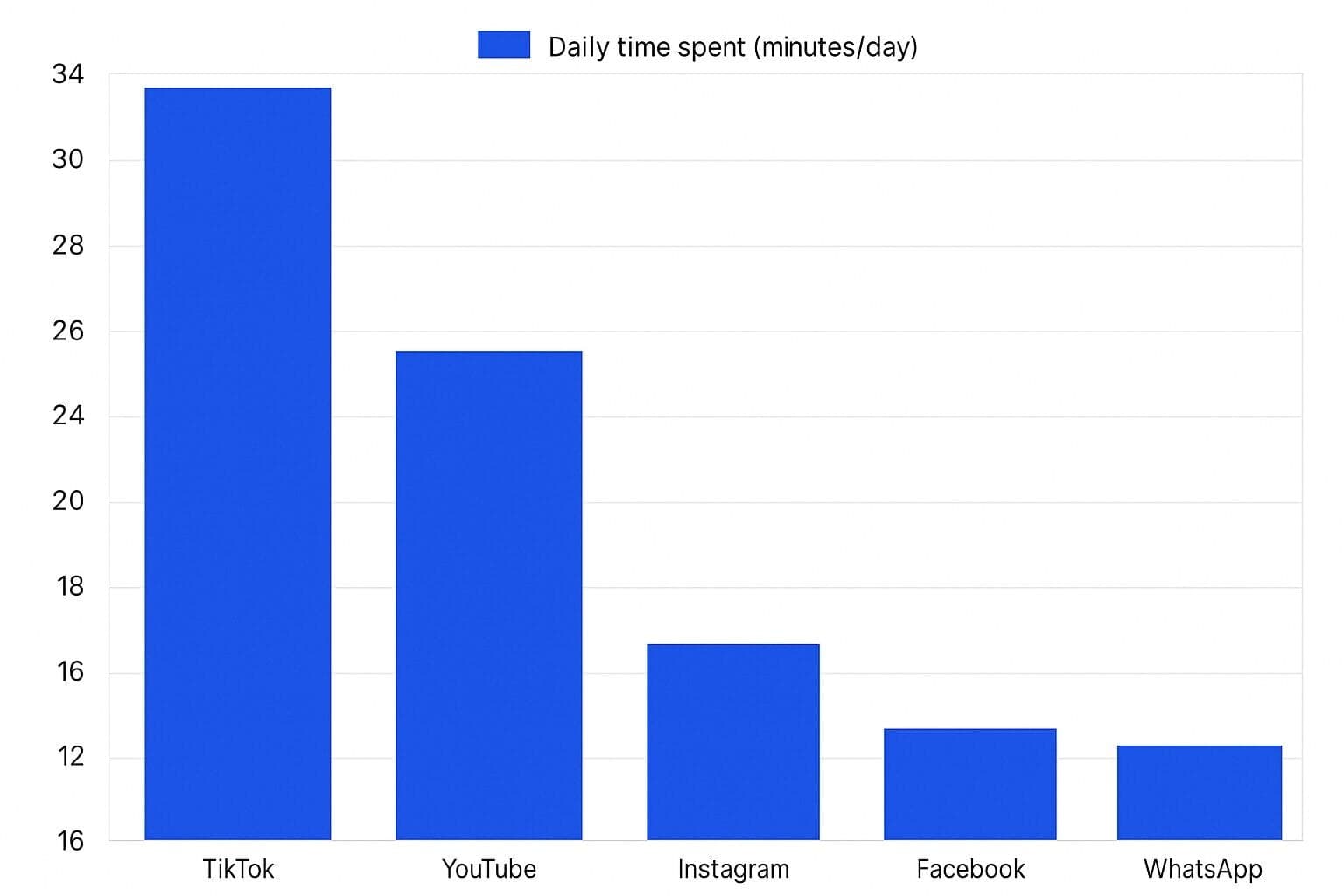
TikTok Ads often get treated as a creative first channel, but day to day performance is usually gated by signal quality. Signals are the behavioral and technical inputs TikTok uses to decide who gets spend, when, and at what intensity.
When CPAs drift or volume destabilizes, most teams spike testing velocity and cycle videos. Creative matters, but it cannot patch broken tracking, sloppy event mapping, unclear optimization events, or inconsistent conversion volume. If TikTok cannot predict converters with confidence, you get higher exploration spend, cheaper traffic bias, and plateaus that look like creative fatigue.
This article breaks down why TikTok Ads performance is driven more by signal quality than endless creative iteration cycles, and what to change so delivery has clean inputs to optimize against.
Why signals drive TikTok Ads outcomes
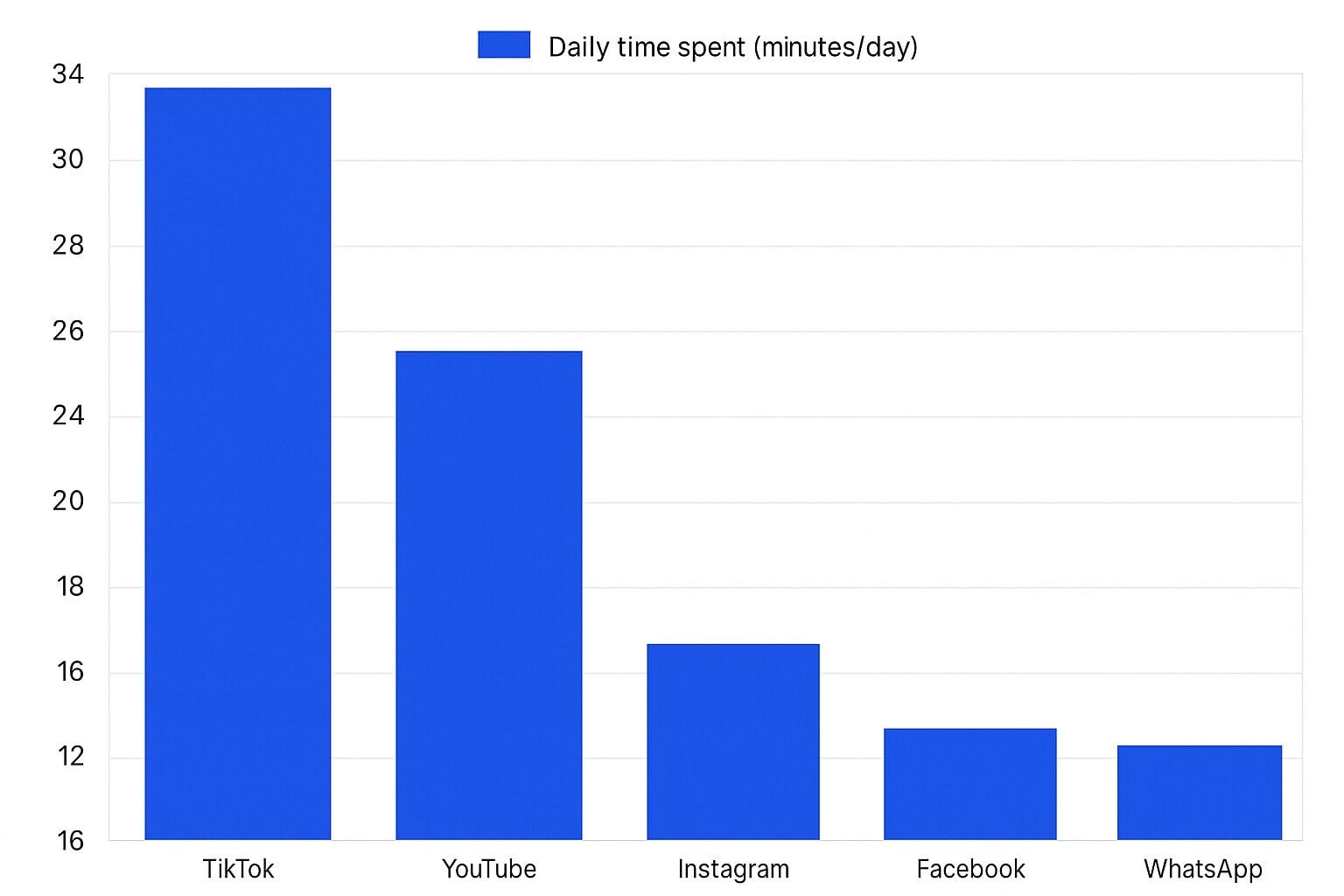
TikTok delivery is an optimization engine. It allocates budget toward pockets of traffic that reliably hit your chosen event. That only works when signals are accurate, timely, and consistent enough to reduce attribution noise.
The biggest lifts usually come from tightening fundamentals: conversion tracking, clean event mapping, stable optimization events, and enough event volume to move past learning volatility. Creatives then act as multipliers by improving engagement and conversion rate, but they are not the control knob for algorithm confidence.
In practical terms, signals impact:
Attribution confidence (can TikTok connect exposure to conversion), audience discovery (how fast it finds converters before saturation), bidding efficiency (how tight it can hold CPA control), and budget scaling (whether performance holds when you allocate more spend).
How to build a signal first TikTok Ads setup
A signal first approach starts by defining the business outcome you will pay for, then making that outcome unambiguous in tracking. Your goal is to remove ambiguity so the system learns faster with less wasted spend.
A practical signal checklist you can implement this week
- Choose one primary optimization event per campaign (for example, Purchase or Complete Payment) so learning is focused and comparable across ad sets.
- Validate Pixel and Events API coverage to improve match quality and reduce data loss from browser restrictions, which strengthens optimization feedback.
- Deduplicate events (Pixel plus server) so TikTok does not overcount conversions and chase the wrong audience signals.
- Standardize event parameters like value, currency, and content IDs to enable smarter bidding and clearer reporting.
- Protect learning with stable budgets and avoid frequent edits that reset optimization; let the algorithm accumulate consistent outcomes.
Once the foundation is in place, use creatives with intent. Each concept should test a funnel hypothesis and target a constraint you can measure. Proof to lift add to cart rate. Offer clarity to lift purchase completion. That keeps creative testing aligned to signal strength instead of compensating for signal decay.
To sanity check signal quality, look for: stable event volume, consistent attribution patterns, and lower cost per result without constant resets. If you have to swap creatives daily just to keep CPA from breaking, that is usually a signal problem presenting as a creative problem.
Common mistakes that sabotage signals
Most underperformance comes from avoidable setup and process gaps. These issues confuse delivery, create misleading reporting, or starve campaigns of clean learning data.
- Optimizing for the wrong event (like View Content) when the real business goal is Purchase, which trains delivery toward low intent traffic.
- Fragmenting data across too many campaigns or ad sets, preventing any single pocket from reaching meaningful conversion volume.
- Inconsistent attribution windows or frequent reporting changes, making it hard to judge whether changes improved performance.
- Editing live ad sets repeatedly, which can reset learning and cause performance volatility that looks like “creative fatigue.”
- Broken or delayed tracking, where conversions fire late or not at all, weakening the feedback loop TikTok needs to optimize.
The result is predictable. TikTok cannot find or hold the right audience efficiently, costs rise, and teams respond with more creative volume and shorter iteration cycles. Treat tracking and event design as performance infrastructure, not a one time checklist.
Advanced ways to improve and scale with better signals
Once basics are correct, scaling becomes a question of expanding what TikTok can learn without adding noise. You want stronger conversion quality signals and volume stability while you increase budget allocation.
Actionable upgrades that consistently move performance:
- Use value based optimization when you have reliable purchase values, so the system prioritizes higher value buyers instead of only chasing volume.
- Consolidate thoughtfully by merging overlapping ad sets and reducing unnecessary segmentation, which concentrates learning and improves delivery consistency.
- Control for offer and landing page changes by sequencing tests; isolate one variable so you can attribute gains to the right lever.
- Build a signal ladder if purchases are too sparse: optimize for Add to Cart first, then graduate to Purchase once volume supports it.
- Measure incrementality with holdouts or platform experiments when possible to confirm TikTok is driving net new conversions, not just capturing demand.
As you scale, keep the feedback loop tight. Watch event match quality, conversion delay, and the ratio of upper funnel to lower funnel events. When those drift, performance usually follows. Stable optimization goals plus clean tracking typically outperform constant creative churn, even with strong creative.
TikTok Ads wins are not mysterious. When signals are clear, consistent, and prioritized correctly, delivery finds buyers efficiently and improves over time. Creative remains essential, but it performs best when the learning loop is healthy.
If you want TikTok to perform more predictably, start by upgrading measurement and optimization signals, then test creatives as structured hypotheses. For help auditing your tracking, events, and campaign architecture, Contact us