
The Myth of Unlimited Scaling in Paid Traffic
Why unlimited scaling fails in real ad accounts. Learn scaling constraints, CPA control guardrails, creative velocity, incrementality checks, and budget pacing.
The promise of unlimited scaling in paid traffic is a persistent myth in performance marketing. It reads clean in a spreadsheet. If ads are profitable today, add budget tomorrow. In real accounts, every setup hits constraints, some obvious like budgets and audience size, and some hidden like auction pressure, creative fatigue, and ops capacity.
Calling that out is not pessimism. It is margin protection. The goal is not endless spend. The goal is repeatable scaling that keeps unit economics intact while you expand reach and volume stability.
This article breaks down where the myth comes from, what actually limits scale, and how to approach growth with measurement discipline, creative systems, and channel diversification.
Why “Unlimited Scaling” Breaks in Real Ad Accounts
Paid platforms are auctions. As you raise spend, you move from the most efficient pockets of demand into higher cost inventory. You see it in rising CPMs, softer CTR, and weaker conversion rates. The pattern is consistent. Performance holds, then deteriorates once you push past the account’s efficient spend threshold.
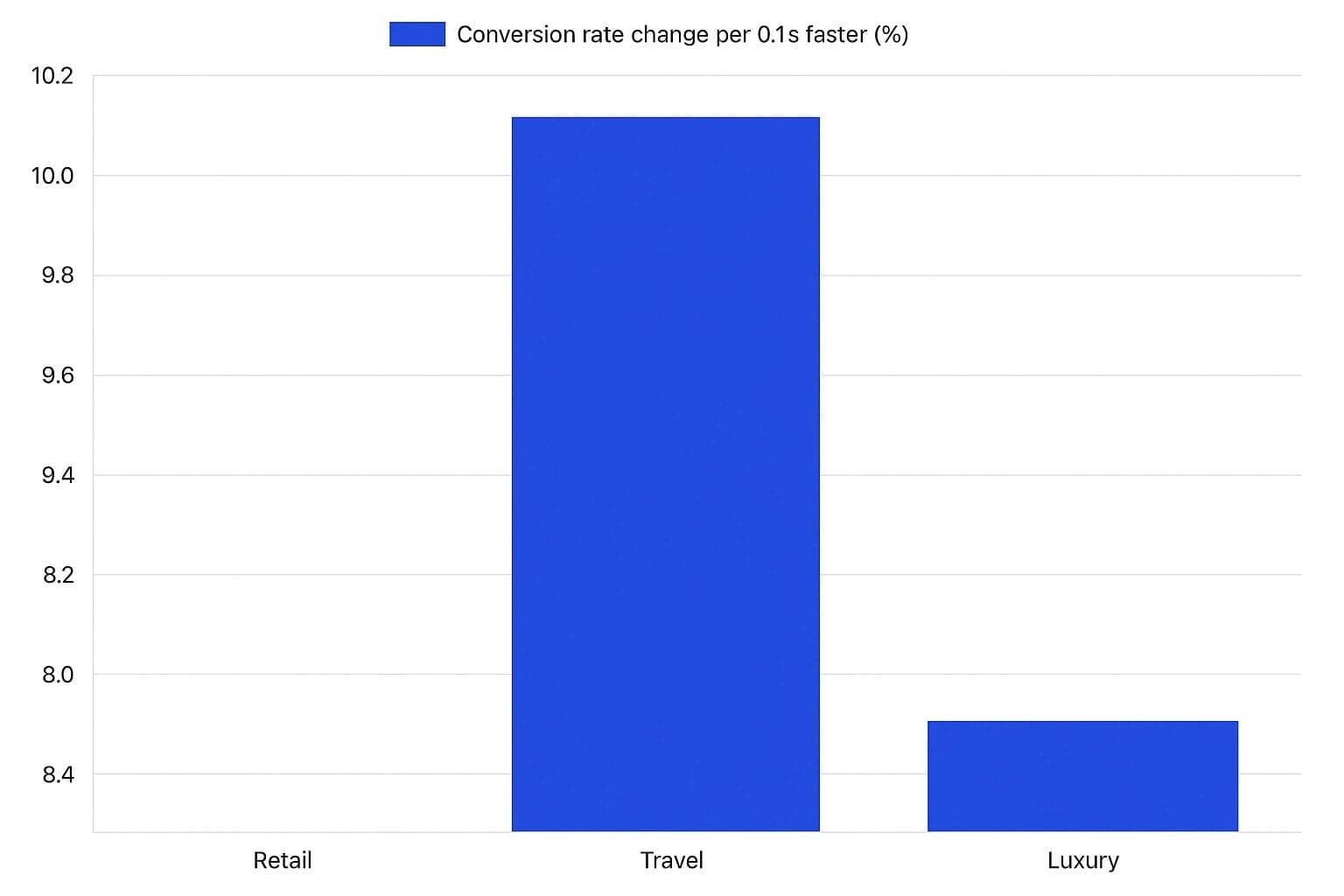
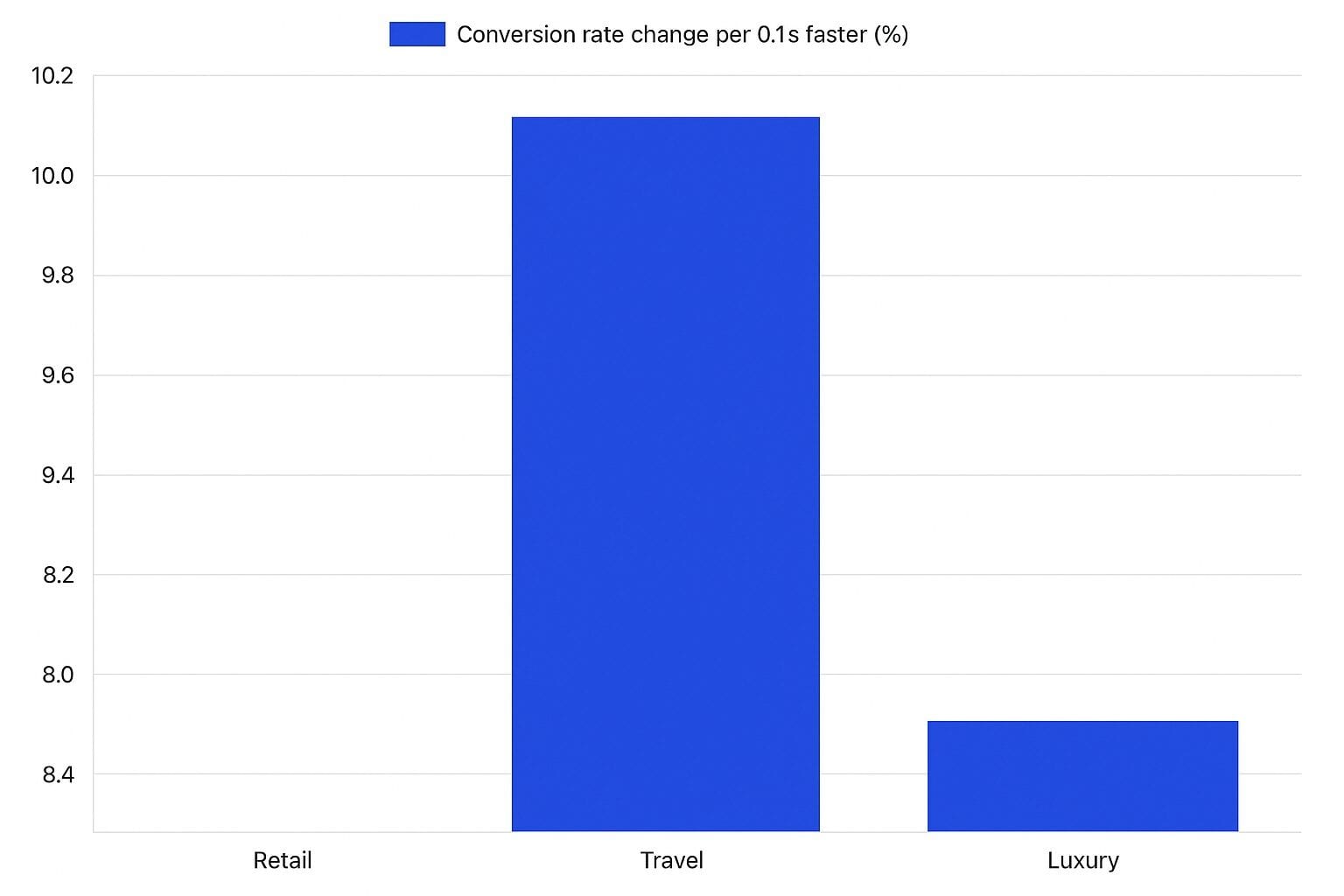
Scale also exposes what happens after the click. If site speed, landing pages, offer, and sales follow up are not built for higher volume, conversion friction increases. Campaigns that look stable at lower spend can fall apart when the funnel cannot absorb traffic without leakage.
Attribution is another hard ceiling. Privacy changes, modeled conversions, and cross device behavior create attribution noise. Without a plan to validate incrementality, it is easy to confuse reported performance with real lift. Confidence in measurement is a scaling constraint just like audience saturation.
How to Scale Paid Traffic Without Killing Profit
Scaling is expanding volume while managing trade offs: auction costs rise, audiences broaden, and creative demand increases. The clean approach is layered scaling. Prove one layer with data, then allocate more. That is how you protect profit while increasing budget allocation.
A practical scaling checklist that holds up under pressure
- Define a scaling guardrail: set allowable ranges for CPA, MER, or contribution margin so budget increases are tied to profitability, not optimism.
- Increase budgets in controlled increments: test 10 to 25 percent lifts with clear read windows so you can separate volatility from real performance shifts.
- Segment by intent: keep separate structures for prospecting and retargeting to avoid overspending on low incremental audiences.
- Build creative velocity: plan a weekly pipeline of new angles, hooks, and formats to prevent creative fatigue from becoming your scaling ceiling.
- Validate post click performance: monitor landing page speed, form completion, checkout errors, and lead quality as spend rises to catch funnel bottlenecks early.
To evaluate whether scaling is real, focus on metrics that indicate business impact. If blended results worsen while platform reported ROAS looks stable, you may be buying conversions that would have happened anyway. Treat scaling as experiments where the default question is simple. Does higher spend create incremental revenue at an acceptable cost?
Common Mistakes That Make Scaling Feel “Impossible”
The myth of unlimited scaling is reinforced by avoidable mistakes. Teams mistake short term wins for a permanent unlock, then overreact when performance regresses to the mean. Others keep forcing spend into the same audiences until frequency climbs and efficiency collapses. The fix is not to stop scaling. The fix is to respect the constraints and build systems around them.
Watch for these high impact risks:
- Chasing platform ROAS only: relying on in platform reporting without checking blended performance can hide waste and inflate confidence.
- Over expanding budgets too fast: sudden jumps can reset learning, spike CPMs, and create noisy data that leads to bad decisions.
- Neglecting offer and funnel: if conversion rate drops as traffic increases, the constraint is often the landing page, pricing, or sales follow up, not the ads.
- Recycling the same winners: winning ads decay. Without fresh creative inputs, your best campaigns become your biggest drag.
- Ignoring customer quality: scale that brings lower LTV customers can look fine short term and fail over 60 to 90 days.
The consequence is predictable. You hit a wall, assume the platform is saturated, and conclude scaling is impossible. More often, the issue is a missing system for testing discipline, creative production, measurement integrity, or iteration cycles.
Advanced Ways to Raise Your Scaling Ceiling
There is no unlimited scaling, but there is a higher ceiling when you expand what you can test and what you can support operationally. Strong advertisers treat scale as a portfolio problem: multiple channels, multiple audiences, multiple creative concepts, and multiple offers. That reduces dependence on a single auction pocket and improves volume stability.
Actionable improvements that increase scalable volume:
- Run incrementality checks: use holdouts, geo tests, or time boxed experiments to verify that higher spend produces net new revenue, not just attributed conversions.
- Optimize for contribution margin: tie bidding and budget decisions to margin after COGS, shipping, and refunds so profitable scale is mathematically real.
- Expand creative inputs, not just outputs: build a library of customer objections, testimonials, and use cases to generate new concepts that sustain performance longer.
- Diversify acquisition paths: add channels like search, YouTube, affiliates, or creator whitelisting to reduce auction dependency and unlock new demand pools.
- Engineer the post click journey: improve page speed, reduce steps, add reassurance elements, and align ad to page messaging to lift conversion rate as traffic broadens.
- Build a scaling cadence: weekly creative launches, biweekly landing page tests, and monthly channel experiments create a system that compounds.
Separate spend ability from growth ability. You can always force spend. Sustainable scaling requires that your data feedback loop and creative engine keep pace with auction pressure, signal decay, and testing velocity.
The myth persists because it is easier to sell than the truth. Real growth comes from identifying constraints, expanding efficient demand, and tightening the funnel that turns paid attention into revenue.
If you want a scaling plan that protects margin, validates incrementality, and builds a repeatable creative and testing system, Contact us