
Speed vs Sustainability in Media Buying: The Smart Tradeoff
Balance speed and sustainability in media buying using guardrails, testing cadence, and scaling sequence to control CPA volatility and protect stable volume.
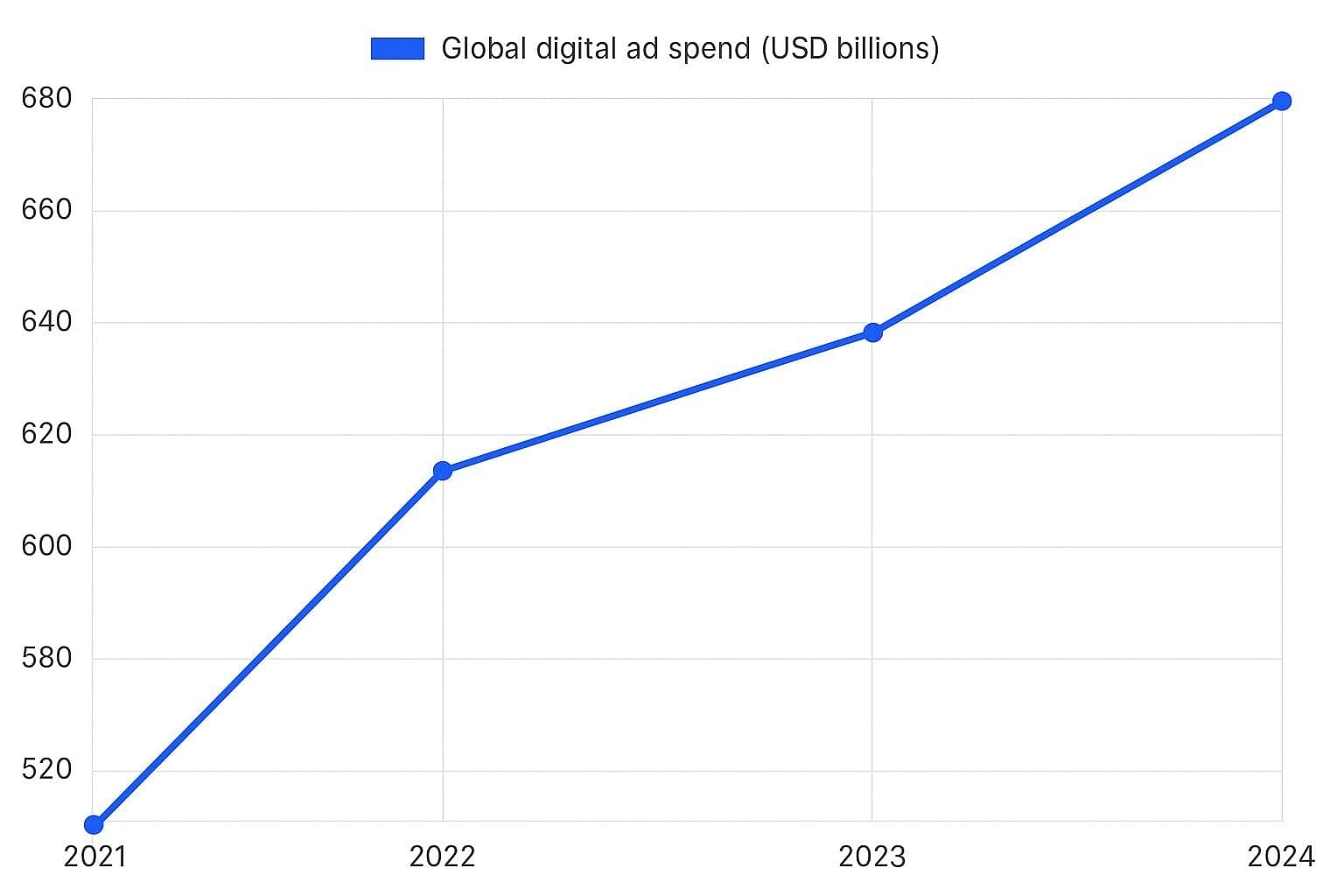
Performance marketing rewards fast decisions. Auctions can shift within hours and creative fatigue can show up in days, so teams default to velocity: launch fast, test hard, then chase short term efficiency. The tradeoff shows up just as fast: CPA volatility, unstable volume, noisy learnings, and a pipeline that needs constant hands on control.
Speed is not the enemy. It is an edge when paired with sustainable media buying that protects signal, audience equity, and user trust. The goal is an operating system where iteration cycles stay tight inside guardrails, not at the expense of next month performance.
This breaks down where the tension actually comes from, how to design campaigns that move quickly without breaking learning, and how to tell if you are scaling a durable engine or just renting results from the auction.
Why the speed vs sustainability tradeoff matters
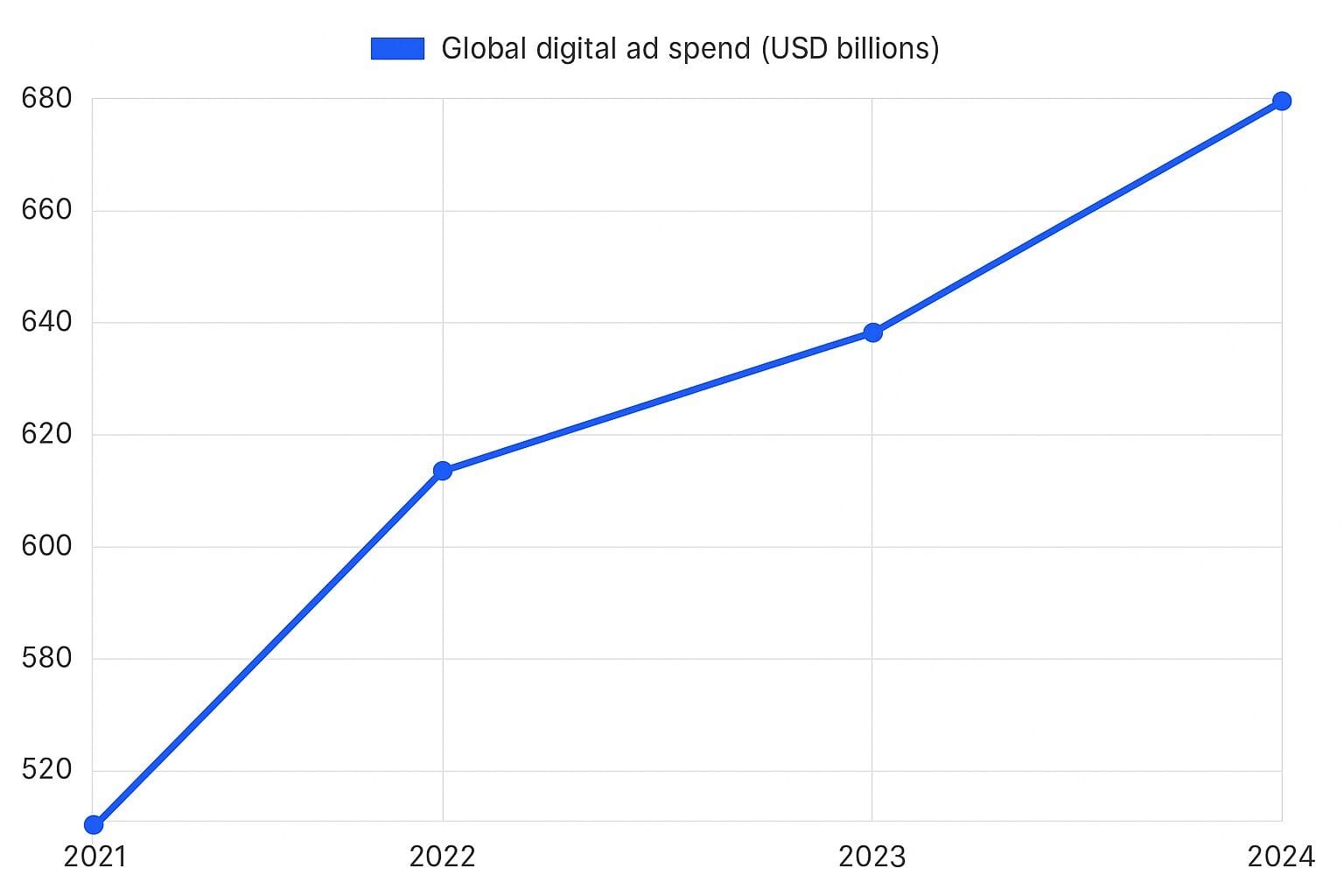
In paid media, speed usually means compressed cycles: quicker launches, faster budget moves, and rapid creative turnover. Sustainability means preserving what compounds: controlled CPA, stable volume, dependable incrementality, and a brand experience that keeps converting next quarter. The friction is that many fast actions inject attribution noise and signal decay.
Frequent structural changes can reset platform learning and fragment data. Overreacting to early readouts creates short termism that rewards volatility. Move too slowly and you sit through creative decay, miss seasonality, and let competitors take share with fresher angles and higher tolerance for testing velocity.
The durable approach is simple. Move fast where the system can absorb change, and stabilize what should change slowly. Treat campaign architecture as the foundation, and treat creative iteration as the lever you pull most often.
How to move fast without sacrificing sustainability
Sustainable speed comes from a repeatable operating cadence. You should know what can change daily, weekly, and monthly, and what evidence earns the right to act. That keeps decisions fast without self inflicted resets.
A practical framework for sustainable speed
- Set decision thresholds before launch: define minimum spend, attribution window, and confidence rules so you do not optimize on underpowered data. Premature changes distort learning and inflate CPA swings.
- Lock the structure, iterate the creative: keep core campaigns and conversion events stable, and run more frequent creative tests inside them. This preserves historical signal while you respond to fatigue and trend shifts.
- Use budget guardrails: cap daily budget changes and reserve bigger reallocations for a set cadence. This reduces algorithm shock and improves volume stability.
- Build a testing queue tied to hypotheses: every test states what changes, why it should work, the success metric, and the evaluation window. This prevents random activity that produces non portable wins.
- Separate exploration from exploitation: commit a fixed percentage of spend to testing new audiences, offers, or channels, while protecting a core budget for proven segments. This keeps learning compounding instead of constantly restarting.
Evaluate the balance by tracking efficiency and stability together. If CPA improves but week to week variance spikes, you are buying speed with fragility. If results look stable but trend down, your testing velocity is too low.
Common risks and mistakes that create false speed
Plenty of teams are busy but not effective. The line is whether rapid changes produce durable learning or only temporary auction wins.
Over optimizing too early is expensive. Killing ads or audiences before they clear learning biases you toward false negatives and forces the system to relearn. Require a minimum conversion count or spend threshold, then make changes in batches.
Constant campaign rebuilds also kill sustainability. Rebuilding to chase a lower CPM or a brief CPA dip destroys reporting continuity and makes incrementality harder to read. Change structure only for strategic reasons such as a new product line, a new geo, or a material shift in offer strategy.
Ignoring landing page and offer friction is another trap. If the funnel leaks, the auction punishes you with higher costs and lower scale. Buying faster cannot compensate for slow conversion paths.
Finally, watch measurement blind spots. In platform attribution that looks clean can hide a declining new customer mix or a drift toward branded demand. Sustainability requires measurement that matches business reality, not dashboard comfort.
Optimizing for compounding performance over time
Once guardrails are in place, the job is engineering compounding gains. Compounding happens when each cycle produces portable learnings: creative themes that travel across channels, audience insights that sharpen messaging, and funnel improvements that lift every campaign.
- Design creative systems, not one off ads: build a pipeline of angles, hooks, and proof points, then rotate variants on purpose. Sustainable growth depends on continuous relevance without chaotic reinvention.
- Measure stability alongside efficiency: track week over week CPA variance, spend concentration risk, and creative fatigue rate. This flags when wins are fragile and likely to collapse under scale.
- Optimize for incrementality: run holdouts, geo experiments, or channel lift tests when feasible. Sustainable media buying improves true lift, not just attributed conversions.
- Invest in first party data readiness: strengthen event quality, consented data capture, and server side signals where appropriate. Better signals improve bidding quality and reduce dependency on short lived targeting tactics.
- Plan scaling steps: scale by adding new creatives, then expanding placements, then increasing budgets, then broadening audiences. This sequencing limits disruption and helps isolate what caused the change.
As you mature, treat speed as a capability, not a reflex. The best teams move quickly because they have operational discipline: clear naming conventions, reliable reporting, consistent experiment design, and documented learnings that prevent repeated tests.
The tradeoff between speed and sustainability in media buying is not growth versus caution. It is design. Decide what stays stable, what can change rapidly, and what evidence earns the right to scale. Do that and you can iterate quickly without sacrificing durability.
If you want a media buying system that delivers fast learning while protecting long-term performance, Contact us