
Meta Ads After Tracking Loss. New Optimization Signals
Meta Ads after tracking loss. Use Conversions API, higher event match quality, value signals, and lift tests to stabilize CPA and scale with control.
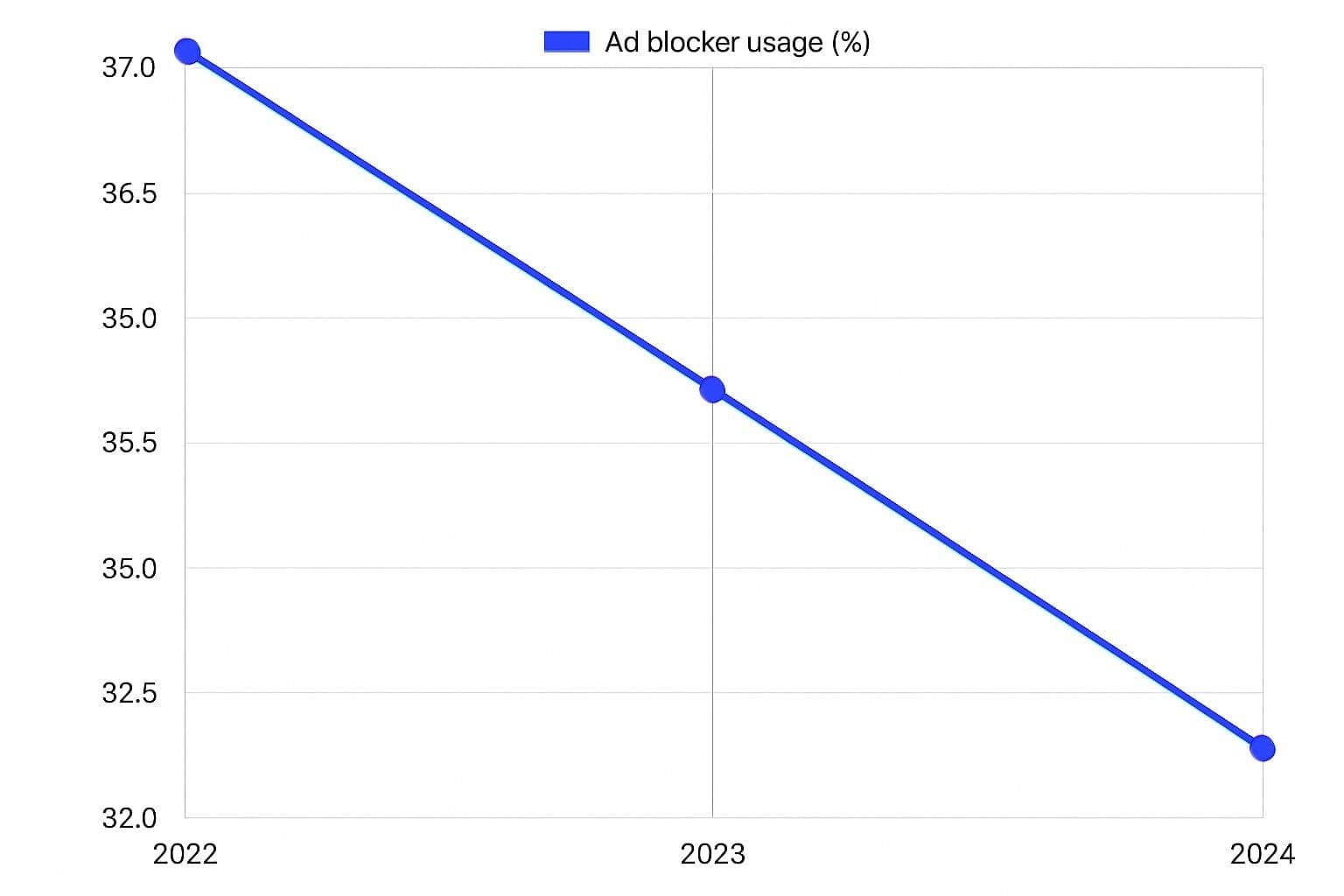
Meta Ads is being rebuilt around a simple reality. You cannot optimize what you cannot reliably observe. With third party cookies fading, iOS privacy changes holding, and consent requirements tightening, most accounts are seeing weaker attribution, noisier reporting, and slower iteration cycles.
The opportunity is that Meta has not stopped optimizing. It shifted toward new signals and better modeling. In a tracking limited world, performance comes from feeding the platform high quality owned signals, tightening event quality, and validating with incrementality minded measurement instead of chasing last click certainty.
This article breaks down which new optimization signals matter, how to operationalize them, and what to change in your account so delivery stays stable even when user level tracking is incomplete.
Why optimization signals matter more than attribution now
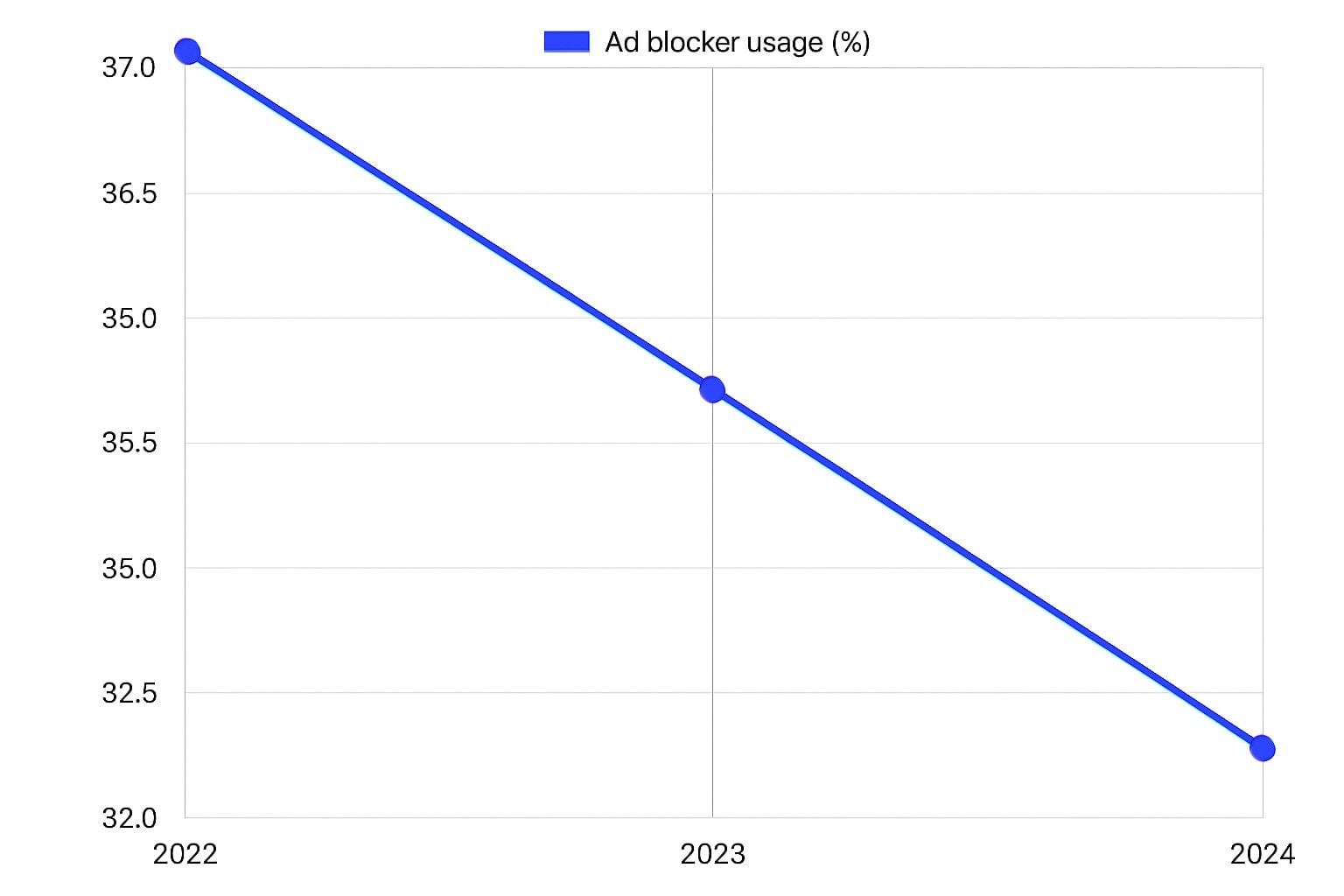
Reporting is no longer ground truth. Ads Manager is a model of reality built on aggregated and privacy safe inputs. That makes input quality a core lever for CPA control, volume stability, and scaling constraints.
Your job is less audience micromanagement and more signal management. Give Meta clean conversion signals at enough volume to learn. When signals decay or fragment, Meta drifts into proxy behaviors, placement bias, and longer learning phases. When signals are consistent, it can still find intent pockets even with attribution noise.
The signals that move the needle now are server side events via Conversions API, the conversion event you choose to optimize, event match quality, and value based inputs like purchase value, lead quality, and downstream outcomes.
How to implement the new signals in practice
To make Meta work with limited tracking, prioritize signal continuity. The system needs a dependable stream of conversion feedback that matches how you allocate budget. This is technical setup, measurement choices, and campaign design working as one.
A practical signal stack to prioritize
- Implement Conversions API alongside the pixel to stay resilient when browsers and devices block client side tracking.
- Use Event ID deduplication so browser and server events do not double count, protecting optimization integrity.
- Improve event match quality by sending hashed identifiers like email and phone with consent, increasing Meta’s ability to connect events and learn.
- Verify and prioritize events in Events Manager so your most important conversions like purchase and qualified lead are eligible for optimization.
- Optimize for the deepest event you can support at sufficient volume. If purchases are too few, step down to an intent event temporarily, then graduate back.
Evaluation matters as much as setup. After changes, compare performance over stable windows like two to four weeks and watch learning stability, cost per result, and lead or purchase quality. If reported conversions rise but revenue does not, your signals are not aligned with business outcomes.
One high impact action is to connect downstream outcomes back to Meta. For lead gen, send offline conversions that represent qualified leads or closed won deals, not just form submits. That tightens the feedback loop and reduces the tendency to scale cheap, low intent leads.
Common mistakes and hidden risks in a post tracking setup
Most accounts struggle because inputs are inconsistent or measurement rewards the wrong behavior. These issues are what drive volatility, stalled testing velocity, and uneven spend allocation.
Optimizing to the wrong event scales noise fast. If you optimize for Lead when a large share is uncontactable, Meta will find more of the same. Underpowered conversion volume also creates unstable delivery. If you cannot maintain enough conversions per week, the system leans into cheaper actions that do not protect CAC.
Another risk is misreading attribution during creative refreshes or budget changes. With modeled reporting and delays, short evaluation windows cause premature pauses and constant learning resets. If you keep switching conversion locations, attribution settings, or events, you turn optimization into a moving target.
- Do not judge performance solely by last click. Use blended KPIs like MER or CAC trend lines to avoid cutting campaigns that are driving incremental revenue.
- Avoid frequent structural edits like constant new ad sets and big budget swings that reset learning.
- Do not over segment audiences. Fragmentation reduces data per ad set and weakens optimization signals.
- Watch for duplicate events and inconsistent purchase values, which trains the algorithm on false feedback.
Compliance and consent matter. Sending more data is not the goal. Sending consented, accurate owned data is. Weak consent handling creates legal risk and also degrades match quality when opt outs vary across touchpoints.
Advanced optimization: improving signal quality and scaling safely
Once the foundation is stable, gains come from richer signals and less distance between Meta’s optimization target and your real KPI. Move from counting conversions to optimizing outcomes.
Pair Meta automation with your own feedback loops. For ecommerce, send accurate purchase value, currency, and product identifiers so Meta can optimize with value signals, not just conversion counts. For lead gen, map leads into tiers and feed back which tiers become revenue. You will get better stability when you replace a binary event with a more informative one.
Use these improvement levers to scale with control:
- Adopt value based optimization where eligible to prioritize higher value customers, not just more customers.
- Run conversion lift or geo holdout tests to validate incrementality when attribution is uncertain.
- Build creative that pre qualifies with pricing, eligibility, and expectations so conversion events represent real intent and reduce junk volume.
- Strengthen your landing page funnel to reduce drop off. Better completion rates give clearer optimization feedback and reduce CPA swings.
- Use broad targeting with strong creative testing to avoid data fragmentation while letting the system find demand pockets.
- Align CRM stages to ad objectives so success in Meta maps to pipeline movement and not just form fills.
To evaluate progress, track platform metrics and business outcomes together. Watch cost per result, conversion rate, and frequency inside Meta, plus revenue, margin, and lead to sale rate outside Meta. When these move together, your optimization signals are aligned. When they diverge, fix signal integrity before you scale spend.
Meta Ads can still perform in a tracking limited world, but winners treat measurement as an ecosystem. Invest in owned data, consistent conversion definitions, and feedback tied to real outcomes. That is how you protect performance while attribution stays noisy.
The practical takeaway is to prioritize signal quality over reporting perfection. Implement server side tracking, choose the deepest measurable conversion with adequate volume, and validate results with incrementality aware methods. Done well, automation becomes more dependable because it is trained on better inputs.
If you want help auditing your signal stack, improving event quality, or designing a measurement plan that holds up under privacy changes, Contact us