
Media Buying Teams vs Solo Buyers: Who Scales Faster?
Compare media buying teams vs solo buyers on scaling speed, testing velocity, creative fatigue, CPA control, and accountability, with practical guardrails.
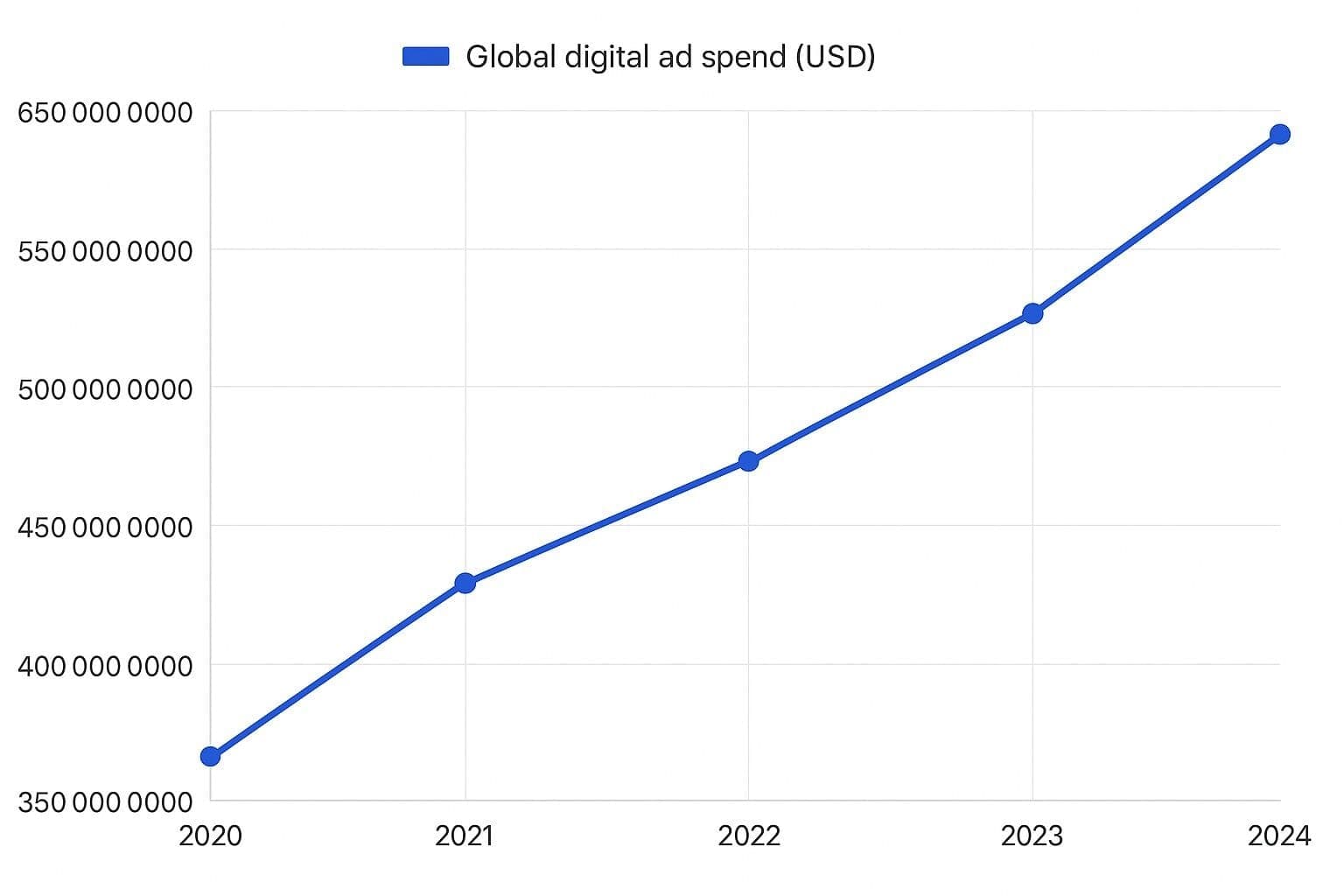
Scaling performance marketing rarely fails because you ran out of tactics. It breaks when the operating model cannot keep up. Media buying teams vs solo buyers comes down to repeatability, risk control, and decision velocity as spend, channels, and creative volume climb.
A strong solo buyer can print margin early when one platform and one offer are working and signal is clean. As complexity rises, that same setup becomes a constraint. A team adds capacity, but only if roles, process, and accountability prevent noise, duplicated tests, and wasted budget.
This guide compares both approaches through the lens of scalability: where each model wins, what breaks at higher spend, and how to build a system that grows without relying on heroics.
What “scales” in media buying actually means
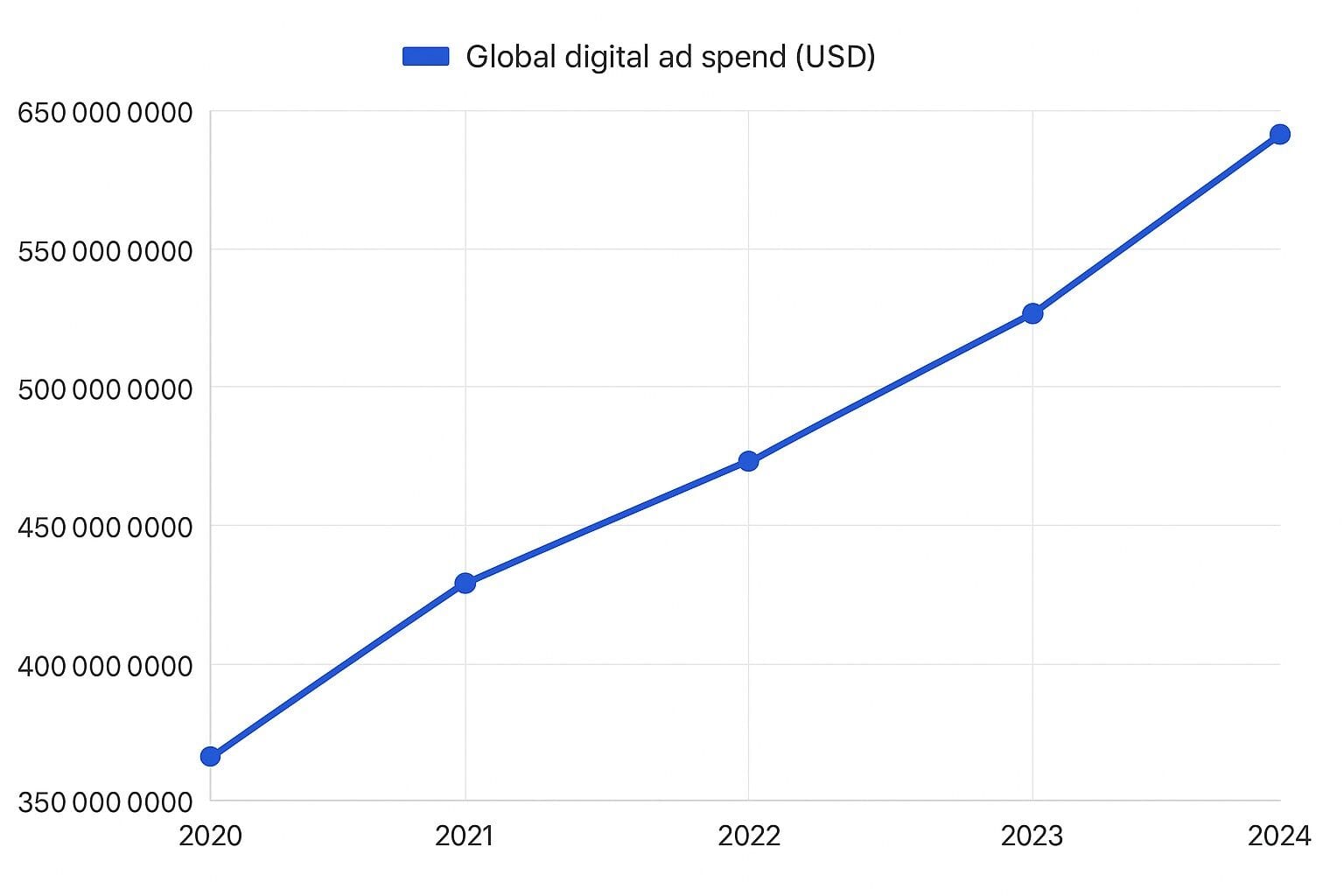
Scaling is not just pushing budget. It is growing spend while protecting unit economics and maintaining CPA control and volume stability. That takes a system that reliably produces winning inputs: creative volume, testing velocity, and fast feedback loops from data, even with attribution noise.
A solo buyer scales through personal throughput: they launch tests, manage budget allocation, and tighten CPA day to day. The ceiling is time, attention, and cognitive load. A team scales through specialization and parallel work: one person owns execution and pacing, another owns analysis and learning capture, another owns creative direction. The ceiling becomes coordination and clear ownership.
To evaluate which model scales better for your account, track three signals:
1) Throughput (meaningful tests per week), 2) Quality (how often tests produce transferable learnings, not one off wins), and 3) Resilience (how fast you recover from signal decay, creative fatigue, audience saturation, tracking drift, or platform shifts).
How to choose the right model using a practical framework
The right operating model depends on stage and constraints. Decide based on workload and risk, not ego or headcount.
A simple scale readiness checklist
- Channel scope: If you are moving beyond one primary platform, a team usually scales better because execution, QA, and reporting multiply fast.
- Creative demand: If performance depends on weekly iteration cycles, you need creative production alignment that a solo buyer struggles to sustain alone.
- Account complexity: Multiple brands, geos, or funnels favor a team due to parallel testing and cleaner segmentation.
- Tracking and attribution: If measurement is messy, a team with a clear analytics owner improves decision accuracy and reduces budget drift.
- Operational risk tolerance: If one person being sick, leaving, or burning out would stall spend, the solo model is a scaling risk.
Once you pick a direction, implement it with deliberate structure. Here are actionable moves that improve outcomes in either model.
- Define one scaling KPI and one guardrail KPI: For example, scale on contribution margin while guarding MER. This prevents growth that is actually margin leakage.
- Standardize test design: Require every test to document hypothesis, variable, duration, and success threshold. This turns spend into reusable learning, not noise.
- Time box optimization: Set fixed windows for analysis and changes, for example two optimization passes per day. This protects signal quality and reduces burnout driven tinkering.
- Create a weekly creative pipeline: Lock a minimum number of new concepts and iterations per week. This matters because creative fatigue is often the real scaling ceiling.
If you are building a team, do not hire more buyers first. Start by separating execution from thinking: one person owns launch, QA, and pacing, another owns insights, attribution sanity checks, and learning capture. That split alone often increases testing velocity without increasing spend.
Risks and mistakes that prevent scaling in both models
Both solo buyers and teams fail in predictable ways. Fix the operating system, not just the ads.
For solo buyers, the biggest risk is hidden fragility. Performance depends on one brain and one schedule, so reporting slips, experiments slow, and quick fixes replace structured testing. When an offer stalls or a platform changes, recovery takes longer because the buyer is also the analyst, project manager, and creative strategist.
For teams, the biggest risk is diffused accountability. When multiple people touch campaigns, it is easy to lose a single source of truth for naming, budgets, exclusions, and learnings. The result is duplicated tests, inconsistent optimization, and expensive internal debate while CPA drifts.
Watch for these scaling killers and address them immediately:
Unclear ownership (no one owns results end to end), metric mismatches (different people optimizing to different targets), creative and media misalignment (ads shipped without performance context), and overreaction to short term data (changes made before the signal is mature).
A practical fix that works in both models is a single weekly learning review where only validated insights are recorded. Keep a shared log of what worked, what failed, and why. This reduces repeat mistakes and tightens future iteration cycles.
How teams and solo buyers can scale smarter over time
Scaling gets easier when you treat media buying as a production system. The goal is more high quality experiments while protecting the business from volatility. Whether you are solo or a team, invest in mechanisms that increase speed with control.
Advanced improvements that tend to unlock the next tier of spend:
- Build a creative testing matrix: Separate concept, hook, offer framing, and format. This isolates what drives performance and prevents random iteration.
- Implement budget pacing rules: Predefine when to scale, hold, or cut based on lagging and leading indicators. This removes emotion and improves consistency.
- Create a “golden” campaign structure: Use consistent naming, audiences, and placements for comparable tests. This improves analysis and reduces operational errors.
- Use incrementality checks: Periodically test holdouts or geo splits where possible. This keeps attribution honest, especially at higher spend.
- Separate exploration vs exploitation: Allocate a fixed percent of spend to new tests and keep the rest on proven winners. This balances stability and discovery.
If you are a solo buyer aiming to scale, your highest leverage move is to offload repeatable tasks first: reporting automation, creative trafficking, and documentation. That frees capacity for strategy, hypothesis generation, and cleaner budget allocation. If you lead a team, your highest leverage move is operational clarity: one owner per KPI, one process for tests, and one shared source of truth for learnings.
Media buying teams vs solo buyers is not a talent debate. It is a decision about which system matches your current complexity. Solo buyers often win on speed early. Teams win when creative volume, multichannel execution, and measurement complexity demand parallel work and tighter controls.
The scaling winner is the model that protects learning quality while increasing testing capacity. If results depend on heroic effort, scaling will stall. If the system produces repeatable inputs and clear accountability, you can raise spend with confidence and keep risk contained.
If you want help choosing the right structure, setting up roles and processes, or building a repeatable testing engine for profitable growth, Contact us