
Media Buying Margins. How Agencies Actually Make Money
How agencies earn margin in media buying. fees, markups, rebates, tech stacks. Audit invoices vs platform spend and align incentives to protect CPA control.
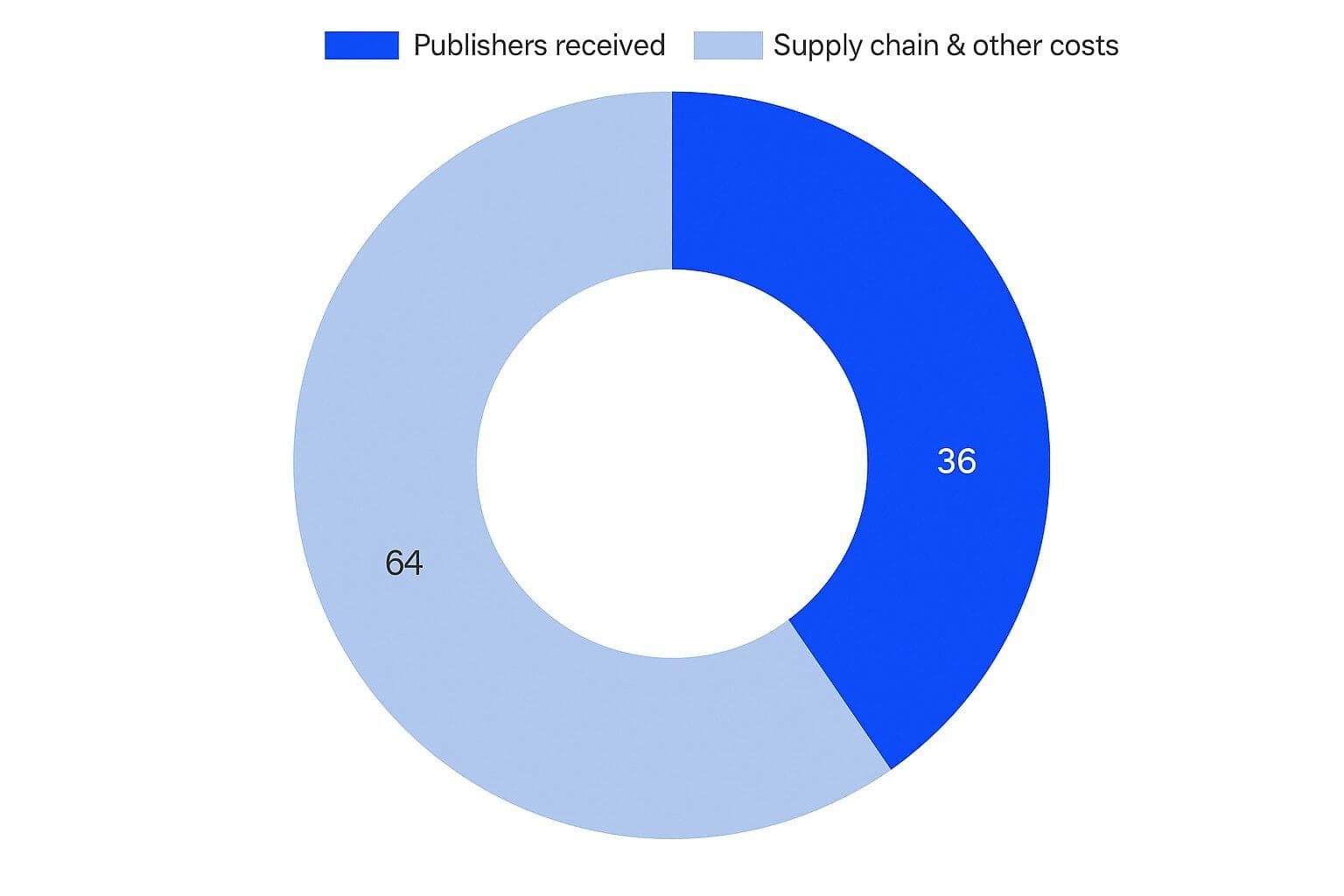
Media buying margins feel opaque because they rarely appear as a clean line item. Most brands assume the agency makes a percent of spend. Most agencies talk strategy, execution, and performance, while the invoice stays blended.
In reality, there are multiple monetization paths. The difference between a fair model and a bad one is transparency, incentive alignment, and whether you can reconcile dollars from invoice to platform to bank.
This breaks down where agencies actually make money in media buying, how to separate legitimate margin from hidden markup, and how to structure agreements that protect both CPA control and trust.
What “margin” really means in media buying
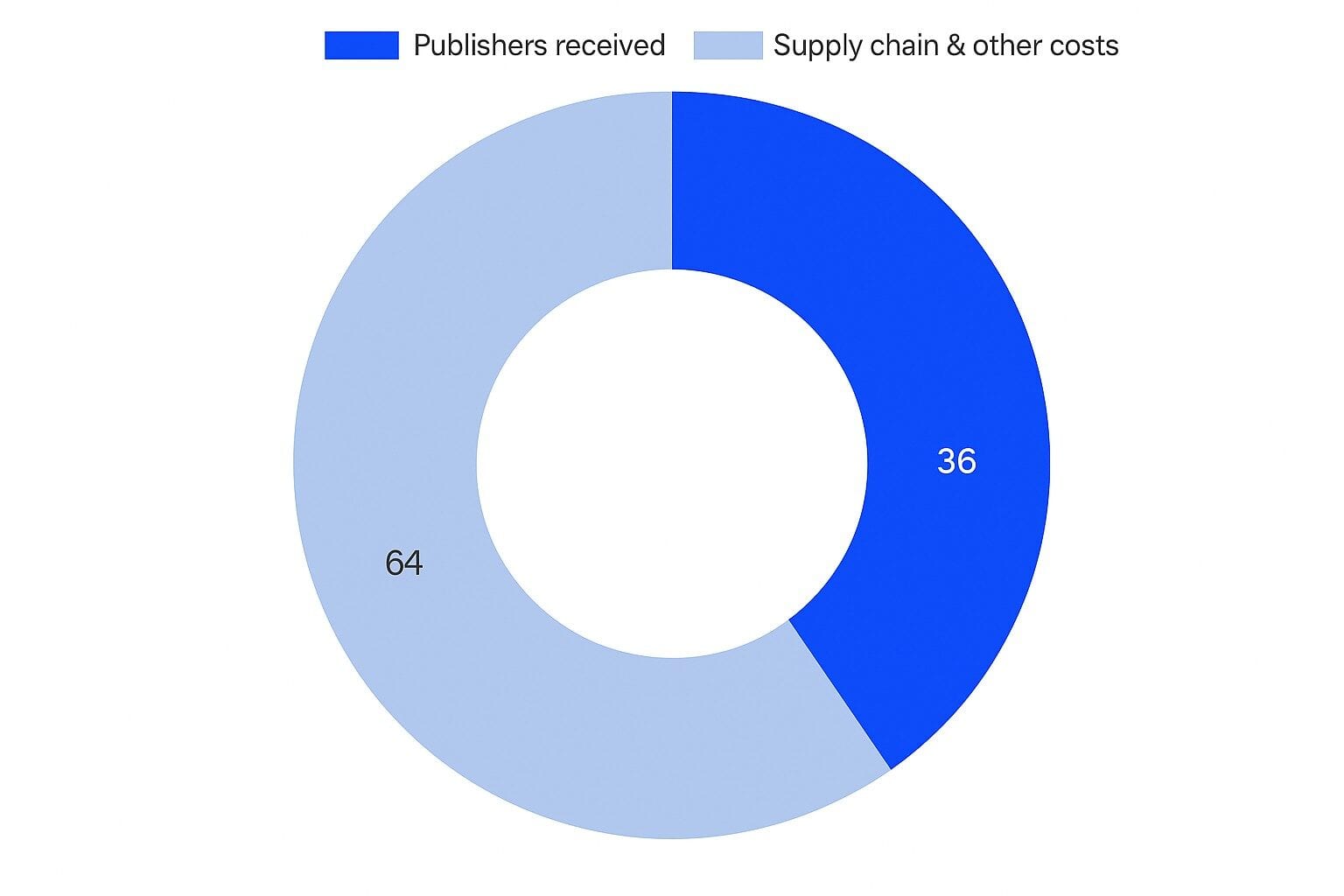
A media buying margin is the spread between what the agency pays, or is charged, and what the client is billed, plus any placement related revenue. It is fine when it covers expert labor, platform fluency, and operational risk. It is a problem when it is created through non disclosed markups, or incentives that steer budget toward less efficient inventory.
Most margin sources fall into three buckets. First, explicit compensation like retainers, management fees, or performance fees. Second, structural differences like agency trading desks, bundled buys, or negotiated rates. Third, indirect monetization like rebates, tech fees, data reselling, or arbitrage. The question is not whether margin exists. The question is whether you can see how it is created, and whether it supports volume stability and iteration cycles instead of fighting them.
Actionable insight: ask for a billing map that separates media cost from service cost. This matters because it lets you compare vendors cleanly and removes the temptation to bury margin inside media lines.
How agencies generate profit in practice
Revenue models vary by channel, search, social, programmatic, retail media, linear TV. The mechanics are consistent. What changes is how quickly you can verify true platform charges, the fee stack, and whether reporting is masking attribution noise or signal decay.
Common compensation and margin structures
- Management fee (percentage of spend or flat): straightforward to audit and easy to benchmark, but can encourage spend growth unless paired with performance KPIs.
- Retainer: stabilizes resourcing and reduces incentive to inflate spend; works best when scope and deliverables are clearly defined.
- Performance fee: aligns incentives when the metric is clean (incremental revenue, qualified pipeline), but can create attribution gaming if definitions are weak.
- Media markup (line item or blended): acceptable only when explicitly disclosed with a clear rationale and verification method.
- Programmatic arbitrage (buy low, sell high): can be legitimate in some bundled offerings, but requires strict rules on disclosure, brand safety, and reporting.
Actionable insight: if the proposal uses a percent of spend fee, require a cap and a tiered rate that steps down as spend increases. This matters because labor does not scale linearly with budget once you hit steady testing velocity and stable pacing.
Actionable insight: insist on platform direct access (Google Ads, Meta, DV360, Amazon Ads) under accounts you own or can fully administer. This matters because it lets you verify spend, change history, bidding edits, and true platform charges without relying on screenshots.
Where margins get hidden and why it hurts performance
Problems show up when the agency controls both the buying mechanism and the reporting narrative. Hidden margin distorts optimization. It can push budget allocation toward what pays the agency, not what improves CPA, incrementality, or scaling constraints.
Common risk areas include undisclosed rebates from publishers or networks, stacked tech fees (DSP, ad server, verification, data) passed through without clarity, and inventory quality issues where cheap placements produce shallow on platform metrics while the business sees weak lift, high refund rates, or fast creative fatigue.
Actionable insight: require contract language that addresses rebates and incentives. Define whether rebates are prohibited, disclosed and credited, or retained with explicit client consent. This matters because rebates quietly bias partner selection and can lock you into inefficient supply paths.
Actionable insight: request a monthly reconciliation that ties invoiced media to platform invoices or publisher bills. This matters because it is the fastest way to catch non disclosed markups and basic overbilling before it compounds.
Actionable insight: audit placement quality using third party verification where appropriate, and review log level data for programmatic when available. This matters because low quality impressions can look efficient in platform reporting while killing incremental lift and compressing your usable audiences through saturation.
How to optimize for fair margins and better results
The best setups let the agency be profitable without bending incentives. When margin is explicit and auditable, the agency can staff properly, maintain iteration speed, and you can scale spend with fewer surprises in performance or finance.
- Separate media and services: demand invoices that clearly distinguish pass through media from agency fees, so you can benchmark and negotiate rationally.
- Define KPIs that resist gaming: prioritize incrementality, profit, or qualified pipeline over vanity metrics, and document attribution rules up front.
- Use a test and learn budget: dedicate a fixed percentage to experiments with success thresholds, so optimization is systematic rather than subjective.
- Adopt fee models that match maturity: early stage brands often benefit from retainers and clear deliverables, while scaled advertisers can add performance components with guardrails.
- Build governance: schedule quarterly business reviews that cover costs, fees, auction dynamics, creative performance, and channel mix, not just top line results.
Actionable insight: implement a simple unit economics dashboard by channel (CAC, contribution margin, payback period). This matters because it forces conversations toward profitability and scaling math, not CPM screenshots or fragile ROAS.
Actionable insight: for programmatic, require disclosure of the full fee stack (DSP, data, verification, managed service) and set an acceptable take rate range. This matters because small percentage fees compound quickly and can erase the advantage of automated buying.
Media buying margins are not inherently bad. They fund specialized operators, tooling, and the operational load of running campaigns at speed. The issue is whether the margin is explicit, auditable, and aligned with the business outcomes you are optimizing toward.
If you can separate media from services, verify platform costs, and structure incentives that reward incremental performance, you can scale with confidence and keep attribution noise from turning into billing risk.
If you want help diagnosing your current setup or redesigning it for transparency and growth, Contact us