
Media Buying in 2026: What’s Changing vs Hype
Media buying in 2026 for practitioners: auction shifts, automation inputs, incrementality checks, creative testing velocity, CPA control, and scaling discipline.
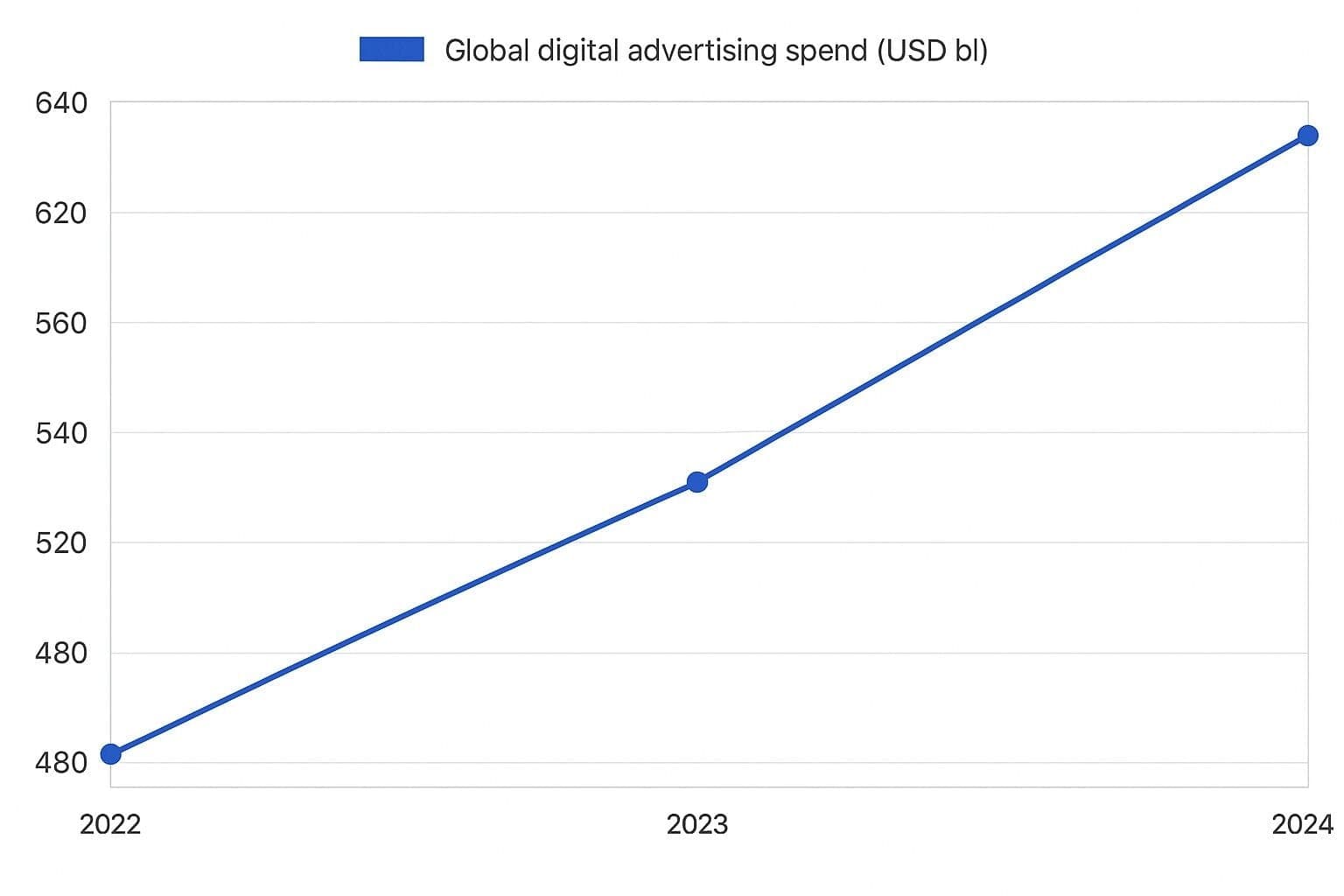
Media buying in 2026 is louder: more automation, more dashboards, more claims that targeting is solved. In the account, the reality is simpler. Winners are not chasing tools. Winners understand what is actually shifting in auctions, measurement, and creative production, then execute cleanly.
The biggest opportunity is clarity. Separate hype from real mechanics and you can keep CPA control, volume stability, and scaling constraints predictable, even as privacy pressure increases, platforms push black box optimization, and inventory quality varies across channels.
This guide breaks down what is actually changing in media buying in 2026, what is mostly marketing, and what to do next with actions you can implement this week.
What’s actually changing in media buying
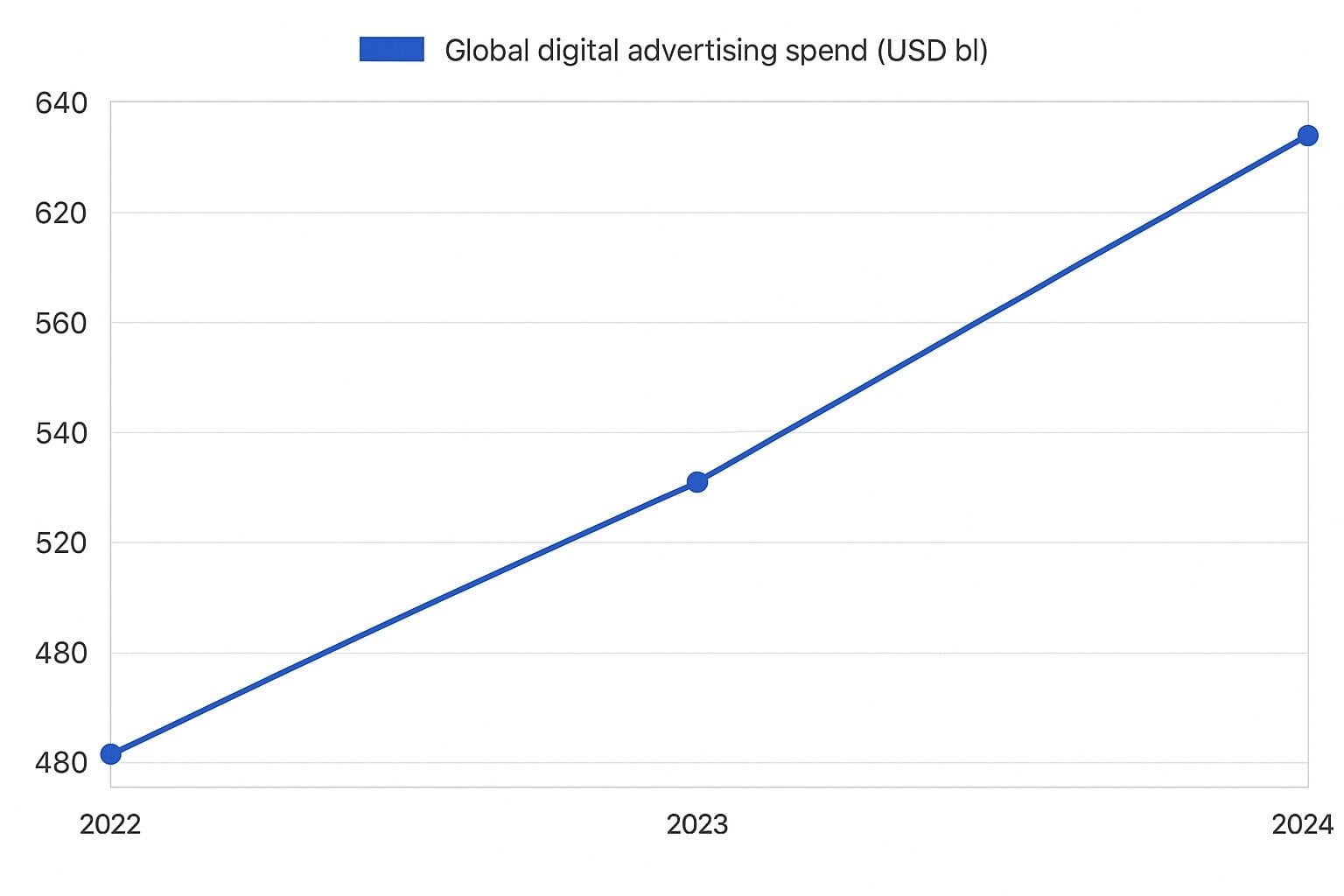
First, the center of gravity keeps moving from finding the perfect audience to building the best signal and creative system. Identity limits do not kill performance, but they change where performance comes from: owned data, cleaner conversion quality feedback, and creative that earns attention despite audience saturation.
Second, platforms are pushing advertisers toward automation first buying because it improves platform efficiency and reduces management overhead. That does not mean you hand over the keys. Control shifts to inputs: conversion definitions, exclusions, creative mix, and pacing rules that prevent waste during exploration.
Third, measurement is moving from fragile last click narratives to incrementality aware measurement. In 2026, durable teams treat attribution as directional and manage attribution noise with experiments and holdouts, especially when blended budgets include upper funnel.
Finally, inventory quality is a bigger differentiator. As more spend moves into automated placements, brand safety and fraud resistance becomes daily buying hygiene, not a quarterly task.
How to operate a 2026 ready media buying process
The goal is a repeatable loop: define outcomes, feed platforms clean signals, test creative with velocity, and validate incrementality. Most teams underperform because they optimize inside the platform without proving the business outcome.
A practical weekly operating loop
- Standardize conversion events by funnel stage (lead, qualified lead, purchase, subscription) so automated bidding optimizes for value, not volume.
- Implement a signal hygiene checklist (dedupe, consistent UTMs, server side tagging where feasible) to reduce noisy feedback that misguides algorithms.
- Run structured creative testing with one variable per test (hook, offer, format, landing page angle) to learn faster and avoid random iterations.
- Set guardrails for automation using budgets, bid limits where available, geo and placement exclusions, and frequency controls to prevent waste while still letting models explore.
- Validate with lift checks (geo split, time based holdout, or platform conversion lift) at a fixed cadence, so scaling decisions are based on incrementality.
Actionable insight: rewrite your primary KPI definitions so they reflect downstream quality. If you buy on leads, you will get leads. If you buy on qualified leads or revenue, you train the system toward outcomes that matter, even if reported volume is lower.
Actionable insight: treat creative as your targeting. When signals decay, the message does more of the work. Build a library of angles mapped to intent (problem aware, solution aware, competitor aware), then rotate intentionally to manage creative fatigue.
What’s hype (or at least oversold) in 2026
Some trends are real, but oversimplified in vendor narratives. The most common hype is the idea that you can turn on automation and stop managing campaigns. In practice, automation changes where you work, not whether you work. If inputs are wrong, automation scales the wrong thing faster.
Another oversold promise is that a single attribution view will give certainty. With privacy constraints, cross device behavior, and walled gardens, perfect attribution is not returning. What returns is decision confidence built through triangulation: platform reporting plus modeled measurement plus experiments.
Actionable insight: audit every automated recommendation before adopting it. Ask two questions. Does it change your objective or just delivery. Does it increase controllability or reduce it. If it reduces controllability without a proven lift, treat it as a test, not a rollout.
Actionable insight: separate reporting from decisioning. Use platform dashboards for diagnostics (CPM, CTR, CPA trend), but make budget allocation decisions using blended metrics (MER, CAC payback, pipeline velocity) that reflect the business, not the UI.
Risks and common mistakes that will cost buyers in 2026
The fastest way to lose performance is to confuse activity with progress. When teams chase betas, channels, or new features without a measurement plan, they end up with fragmented learnings and unstable iteration cycles.
One major risk is optimizing toward the wrong conversions. If your pixel fires on low intent actions, algorithmic bidding will exploit that weakness and deliver cheap but low quality outcomes. Another risk is relying on broad automation without protecting against low quality placements, which can inflate apparent performance while lowering true incremental growth.
Watch out for these high cost mistakes:
- Over indexing on platform reported ROAS without validating incrementality, leading to budget shifts that look good but do not grow the business.
- Letting learning reset too often by making daily structural changes (new ad sets, constant budget swings) that prevent stable optimization.
- Ignoring creative fatigue signals and assuming the algorithm will solve it, causing rising CPAs and weaker response over time.
- Under investing in landing page speed and relevance, which lowers conversion rate and forces you to buy efficiency through cheaper traffic.
Actionable insight: create a change control policy. Decide which levers are daily (bids, small budgets), weekly (creative rotations, audience expansion), and monthly (objective changes, new channels). This protects learning stability and makes results easier to interpret.
Optimization and advanced strategies for 2026 performance
Scaling in 2026 is about compounding advantages: better signals, faster creative iteration, and smarter validation. Strong teams build a measurement spine that survives platform changes, then use automation to execute faster without surrendering decision quality.
Actionable insight: upgrade value signals wherever possible. Feed platforms higher quality events: revenue, margin tiers, LTV predictions, or qualification scores. Even a simple qualified versus unqualified flag can materially improve bidding outcomes and reduce attribution noise.
Actionable insight: use portfolio budgeting. Do not force every channel to hit the same CPA. Assign roles: efficient capture, new customer acquisition, reactivation, and demand creation. Then evaluate with blended KPIs like MER or CAC payback to avoid starving upper funnel.
Actionable insight: invest in creative throughput with a clear system: 70 percent iterations on proven winners, 20 percent new angles, 10 percent wildcards. This keeps performance stable while still finding breakout concepts.
Advanced checks that improve decision quality:
- Run quarterly incrementality tests (geo holdouts or lift studies) to calibrate how much platform ROAS you can trust.
- Track cohort quality (refund rates, retention, sales acceptance) to prevent cheap acquisition that harms lifetime value.
- Segment by intent and creative promise so landing pages and offers match the ad, improving conversion rate and reducing wasted clicks.
- Monitor placement level risk with exclusion lists and verification tools when relevant, especially for open exchange and video inventory.
- Build a learning library documenting hypotheses, results, and next tests so knowledge compounds even when teams change.
In 2026, the edge is not a secret channel. It is operational excellence: disciplined inputs, strong creative, and measurement that proves what is incremental. Keep the system stable while iterating quickly and you will outperform teams that chase every feature announcement.
The clean filter is simple. Does this improve signal quality, creative performance, or incrementality confidence. If not, treat it as optional, not essential.
If you want a media buying plan built for 2026 realities, including signal strategy, creative testing systems, and incrementality validation, Contact us.