
How Policy Updates Affect Media Buying Performance
Policy updates can raise CPMs, reduce signal, and trigger disapprovals. Learn how to diagnose impact, protect CPA, and keep scaling stable.
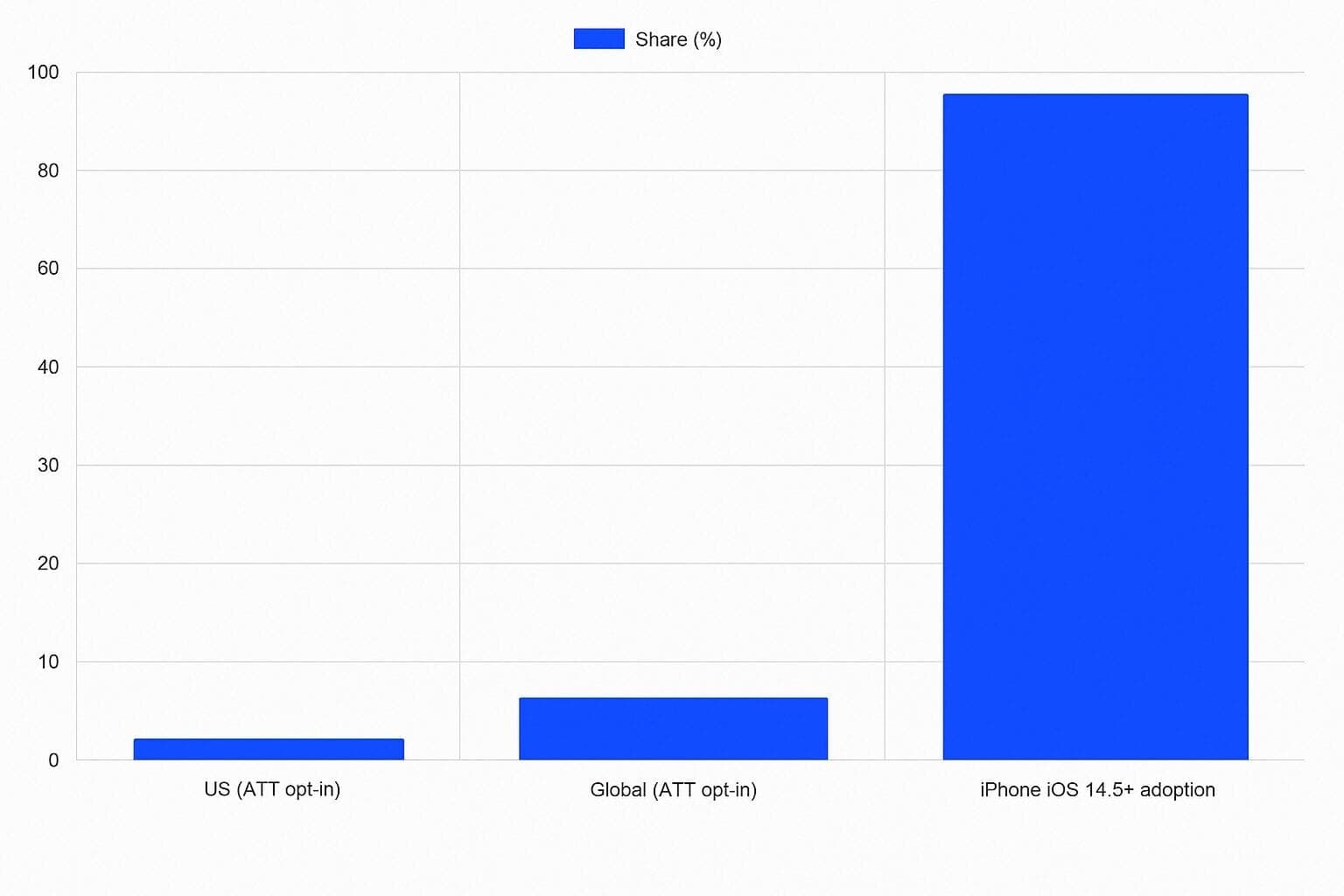
Policy updates are a constant variable in paid media. They change what you can target, what the platform can learn from, and what you can reliably measure. The question is not if they matter. It is how fast you can absorb the change and keep CPA control and volume stability.
When platforms adjust rules on data use, ad content, measurement, or enforcement, performance impact shows up as CPM inflation, learning resets, creative rejections, or softer conversion tracking. It can look random in the dashboard. It is usually traceable to what the platform can optimize for and what your account is allowed to run.
This breaks down how policy updates hit media buying performance, how to isolate root cause quickly, and what to operationalize so policy volatility becomes manageable inside your iteration cycles.
Why policy updates move performance metrics
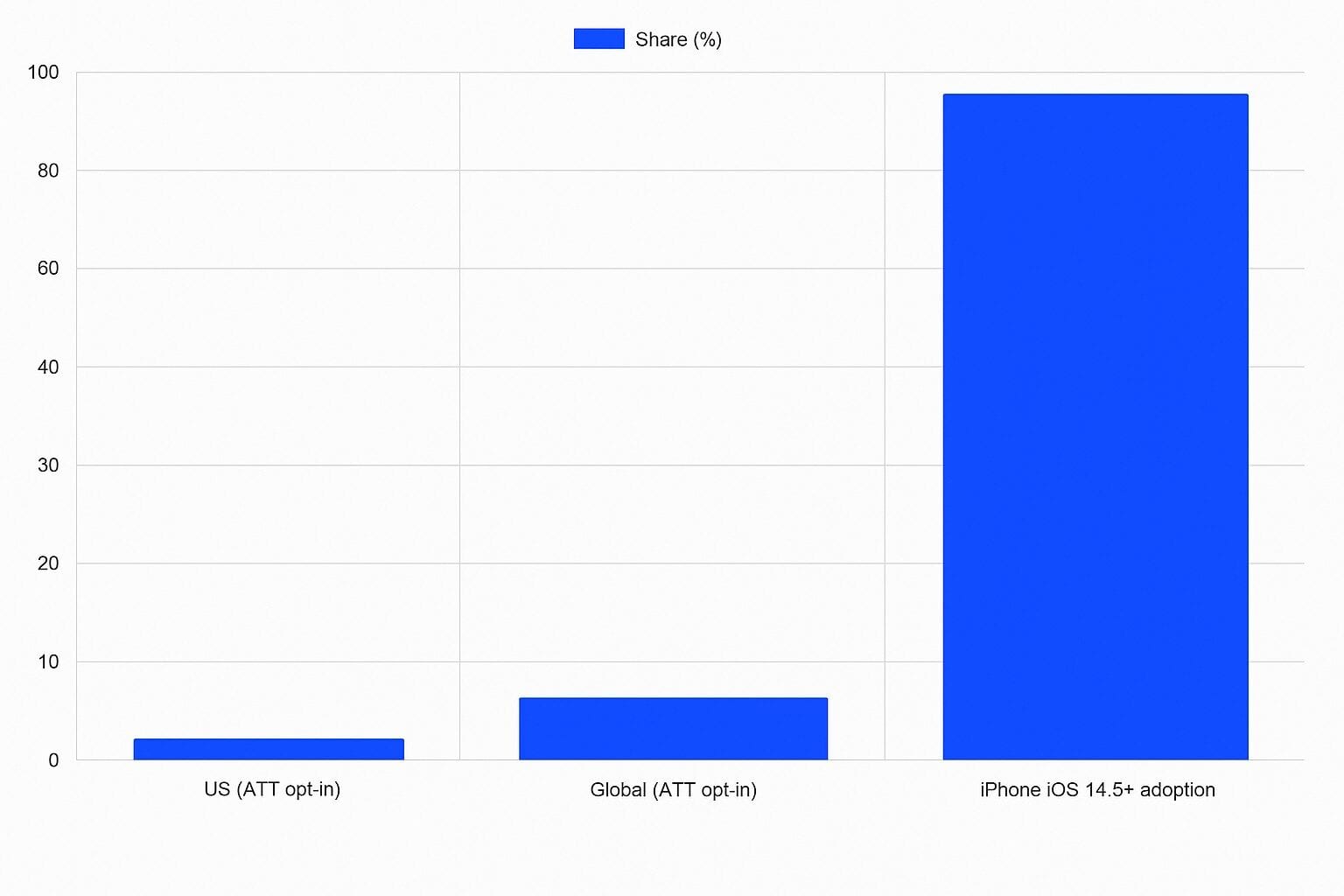
Policy updates do not just affect compliance. They change the optimization feedback loop. That shifts who sees ads, how fast campaigns learn, and how clean attribution looks. In practice, policy changes hit three levers: data availability, targeting constraints, and ad eligibility.
When a platform tightens rules around personal data or sensitive categories, high intent segments often shrink, match quality drops, and you hit scaling constraints sooner. When measurement policies evolve, attribution windows and event prioritization can change, so reported ROAS can fall even if backend revenue holds. When enforcement tightens, previously approved creatives can start getting disapprovals or limited delivery. That forces the system back into learning and increases CPA volatility.
The core issue is signal decay and validation. Policy updates reduce what the platform can infer about intent and what it can confidently attribute. If your strategy is narrow targeting plus fragile tracking, attribution noise will spike and performance will swing harder.
How to operationalize policy changes in day to day buying
Strong teams treat policy updates as ongoing operations, not a one time compliance pass. The goal is early detection, tight diagnosis, and controlled edits that protect budget allocation and testing velocity.
A practical response workflow for policy driven volatility
- Map dependencies by channel: document what each platform relies on (pixel events, offline conversions, catalog feeds, landing pages, and claims). You cannot fix what you cannot see, and policy shifts usually break hidden dependencies first.
- Implement a change log: track policy notices, disapproval patterns, account warnings, and major campaign edits in one place. This lets you correlate swings to platform changes instead of guessing.
- Audit tracking and event quality weekly: verify prioritized events, deduplication, consent states, and server side coverage. Measurement policy updates often reduce signal. You need redundant, high quality events for stable optimization.
- Create compliance safe creative variants: keep a library of approved angles and templates. When enforcement tightens, you swap creatives without stalling the roadmap or losing testing velocity.
- Stress test audiences: keep a split between broad, interest based, and owned data segments. This reduces reliance on any single targeting method that could be restricted.
To confirm a policy update is the driver, compare platform metrics (impressions, CPM, CTR, conversion rate) against site analytics and backend revenue. If reported conversions drop while revenue holds, it is usually measurement. If CPM rises and CTR falls at the same time, you are likely dealing with delivery restrictions, reduced audience match, or eligibility limits.
Actionable insight: separate “reporting ROAS” from “business ROAS” with a simple reconciliation view. If you optimize only on platform reported outcomes during attribution shifts, budget allocation will drift and you will cut spend in the wrong places.
Risks and mistakes that amplify the damage
Most post policy performance drops get worse because teams thrash. Too many edits at once resets learning, kills comparability, and slows recovery. You lose the ability to isolate cause and effect, and CPA control gets harder.
Common mistakes include ignoring early warnings, over indexing on a single channel, and running creative too close to policy boundaries. Repeated disapprovals can hurt account reputation, limit delivery, or trigger heavier review. That can depress performance for weeks and accelerate creative fatigue due to forced swaps.
- Over editing campaigns during volatility: changing bids, budgets, targeting, and creatives simultaneously makes diagnosis impossible and can prolong the learning phase.
- Assuming a disapproval is final: many flags are automated or contextual. Clean edits plus appeals often restore delivery without rebuilds.
- Relying on one conversion event: if a policy update reduces that event’s reliability, the whole optimization stack weakens. Maintain multiple quality events aligned to the funnel.
- Using risky claims in ads and landing pages: compliance is end to end. Even if the ad passes, the landing page can trigger rejection or later delivery limits.
Actionable insight: set a “minimum viable edit” rule when performance drops. Ship one controlled change per 24 to 48 hours and annotate it. This keeps learning more stable and gives you clean reads on what fixed the issue.
Actionable insight: build a policy safe messaging matrix that pairs allowable claims with proof points (testimonials, disclaimers, pricing clarity, or product specs). This reduces creative downtime and keeps iteration cycles moving when rules tighten.
Advanced ways to protect and improve performance over time
The durable play is making your system less dependent on any single signal source or targeting feature. That means stronger owned data, higher conversion quality, and campaign structures that can perform under broader targeting and noisier measurement.
Actionable insight: invest in owned data audiences (email and CRM lists, buyer segments, lifecycle stages) and refresh them frequently. Policy updates tend to reduce third party signal. Authenticated relationships stay usable.
Actionable insight: adopt server side tracking and consistent consent handling where appropriate. This retains more high integrity events and reduces loss when browser or platform rules limit client side tracking.
Actionable insight: optimize for conversion quality, not just volume. Send the platform higher value signals (qualified leads, purchases above a threshold, subscription starts) so bidding stays efficient even when attribution gets less precise.
Actionable insight: use incrementality checks (geo splits, holdouts, or time based tests) for major budget decisions. When policy shifts distort attribution, incrementality is the cleanest read on true lift.
- Maintain channel diversification: balance spend across platforms with different policy exposure so one update cannot derail total pipeline.
- Design broad first structures: keep a portion of budget in broad or lightly constrained ad sets to reduce dependence on restricted targeting options.
- Track leading indicators: watch CPM, frequency, placement distribution, and first click engagement so you spot delivery issues before CPA spikes.
- Build a compliance review cadence: monthly landing page, creative, and offer audits prevent slow drift into risky territory that triggers enforcement later.
- Document appeal playbooks: standardize what evidence to provide, what edits to make, and how to escalate so disapprovals do not stall growth.
The long term target is predictable performance under changing rules. If campaigns can learn from multiple events, audiences refresh from owned data, and reporting reconciles attribution shifts, policy updates become a manageable variable instead of a recurring fire drill.
Policy updates will keep reshaping targeting, measurement, and enforcement across major platforms. Performance improves when you treat these updates as operational inputs, respond with controlled experiments, and build tracking and creative systems designed for resilience.
If you want help auditing exposure, strengthening tracking and conversion quality, and building a policy resilient media buying system, Contact us