
How Ad Platforms Vet Advertisers Before You Launch
How ad platforms vet advertisers before launch. Key trust checks, common holds, and a pre launch readiness checklist to protect approvals, spend, and CPA.
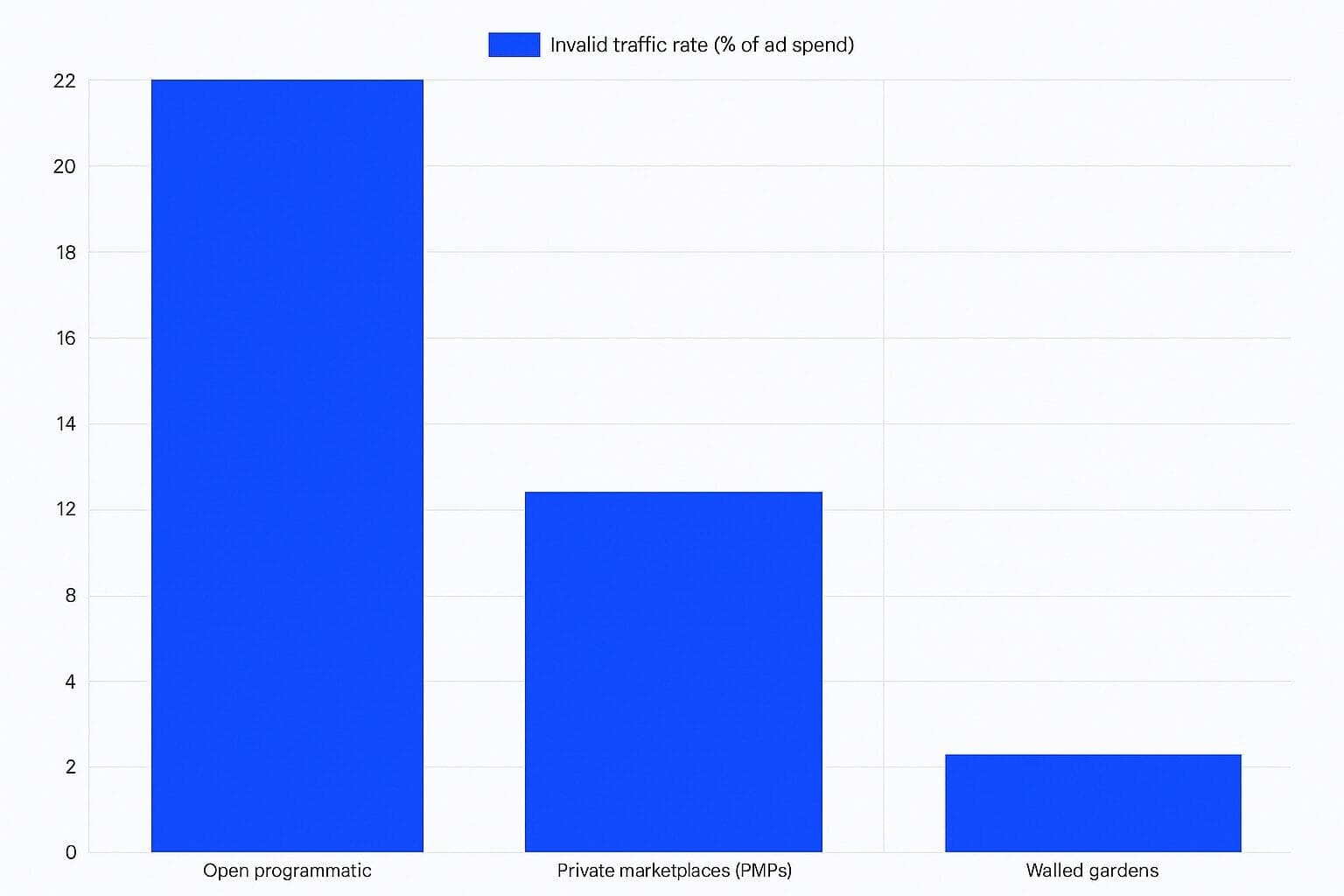
Before an ad ever enters an auction, platforms run checks on the advertiser, the business, and the after the click experience. This pre launch review reduces fraud, protects users, and keeps inventory clean, but it also creates real constraints when you are trying to ramp testing velocity.
Knowing how platforms score you before day one helps you avoid preventable holds like identity verification, restricted delivery, or account level enforcement that kills volume stability. It also explains why two accounts can run similar creative and still see very different approval speed, CPMs, and spend caps based on trust signals outside the ad.
This article breaks down the common evaluation systems, what they look for, and the steps that keep your launch plan intact across channels.
Why pre launch evaluation matters more than your first campaign
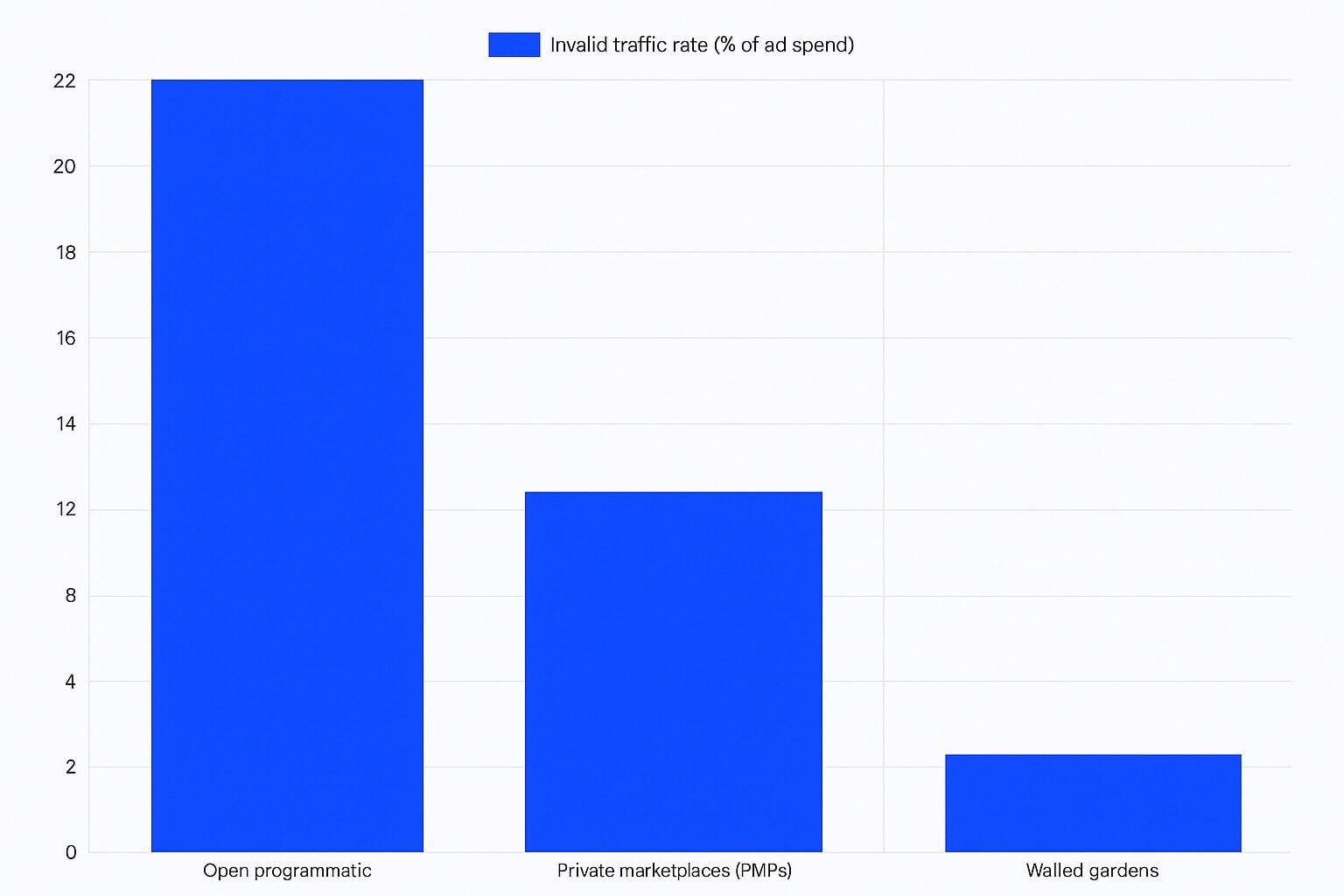
Platform review systems are built around risk scoring. Before you have performance data, the system estimates the likelihood you will create user harm or policy violations. That score impacts identity verification requests, eligibility for certain objectives, and how aggressively your ads and landing pages get reviewed.
Pre launch evaluation hits even when creative is compliant. A new account in a sensitive category, sending traffic to a thin page, or running with mismatched business identity can trigger restricted delivery. In practice that means slower approvals, less reach, and noisier attribution right when you need clean signal to get CPA control.
The upside is most checks are predictable. If your identity, technical setup, and site experience look like a real operator, you reduce review delays and start with better trust signals that support faster iteration cycles.
How platforms evaluate advertisers before launch
Each platform differs, but the pattern is consistent. Automated systems and manual review look at account integrity, business identity, payment legitimacy, and what the user sees after the click. You are being scored on whether you can be identified, whether you can pay, and whether the destination is safe and consistent.
A practical pre launch readiness checklist
Use the steps below before you submit your first ad. Each item maps to common review triggers that slow spend, cap budgets, or destabilize delivery.
- Verify your business identity early: complete advertiser verification, business verification, and domain verification where available. Verified entities usually see fewer integrity holds and unlock more features.
- Match billing details to legal identity: keep the payment method, billing address, and business name consistent. Mismatches look like fraud and can trigger payment risk flags or sudden spending limits.
- Align domain, brand, and ad account signals: use the same brand name across your website, social profiles, and ad account. This closes trust gaps and helps reviewers connect the advertiser to the destination.
- Harden your landing page experience: include clear contact information, refund and shipping policies where applicable, and transparent product claims. Landing page quality is a major predictor of user harm and a hidden scaling constraint.
- Reduce first click surprises: make sure the ad promise matches the page headline, offer, and pricing. Mismatch is a common cause of misleading content disapprovals and learning resets.
- Prepare for policy sensitive categories: if you are in finance, health, housing, or employment, review category rules and required disclosures. Many platforms apply stricter scrutiny and require pre authorization.
Use a simple gut check. If you were the reviewer, could you quickly identify who is paying and what the user will experience after the click. If either answer is unclear, expect more friction, slower approvals, and weaker early delivery.
Risks and common mistakes that trigger extra scrutiny
Most issues come from credibility gaps, not obvious policy violations. A compliant ad is not enough. Platforms judge destination risk and advertiser trustworthiness, and those can override creative quality and add scaling constraints fast.
Watch for these high impact mistakes and the consequences they create for budget allocation and volume stability:
- Launching with a new domain and no history: new domains are higher risk, especially with aggressive offers. Mitigation: publish foundational pages, keep branding consistent, and avoid extreme claim language at launch.
- Thin or incomplete business information: missing address, support channels, or policies signals a low quality merchant. Consequence: account holds or repeated rejections due to untrustworthy destinations.
- Over promising results: exaggerated claims, unrealistic timelines, or before and after messaging can trip deceptive content policies. Consequence: rejections, learning delays, and potential account suspension if repeated.
- Inconsistent identity across assets: different brand names on the site, checkout, and ad account can look like cloaking or misrepresentation. Consequence: manual reviews and lower trust scoring that slows approvals.
- Broken tracking or redirects: unstable redirects, multiple hops, or mobile page errors are often interpreted as risky behavior. Consequence: disapprovals tied to destination not functioning or attempting to evade review.
One critical warning. Do not test borderline creatives in your first week. Early violations set a negative baseline that increases scrutiny and slows future approvals even after you clean everything up.
How to build advertiser trust and scale approvals over time
Pre launch evaluation is not a one time gate. Platforms continuously reassess you based on behavior, user feedback, chargebacks, and consistency. The goal is to build an operating rhythm that protects platform trust while you scale and manage signal decay.
These actions improve reliability and reduce enforcement risk while keeping iteration cycles moving:
- Start with conservative claims and expand gradually: lead with clear, verifiable statements and strengthen angles after you see consistent approvals. Early stability improves your enforcement track record.
- Standardize compliance reviews internally: run a pre flight checklist for copy, creative, and landing pages. Consistent QA prevents repeat mistakes that trigger stricter reviews and reduce testing velocity.
- Segment risk by campaign: isolate sensitive messaging, new offers, or new landing pages in separate campaigns and budgets. If something is flagged, you limit blast radius and protect the rest of the account.
- Invest in durable landing pages: build evergreen pages with transparent policies, clear value props, and fast load times. A strong destination reduces review friction and supports steadier conversion rates.
- Document your claims and substantiation: keep proof for performance statements, testimonials, and pricing. If a platform asks, fast responses reduce downtime and keep spend stable.
Track disapproval patterns like you track creative fatigue. If rejections cluster around the same theme, fix the system, not the single ad. Updating templates, disclaimers, and page structure usually restores approval speed faster than endless rewrites.
Platforms vet advertisers before launch to protect users, but the process is navigable if you focus on identity consistency, payment legitimacy, a transparent after the click experience, and disciplined early compliance. Do that and you will see fewer delays, cleaner learning, and fewer scaling constraints.
If you want a second set of eyes on your pre launch setup, policy risk, or landing page credibility signals, Contact us