
Hidden Signals Ad Platforms Use to Trust Your Account
Hidden trust signals platforms watch: verification, billing stability, domain consistency, admin hygiene, and after click quality to protect delivery and scale.
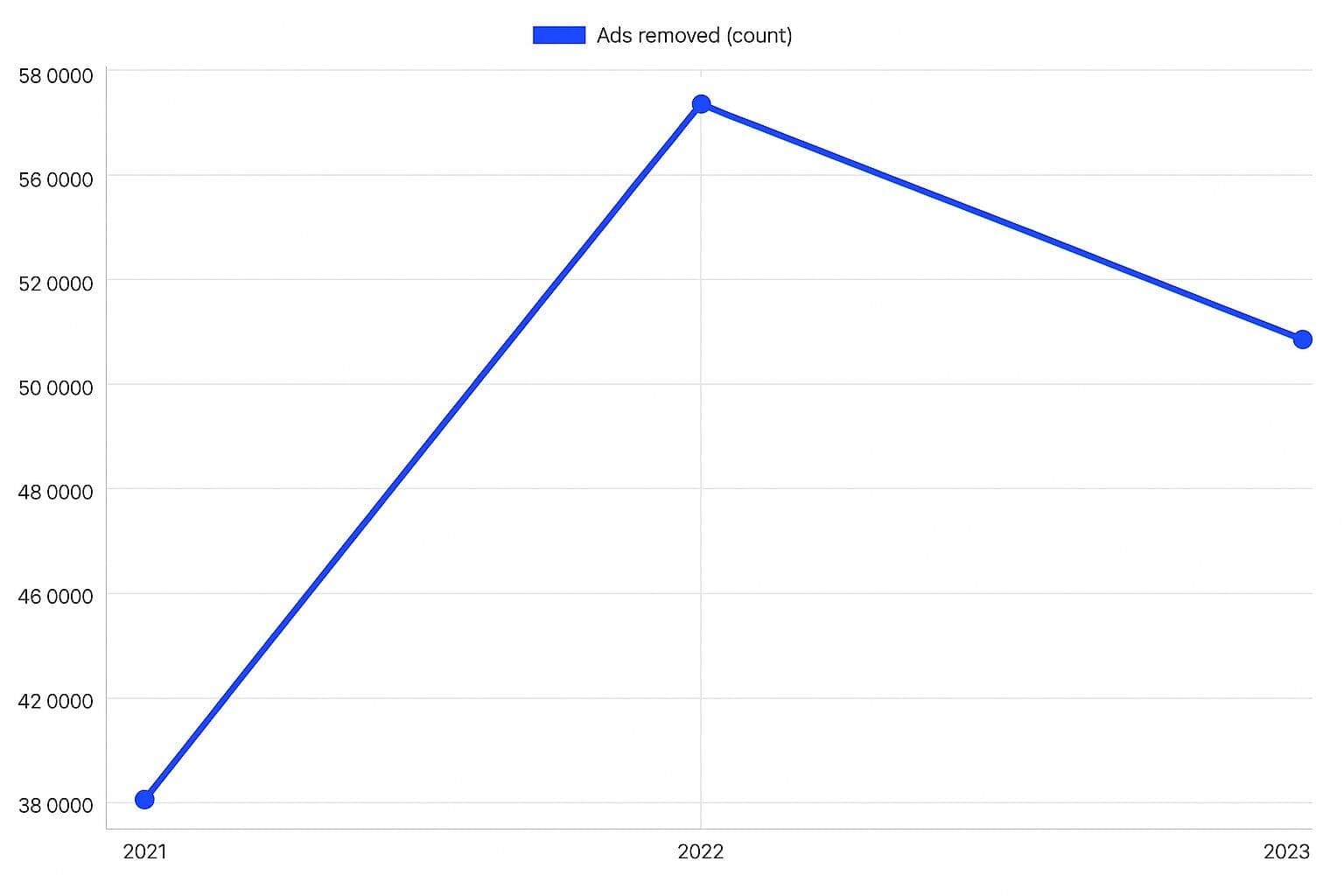
Ad platforms rarely explain why one account gets stable delivery, higher spend headroom, and fewer policy interruptions while another lives in learning resets and reviews. In practice, most networks run continuous risk scoring on policy compliance, business legitimacy, and behavior patterns that map to low risk advertisers.
These hidden signals ad platforms use to trust your account affect time to serve, budget allocation when you raise caps, and how hard the system pushes volume without blowing out CPA. If your footprint reads consistent, verifiable, and predictable, you usually get more room to run and less friction in iteration cycles.
The upside is you can control a lot of it. Tighten documentation, reduce volatility, and align funnel reality with policy expectations so scale does not collapse the moment you increase testing velocity.
Why account trust directly impacts delivery and scale
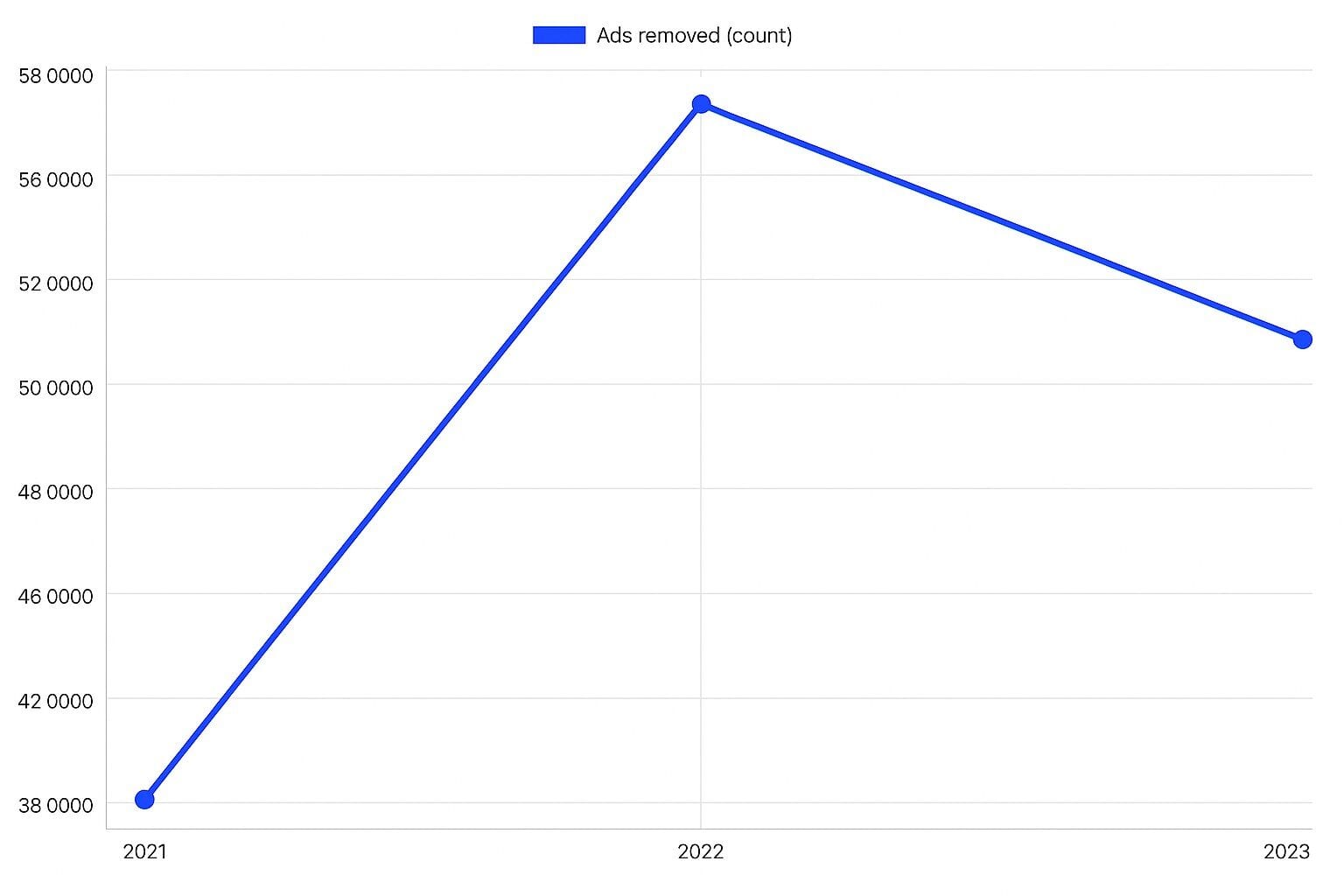
Modern ad networks operate like risk engines. They protect users, block fraud, and reduce regulatory exposure, so they evaluate advertisers continuously. When your account earns platform trust, approvals speed up, learning stabilizes, and reach is more consistent. When trust drops, distribution gets throttled, review cycles lengthen, and CPM can climb even with the same creative and audiences.
Trust is not one visible score. It is inferred from signals like identity verification, payment reliability, and business consistency, plus what happens after the click. Even compliant ads can get less delivery if the account pattern resembles abuse or evasion.
Think of two layers. Policy compliance means you are allowed to advertise. Risk confidence means the platform expects you to keep operating safely. Scaling constraints show up fast when either layer is weak.
How trust signals work in practice (and what to do)
Platforms blend account history with campaign behavior. You can have one strong ad set, but if the account shows billing issues, identity churn, or constant structural edits, the system treats you as higher risk. The operational goal is predictability so delivery stays steady while you test and rotate creatives.
A practical trust checklist you can implement this week
- Complete all available verification steps (business, domain, identity) and keep details consistent across profiles. Mismatched entities are an easy risk flag and often trigger manual review.
- Stabilize billing by using a reliable payment method, avoiding repeated declines, and matching billing country to your business footprint. Payment failures look like fraud, chargeback risk, or account takeover.
- Align your domain and tracking by using the same verified domain across ads, landing pages, and tracking links. Frequent domain hopping reads like evasion and can reduce trust even when pages are compliant.
- Reduce sudden account changes such as rapid business name edits, admin churn, or frequent pixel swaps. These patterns resemble compromised accounts and can slow delivery or trigger reviews.
- Improve post click experience with fast load speed, clear navigation, and transparent pricing and policies. Bad experiences raise user feedback risk and suppress reach through quality systems.
To judge impact, watch operational signals. Faster approvals, fewer disapprovals on similar creatives, improved impression share at the same bids, and fewer limited delivery warnings usually indicate better account health and less signal decay during scaling.
Common mistakes that silently reduce trust
Many buyers focus on creative and targeting, then performance breaks after a budget increase or new offer launch. Often the issue is operational patterns that read unsafe to automated systems, even when ads are within policy.
The big culprit is volatility. Aggressive daily budget swings, constant creative swaps across many ad sets, or rapid landing page edits can look like manipulation. Another is inconsistent business signals, such as multiple brands pushed from one account without clear separation, or funnels that do not match the ad promise. Both amplify attribution noise and make optimization unstable.
Watch especially for these trust killers:
- Repeated disapprovals followed by minor edits and resubmissions. This looks like policy probing and increases scrutiny over time.
- Bridge pages that redirect immediately or hide key information. Platforms associate these with circumvention and low transparency.
- Unclear legitimacy signals such as missing contact info, no refund policy, or mismatched legal entity details. This reduces confidence in advertiser accountability.
- Overly aggressive claims (especially around health, finance, or guaranteed results). Even when not explicitly banned, they increase complaint risk and can throttle delivery.
- Admin and access sprawl with too many users, frequent role changes, or logins from unusual locations. This triggers account integrity systems designed to stop hijacks.
The outcome is usually not a ban. More often it is delivery suppression, longer review cycles, limited audience reach, or unstable learning that makes CPA control and budget expansion feel impossible.
Advanced ways to increase trust and scale safely
Once fundamentals are clean, you can build a trust profile that supports larger budgets and faster launch cadence. The objective is to operate like a long term business account, not a short term burst account.
Design for consistency and traceability. Keep a stable operating rhythm, document what changes and why, and treat compliance as a performance input. When you need to test bolder angles, isolate risk with controlled experiments instead of sweeping edits that reset learning and disrupt volume stability.
- Scale in steps, not spikes: increase budgets gradually and monitor approval time and CPM volatility. Smooth scaling reads predictable and lowers the chance of risk reclassification.
- Standardize landing page components: keep a consistent footer with business details, policies, and contact options across funnels. This strengthens legitimacy signals and reduces review friction.
- Build a clean creative governance process: pre check claims, before and after visuals, and sensitive attributes. Fewer violations improve long run policy reputation.
- Segment brands and offers properly: when multiple products exist, maintain clear brand identity and message match between ad and page. Confusing brand signals can look like misrepresentation.
- Use event tracking responsibly: avoid unnecessary pixel changes and keep conversion events stable. Stable measurement reduces learning resets and supports consistent optimization.
- Monitor user sentiment: track refund rates, chargebacks, and support tickets by campaign. High friction after the click often feeds back into platform quality systems.
A simple north star is low surprises. Low surprises for users, for the platform, and for your measurement. That is what earns the kind of trust that keeps scaling from getting fragile.
Platforms keep parts of trust systems opaque, but the patterns repeat. Verified identity, reliable payments, transparent landing pages, stable operations, and strong user experience. Treat trust signals like an asset and you usually get smoother approvals, steadier delivery, and more predictable scaling.
When you are ready to strengthen your account trust signals, reduce policy risk, and scale with fewer interruptions, Contact us