
Future of Affiliate Offers on Major Ad Platforms
Media buyer view on affiliate offers: approvals, compliance, signal quality, attribution noise, and scaling constraints across major ad platforms.
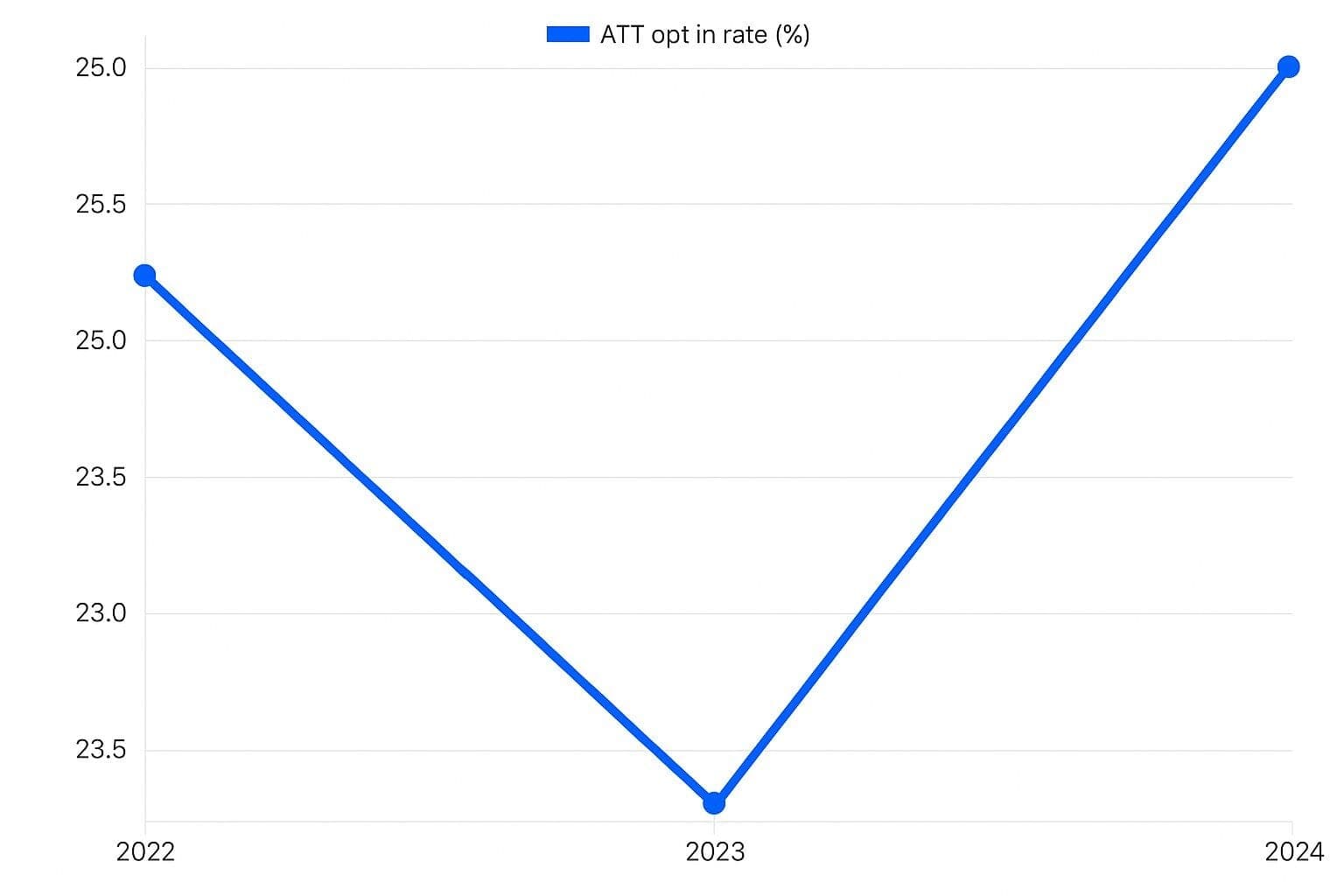
The future of affiliate offers on major ad platforms is being reshaped by stricter policies, privacy changes, and smarter automation. What used to scale with broad targeting and aggressive pre sell pages now runs into tighter reviews, stricter disclosures, and higher expectations for the full funnel.
This is not a dead end for affiliates. It is a quality filter. The teams that keep CPA control and volume stability are treating affiliate campaigns like real brands: they prioritize compliance, build trust signals, and keep the path from click to conversion clean and measurable. The upside is still there for offers that reduce platform risk and maintain user satisfaction signals.
Measurement is also shifting under your feet, which changes how you pick offers, structure funnels, and run iteration cycles. Understanding what platforms reward, and what triggers enforcement, is now part of daily buying ops.
Why affiliate offers are changing on major ad platforms
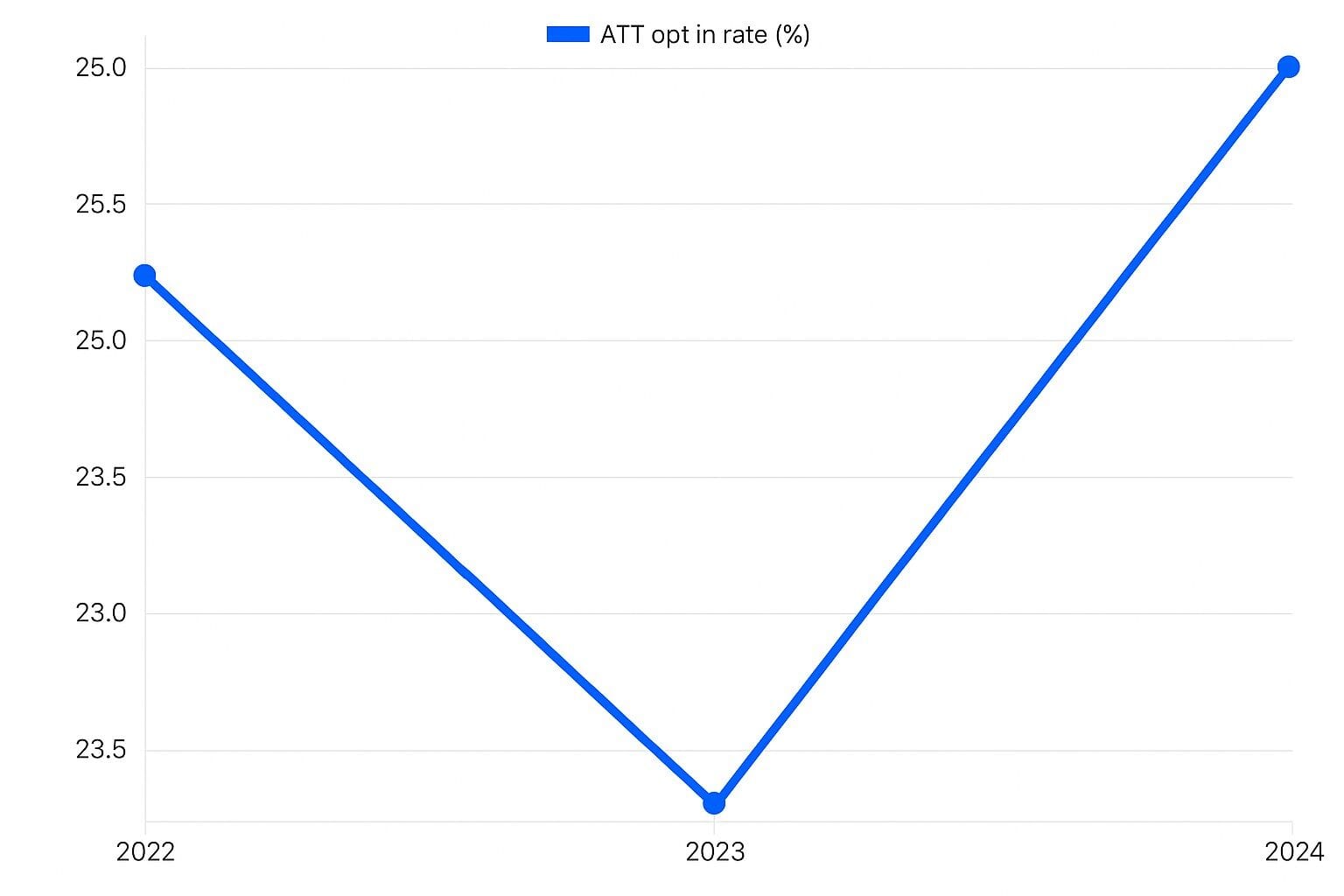
Platforms are tightening control because misleading claims and low quality experiences create advertiser churn and regulatory exposure. The review layer is heavier, and the offer is judged on the end to end user experience, not just the front end conversion rate.
Privacy changes increase attribution noise and accelerate signal decay. With less deterministic user level data, platforms lean on modeled signals and owned inputs. If your event setup is sloppy, the algorithm optimizes toward the wrong pockets, then CPA swings and delivery becomes unstable. Clean events and tight funnel continuity matter more than niche tricks.
Automation is improving, which raises the floor and removes shortcuts. The offers that keep scaling constraints manageable are the ones with clear positioning, accurate claims, and stable conversion paths that survive both automated checks and manual review. Think of it as policy aligned performance.
How to run affiliate offers successfully in practice
Running affiliate offers on major ad platforms now looks like a controlled direct response program with governance. You need a repeatable workflow for offer selection, compliance validation, and feeding the algorithm clean signals. The goal is predictable approvals and scalable performance, not a one week spike that collapses on the first re review.
A practical checklist for offer selection and launch
- Pre qualify the offer: Review the niche and the advertiser’s public reputation, then confirm the offer allows paid social or search. This matters because the platform will price account risk into delivery, especially in sensitive categories.
- Map claims to proof: Ensure every performance claim has a substantiation path on the page, in disclosures, or in the advertiser’s materials. This lowers disapprovals and reduces the odds of post launch enforcement.
- Build a compliant funnel: Add clear pricing, refund terms, contact details, and privacy disclosures. These trust signals impact approval stability and also reduce refund driven volatility later.
- Instrument owned measurement: Set up server side or enhanced conversions where possible, validate events, and dedupe. Better signals improve learning and reduce budget waste when cookies are limited.
- Launch with controlled testing: Start with smaller budgets and fewer variables. Early negative feedback, low quality scores, or policy flags can cap delivery before you have enough data for confident budget allocation.
To improve approval rates and keep testing velocity high, align ad copy tightly with what a user sees immediately after the click. If the ad implies a specific outcome, the landing page needs the same context and qualifiers up front. That reduces misleading content risk and avoids engagement drops that throttle delivery.
Risks and mistakes that will get affiliate campaigns restricted
As enforcement becomes more automated, most restrictions come from patterns across ads, pages, and accounts. You can be profitable and still trip the system if the funnel looks like a repeat offender.
Overpromising results is the fastest path to disapprovals, especially in health, finance, and self improvement. Even if the network provides compliant angles, your creative can cross the line if it implies guaranteed outcomes or unrealistic timelines. Review headlines and visuals using a reasonable consumer standard, and assume reviewers will not grant nuance.
Thin landing pages are another major risk. Pages that function as a bridge to another site, without meaningful content, support details, or transparency, often trigger low quality or circumventing systems decisions. The fix is straightforward: add informational depth, clear navigation cues, and visible business details so the page stands on its own.
Measurement shortcuts also create problems. If tracking is unreliable, or you fire conversion events too early, you corrupt the learning signal. That shows up as poor traffic quality, unstable CPAs, and eventually a funnel that looks deceptive in review. Treat event integrity as a compliance item, not just analytics.
Optimization strategies for the next phase of platform evolution
To keep scaling as platforms change, optimize for durable assets and tight feedback loops. That means systems that can absorb policy updates, tracking constraints, and creative fatigue without your CPA blowing out. The most consistent programs focus on creative testing, owned data, and offer governance.
- Design creatives for transparency: Use clear qualifiers, avoid exaggerated before and after implications where restricted, and match visuals to the landing page promise. This supports approval stability and reduces drop off after the click.
- Optimize for higher quality events: Where possible, optimize toward confirmed purchases or qualified leads, not shallow events. Modeled attribution holds up better when the conversion signal is strong.
- Build a compliance change log: Track what copy, angles, and page elements were approved, and what triggered rejections. This turns enforcement into a process improvement loop and prevents repeat issues across accounts.
- Segment by intent, not just demographics: Use keyword themes, content alignment, and funnel stages to separate cold, warm, and brand aware traffic. This improves efficiency when audience targeting is broader and less deterministic.
- Negotiate better offer terms using data: Bring evidence of lead quality, refund rates, and LTV to the advertiser or network. Better terms protect margin and let you bid without pushing risky angles.
Another lever is a lightweight brand layer around the affiliate funnel. Even if you are not the merchant, you can run a consistent identity, helpful content, and responsive support pathways. This reduces platform risk signals and can improve conversion rate under audience saturation.
Scaling should be treated like engineering. Increase budgets only when tracking is stable, creatives are rotating, and the offer has predictable refund and chargeback behavior. Platforms read post purchase satisfaction signals indirectly through feedback, disputes, and engagement patterns, so long run volume stability is about more than reported ROAS.
The future of affiliate offers on major ad platforms will reward buyers who pair performance skills with operational discipline. If you can select platform safe offers, build transparent funnels, and feed clean conversion data into automated systems, you can scale while others churn through accounts and inconsistent delivery.
Affiliates are not being pushed out. The ecosystem is maturing. Strong compliance, better measurement, and user first experiences are now compounding advantages across iteration cycles.
If you want help designing compliant funnels, tightening measurement, or selecting scalable affiliate offers for major ad platforms, Contact us