
Future of Ad Account Agencies in an AI Driven Ecosystem
How ad account agencies stay profitable with automation: clean signals, compliance, testing velocity, CPA guardrails, and measurement you can trust.
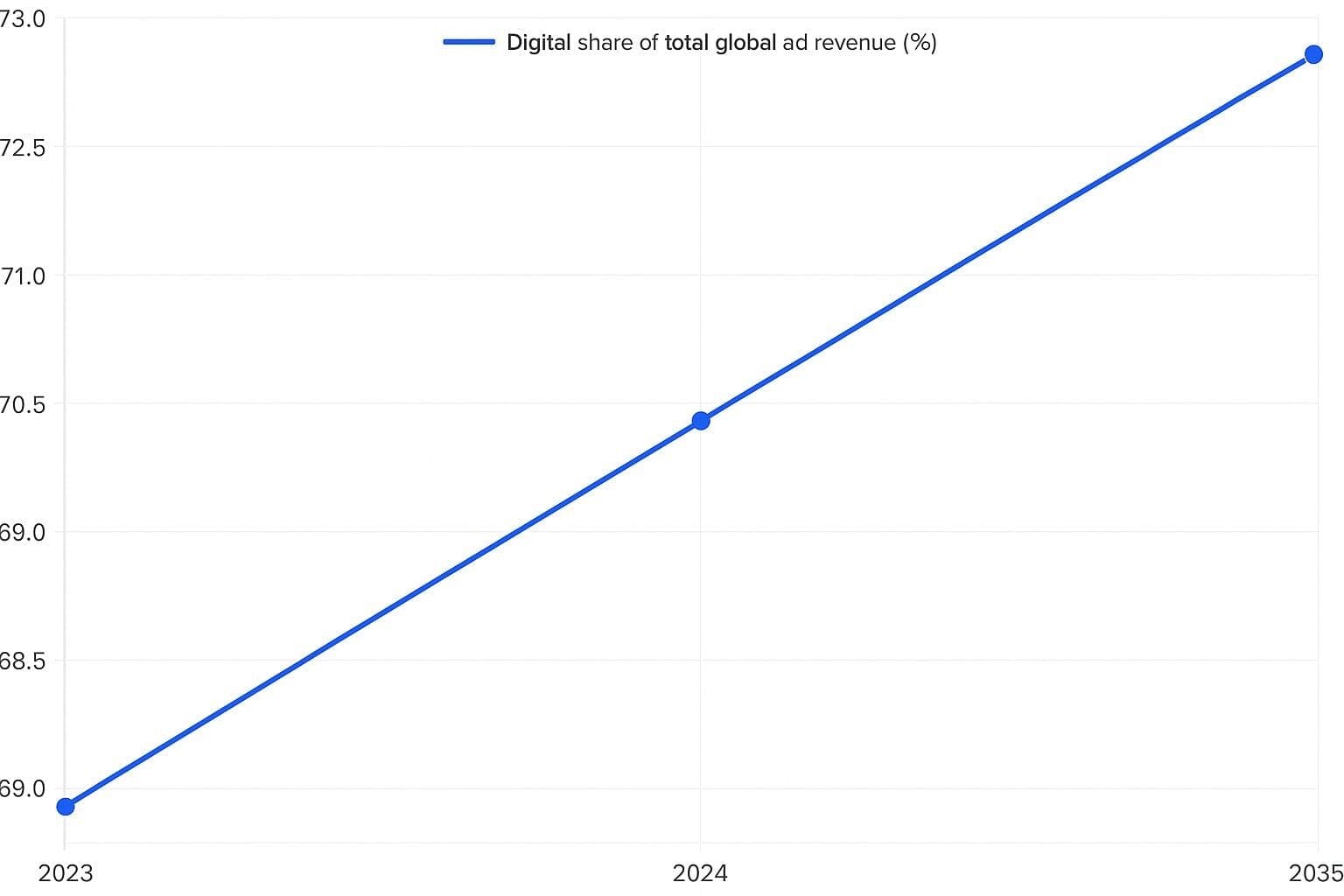
Ad account agencies are moving into an environment where platform rules, enforcement, and performance signals shift faster than most operating models. In an AI driven ecosystem, the agency is not valued for clicking buttons. It is valued for building systems that protect spend, keep accounts live, and convert machine led optimization into margin.
Automation is reshaping targeting, bidding, and creative selection, while also increasing operational risk. More black box delivery, tighter identity and payment enforcement, and more content scrutiny. The agencies that win combine automation with governance, and they can prove reliability across multiple ad accounts, billing setups, and platform risk models.
This shift does not remove the need for agencies. It raises the bar. Brands still need operators who can architect account structure, manage risk, interpret what the system is really doing, and run feedback loops that keep automation profitable instead of volatile.
Why ad account agencies matter more as AI takes over execution
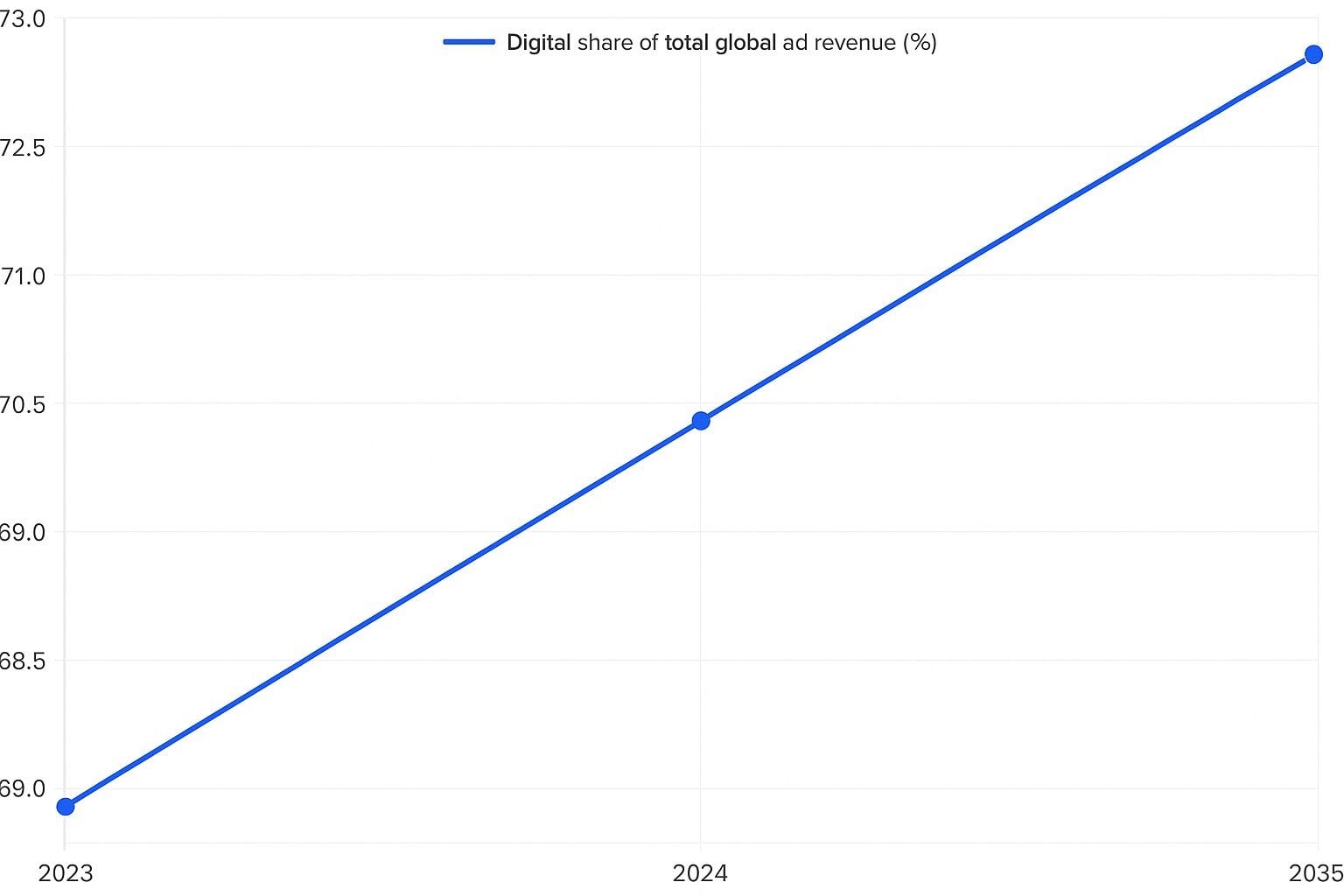
As platforms push auto bidding, broad targeting, and algorithmic creative ranking, execution gets easier to launch and harder to control. That is where high performing ad account agencies earn their keep. They own account integrity, data quality, and decision accountability so the system optimizes toward the right objective.
The real leverage has moved from manual levers to inputs. If the machine makes most delivery choices, agencies win by controlling what the system learns from: conversion signals, creative testing design, and measurement frameworks. They also reduce platform volatility by enforcing policy compliance, stable billing, clean access controls, and consistent operational history across accounts.
In practice, that means answering what automation cannot. Which constraints protect margin and CPA control. Which audience expansion is acceptable before you hit saturation. Which creative angles stay inside brand safety. And how you spot when the system is optimizing for a proxy metric that looks good in platform reporting but fails in business outcomes.
How future ready agencies operate in practice
Modern ad account agencies are hybrid teams: performance engineering, risk management, and creative operations. To keep automation predictable, they run a repeatable operating system that turns business goals into platform consumable inputs, then audit outputs with discipline and tight iteration cycles.
A practical operating checklist for AI driven account management
- Define a single source of truth for conversions: Align CRM, site events, and offline conversions so the platform learns from accurate signals, not duplicated or missing events.
- Standardize account structures and naming: Consistent taxonomy improves troubleshooting speed, enables cross account benchmarking, and reduces human error during high velocity changes.
- Implement pre flight compliance reviews: Validate landing pages, claims, disclaimers, and creative policy fit before launch to prevent avoidable disapprovals and account risk.
- Design experiments, not just tests: Use controlled budgets, defined hypotheses, and holdouts so you can attribute lifts and avoid letting AI “grade its own homework.”
- Build pacing and margin guardrails: Set thresholds for CPA, ROAS, and spend velocity to catch runaway learning phases early and protect profitability.
To judge whether the process is working, track more than top line ROAS. Watch stability indicators: learning resets, disapproval rates, payment failures, sudden CPM spikes, conversion lag, and signal decay. These are leading indicators that the system is losing confidence, attribution noise is increasing, or account level risk is rising.
Risks, mistakes, and limitations in an AI first ad landscape
Automation increases output, but it also increases the cost of bad inputs. The most common failure is treating automation as set and forget. In reality, automation without governance drives volatile performance, unstable volume, unpredictable spend, and account health issues that are slow to unwind.
Another mistake is over optimizing to a single platform metric. If tracking is incomplete, the system will chase low quality conversions, discount buyers, or short term volume that damages lifetime value. Agencies have to treat measurement integrity as a core deliverable, not a cleanup task after scaling.
- Weak tracking and attribution: Missing server side signals or inconsistent event mapping trains the algorithm on noise, causing erratic delivery and wasted budget allocation.
- Creative fatigue masked by automation: The system will keep spending on the least bad ads unless you enforce a refresh cadence and clear creative evaluation criteria.
- Compliance shortcuts: Aggressive claims, unclear pricing, or misleading landing pages can trigger rejections, spend limitations, or account suspension risk.
- Consolidation without segmentation: Combining too many goals or product lines into one campaign can blur signals and reduce the system’s ability to learn efficiently.
- Overreliance on platform reporting: Without independent validation, incrementality and true profitability get overstated, leading to scaling decisions that only work inside the ad manager.
These issues compound fast. One enforcement action can cap spend for weeks, and poor signal quality makes every later optimization less efficient. The agency’s job is to prevent avoidable failures, maintain testing velocity without breaking compliance, and keep recovery playbooks ready when platform behavior shifts.
Optimization and advanced strategies for agencies that want to lead
The agencies that win treat automation as a strong optimizer that still needs boundaries, context, and calibration. Advantage comes from tight feedback loops that connect creative, landing pages, offer strategy, and post purchase data back into the ad system.
Actionable ways to improve outcomes over time include:
- Prioritize signal depth, not just volume: Import qualified conversions (approved leads, repeat buyers, high margin orders) so the system learns what success means for the business.
- Use incrementality methods: Run geo tests, holdouts, or lift studies to confirm gains are real and to avoid budget inflation on non incremental spend.
- Create a creative production engine: Set monthly input targets (concepts, hooks, variations) and evaluate by angle performance, not just format.
- Segment by business constraints: Separate campaigns by margin, inventory availability, or sales cycle length so budget does not get pushed into unscalable pockets.
- Build cross platform resilience: Diversify acquisition so policy changes or auction shocks do not collapse volume, and keep consistent UTMs and analytics across channels.
Operationally, invest in automation that supports humans: anomaly detection for spend and CPA spikes, standardized creative QA, billing and access audits, and documentation that survives team changes and platform rule changes. The goal is predictable scaling built on clean inputs, controlled experiments, and risk aware account management.
In an AI driven ecosystem, the future of ad account agencies is not about fighting automation. It is about shaping it and proving impact with rigorous measurement. Brands will choose partners who protect account health, translate machine decisions into business language, and keep volume stability as platforms evolve.
If you want a partner that treats AI as an advantage while safeguarding compliance, measurement, and scaling discipline, Contact us